
Government focuses on diversifying imports for fertiliser stability
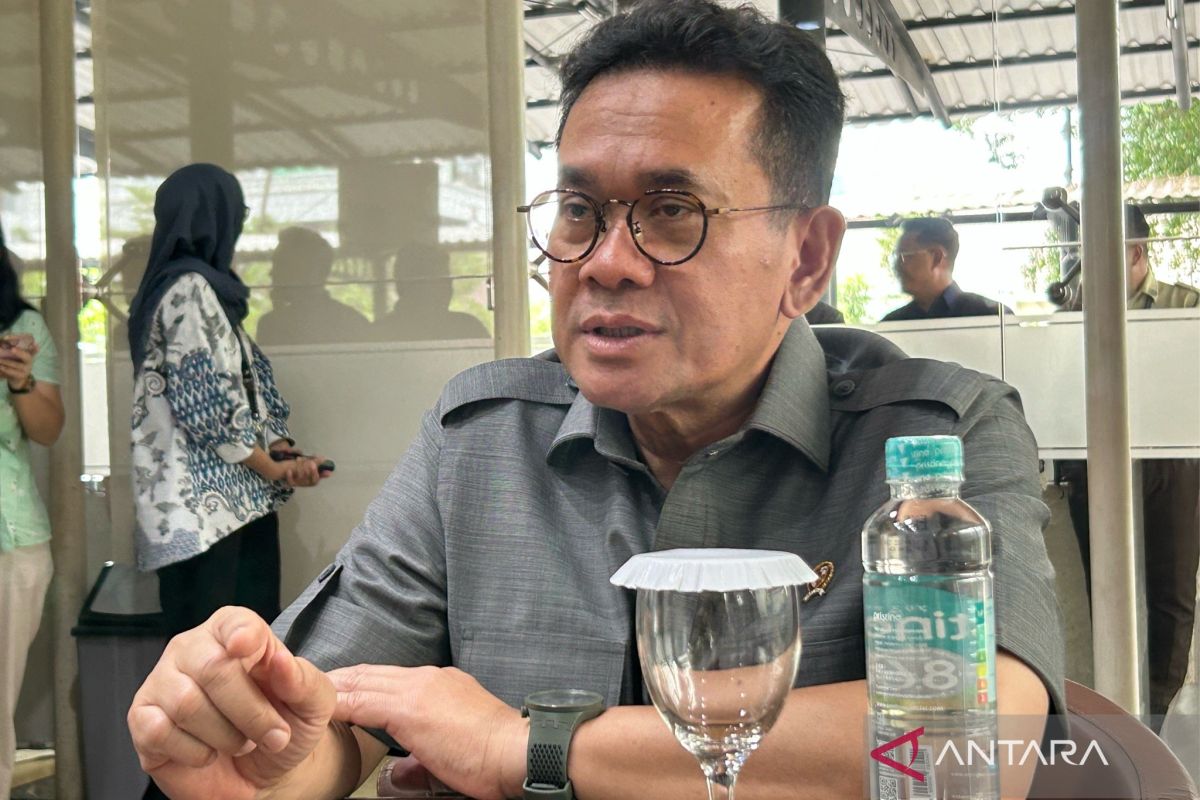
Jakarta (ANTARA) - Minister of Trade Budi Santoso has confirmed that the government has anticipated potential disruptions to the supply of fertiliser raw materials amid global trade dynamics.
Budi stated that the government is focusing on maintaining domestic supply stability through diversifying import sources for raw materials.
“We have anticipated this for raw materials, for example. So, especially for imports, we are looking for alternative markets or goods. We can substitute the goods by sourcing from countries that have them, or the same commodities from other countries,” Budi said in Jakarta on Friday.
According to him, the government has prepared measures to redirect import sources if supply obstacles arise from certain countries.
Historically, Indonesia has imported several strategic commodities, including energy and industrial raw materials, from the Middle East region and Eurasian countries.
For the fertiliser sector, Budi explained that Indonesia has been sourcing supplies from Eastern European and Central Asian countries, such as Kazakhstan and Uzbekistan.
If global distribution disruptions occur, Budi said, those import sources can be shifted to other countries with similar commodities.
“Actually, we import (fertiliser) from Eastern Europe, right? A lot from Kazakhstan, Uzbekistan, Eurasian countries. That’s a lot, and it can be redirected from there,” he clarified.
He added that to date, the government has not received reports of difficulties in supplying fertiliser raw materials from state-owned enterprises (SOEs) operating in the fertiliser sector. This serves as an indicator that supply conditions remain under control.
Nevertheless, Budi emphasised that the government continues to monitor global trade developments, particularly as competition for fertiliser raw materials in the international market becomes increasingly intense.
Budi hopes that diversifying import sources will maintain the stability of national fertiliser availability.
“So far, there hasn’t been any from the SOEs; we haven’t talked to them. That means the SOEs haven’t complained to us,” Budi added.