
Government Expected to Hold Subsidised Fuel Price Hike to Control Inflation
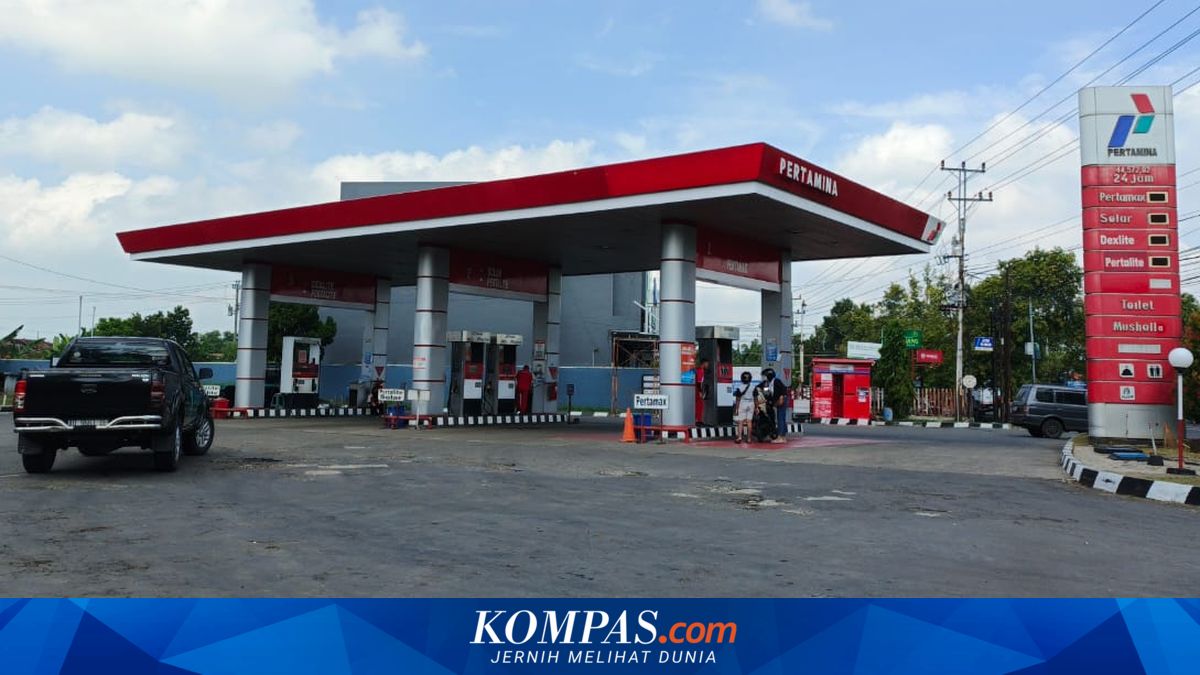
JAKARTA - The intensifying geopolitical situation in the Middle East is pushing up global oil prices, which is affecting fuel price increases in oil-importing countries such as Indonesia.
Member of the House of Representatives Commission VII, Bambang Haryo Soekartono, stated that if Indonesia has adequate fiscal capacity, the government is expected not to raise subsidised fuel prices.
In particular, for the mass public transportation sector such as buses, trucks and trains, passenger sea vessels including ferry crossing passenger transport.
“This is important to prevent inflation and to suppress the economic cost burden on the public due to chain effects or multiplier effects,” said Bambang in an official statement on Tuesday (31/3/2026).
According to him, the government’s step of not raising subsidised fuel prices, especially Pertalite and Solar, amid geopolitical tensions in the Middle East region, can prevent inflation and maintain public purchasing power.
“That policy is the right step to prevent inflation and maintain public purchasing power, so that the 8 percent economic growth target is not hindered,” he said.
The same thing is happening in Brunei Darussalam. That country is maintaining premium prices around 0.53 Brunei dollars or approximately Rp 6,400 per litre, and RON 97 at 0.88 Brunei dollars or equivalent to Rp 10,700 per litre without subsidies.
He assessed that Indonesia, along with Malaysia and Brunei Darussalam as crude oil producing countries, has the capability to maintain domestic energy price stability.
He emphasised the importance of government policy in distributing subsidies in a targeted manner, namely only to public transportation and mass logistics.
Based on BPH Migas data, the use of subsidised fuel in the sea transportation and crossing sectors is only around 1 percent of the total national subsidised solar consumption of 18.8 million kilolitres or equivalent to around Rp 18.8 trillion.
“The portion of subsidised fuel usage by sea transportation and crossing transport is relatively small and does not burden the state, but has a very large impact in preventing logistics cost increases and maintaining inter-island economic stability,” he stressed.