
Government Ensures Standardisation of Hajj Services, From Catering to Hotels in Saudi Arabia
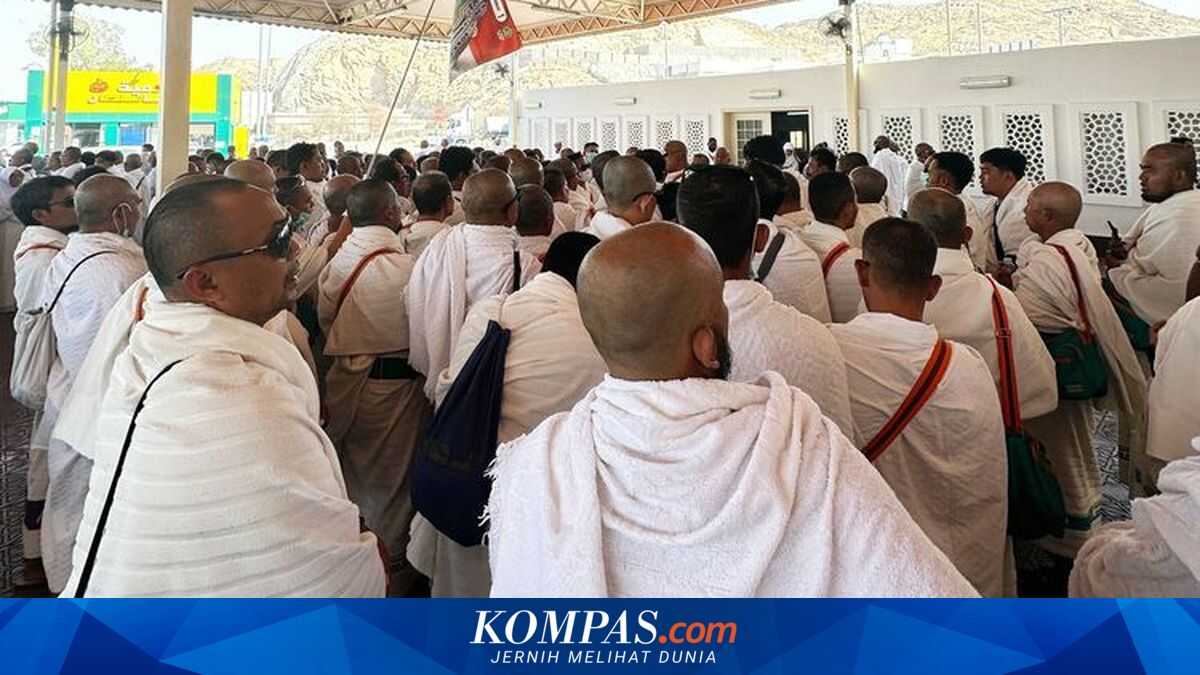
JAKARTA, KOMPAS.com - The Ministry of Hajj and Umrah and the Ministry of Manpower are ensuring the standardisation of Hajj services to ensure this year’s pilgrimage is conducted safely and to a high standard. The standards cover catering, accommodation, transport, and jemaah equipment, both in Saudi Arabia and domestically.
‘Catering for around 221,000 pilgrims must meet the prescribed standards, as must the hotels used, numbering about 275 hotels, as well as transport and other SOPs,’ said the Director-General for the Development of the Hajj and Umrah Economic Ecosystem, Jaenal Effendi, in a statement on Thursday (5/3/2026).
He added that higher standards are also being applied to domestic facilities, including the Hajj dormitories. In addition to services, the Directorate General of Hajj and Umrah Economic Ecosystem Development (Ditjen PE2HU) is also promoting standardisation of various Hajj-related goods with significant economic impact, such as rice, cooking spices, ready-to-eat meals, suitcases, and ihram equipment.
Jaenal noted that President Prabowo Subianto has entrusted the Ministry of Hajj and Umrah to ensure that the expenditure on organising the Hajj pilgrimage provides direct benefits to national business actors. ‘The economic value of Hajj amounts to around IDR 18 trillion. We want to ensure that spending on organising the Hajj does not all flow abroad, but can have a real impact on the domestic economy,’ Jaenal said.
To broaden the economic benefits of Hajj, Ditjen PE2HU is preparing a platform for Hajj souvenir MSMEs. ‘This scheme is expected to reduce pilgrims’ expenditure abroad while improving the competitiveness of domestic SMEs,’ he said.
Separately, the Deputy Minister of Manpower of the Republic of Indonesia, Afriansyah Noor, emphasised that his ministry is working in synergy to improve the quality of Hajj administration. ‘We fully support strengthening standardisation and certification in the administration of Hajj. This is important to ensure service quality, protect pilgrims, and enhance the competencies of the human resources involved, so that the Hajj operation can run more professionally and with higher quality,’ Afriansyah said.