
Government Ensures Continued Presence to Maintain Fuel Subsidy Policy
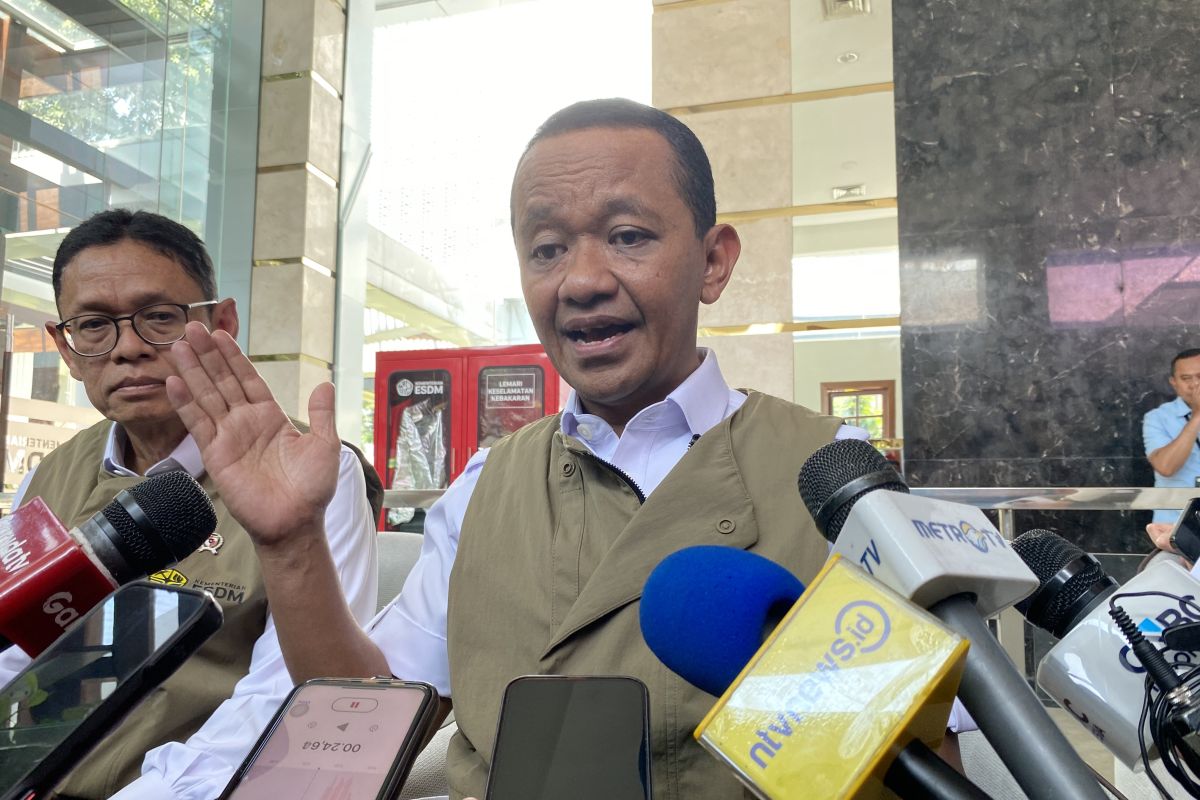
Jakarta — Indonesia’s Minister of Energy and Mineral Resources, Bahlil Lahadalia, has stated that the government will remain committed to maintaining its fuel subsidy policy to ensure citizens are not burdened by rising costs, despite global oil price fluctuations driven by geopolitical developments.
According to Bahlil, national energy supplies, including liquefied petroleum gas (LPG), petrol, and diesel, continue to be safeguarded to prevent shortages. Fuel subsidies will remain under government control through the Lebaran period, with expectations for continued provision thereafter.
“Regarding pricing, the government will continue to provide subsidies. The specific subsidy price will depend on political developments,” he said at the Energy and Mineral Resources Ministry office in Jakarta on Tuesday.
He also referenced current global oil prices, which are hovering around $100 per barrel.
“If prices remain at $100 per barrel, God willing, it will still fall within the state budget framework. We can still manage it. However, this is still under discussion,” he added.
Bahlil further confirmed that national energy availability, including fuel, LPG, and coal for power generation, remains secure through the 2026 Lebaran period. He emphasised that national energy stocks continue to meet minimum safety standards.
“Fuel, LPG, and electricity supplies for Indonesia are all under control. LPG supplies will receive additional shipments at the end of this month, ensuring no issues with public needs ahead of Eid al-Fitr. Coal stocks for state electricity company PLN average 14–15 days, in line with the national minimum standard,” he stated.
When asked about energy availability after Lebaran, Bahlil said the government would conduct evaluations following March.
“What matters is that we can implement solid planning for the short, medium, and long term. Strategies for the post-March period have already been prepared. The most important thing is ensuring stocks remain available to prevent shortages in Indonesia,” he said.
He added that Indonesia is receiving some relief from the open-close policy in the Strait of Hormuz, which permits vessels from countries other than Israel and the United States to resume communications—a development viewed as positive for energy supply stability.