
Government Eager to Build Subsidised Rental Flats in Cities, What Are the Prospects?
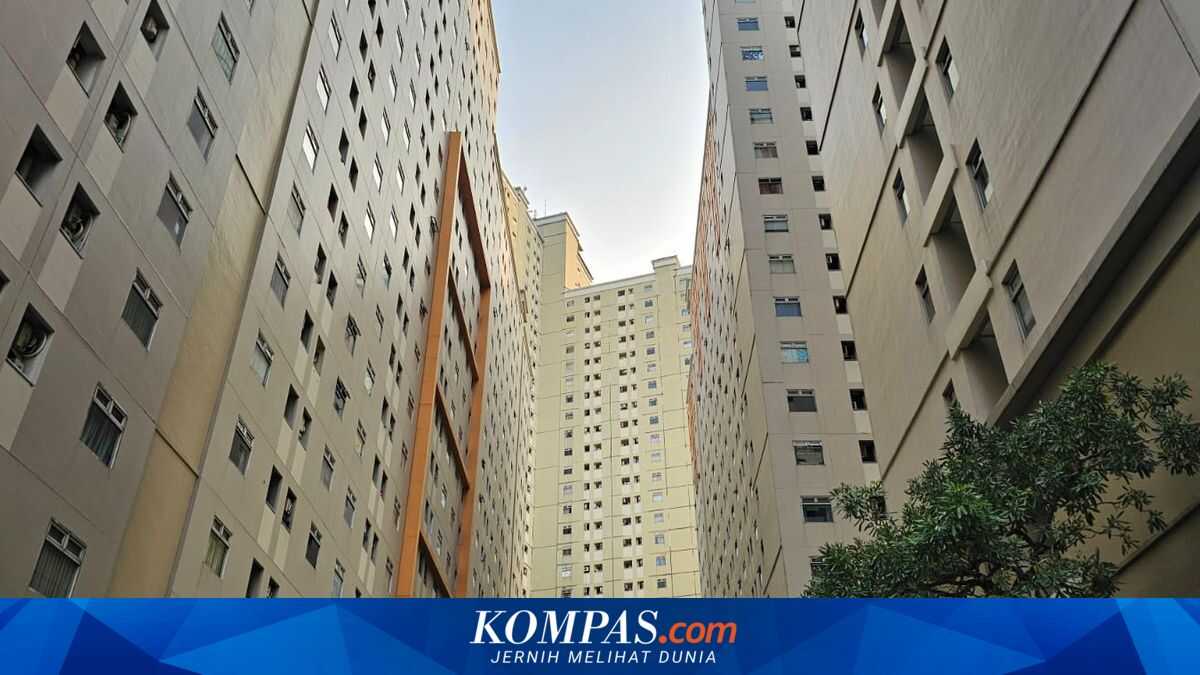
Jakarta — The government’s plan to intensify the construction of subsidised rental flats (rusun) in urban areas is viewed as a relevant move amid land scarcity and population growth. Heliantopo, Business Director of PT Sarana Multigriya Finansial (SMF), said that the trend toward vertical housing is an inevitability in major cities. If one looks at various large global cities with high density, people ultimately live in rental flats or apartments. He cited Singapore, Hong Kong, Kuala Lumpur, and Tokyo, where the majority of residents inhabit vertical housing. ‘In countries where cities are densely populated, people inevitably have to live in rental flats,’ he told reporters at a press conference in Jakarta on Wednesday, 4 March 2026. However, with land constraints and rising transport costs due to the distance between homes and workplaces, people are expected to begin weighing efficiency. ‘Transport costs are not just payments for the KRL, buses, or motorcycles, but also time. So people will compare the transport costs incurred with living in an apartment to see which is more efficient,’ he said. Heliantopo noted that the shift from landed housing to rental flats will occur gradually, particularly in the Jabodetabek area (Jakarta, Bogor, Depok, Tangerang, Bekasi). Population growth and the distance between landed housing and activity centres are seen as drivers of the change. He added that the rental-flat programme has already been underway and facilitated through the Fasilitas Likuiditas Pembiayaan Perumahan (FLPP) scheme. Several rental-flat projects, including those developed by Perumnas in the Margonda area and other locations, have begun marketing. ‘As long as there are buyers and residents who can afford the installments, I think the programme is very good,’ he said. On financing support, Heliantopo stressed that SMF is ready to support if the government pushes subsidised rental flats more massively.