
Government Dilemma: Rising Fuel Costs Risk Swelling Budget or Triggering Inflation
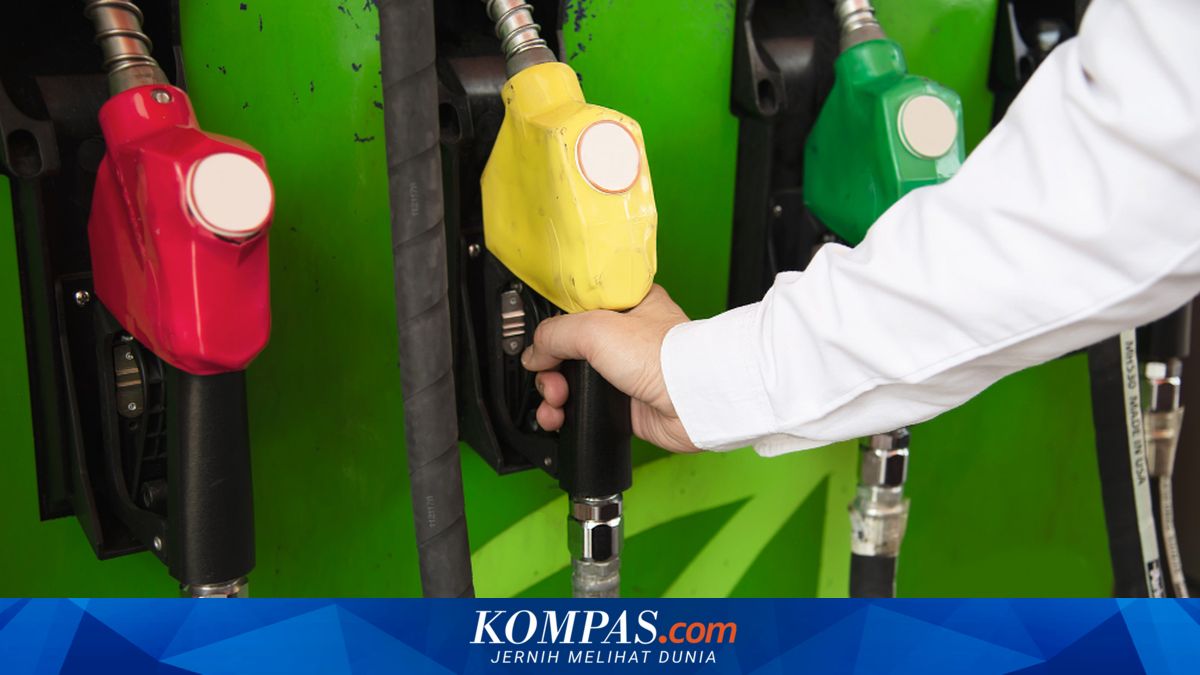
JAKARTA — Rising world crude oil prices reaching $111-115 per barrel are placing Indonesia’s government in a difficult predicament.
Fahmy Radhi, an economist from Gadjah Mada University (UGM), stated that the surge in crude oil prices will add fiscal pressure on the State Budget (APBN).
The government is understood to have assumed a world oil price of $70 per barrel in the 2026 state budget.
“This situation puts Indonesia in quite a dilemma,” Fahmy said when contacted by Kompas.com via telephone on Monday (9 March 2026). “If the government does not raise subsidised fuel prices.”
If the prices of subsidised fuels such as Pertalite and Solar petrol do not increase, the burden on the state budget will become heavier and risks expanding significantly.
“The situation is extremely difficult for Indonesia, quite a heavy dilemma,” Fahmy remarked.
He suggested that the government must conduct studies and simulations of subsidised fuel price increases.
He cited the Finance Ministry’s statement that the safe budget limit extends only to $90 per barrel, meaning subsidised fuel prices must rise when world oil prices reach $130 per barrel.
“So first the government must establish an upper limit for raising fuel prices,” Fahmy explained.
He advised against raising subsidised fuel prices around the Eid al-Fitr holiday, when millions of citizens travel home to their hometowns.
This policy would create dual inflation from both the fuel price increase and the holiday spending surge.
“During Eid there is already inflation, and adding the fuel price increase will make things much worse and could become chaotic,” Fahmy said.
Additionally, before raising subsidised fuel prices, the government must also distribute social assistance to mitigate the impact of rising commodity prices on low-income communities.