
Government Develops Queue-Free Hajj Scheme
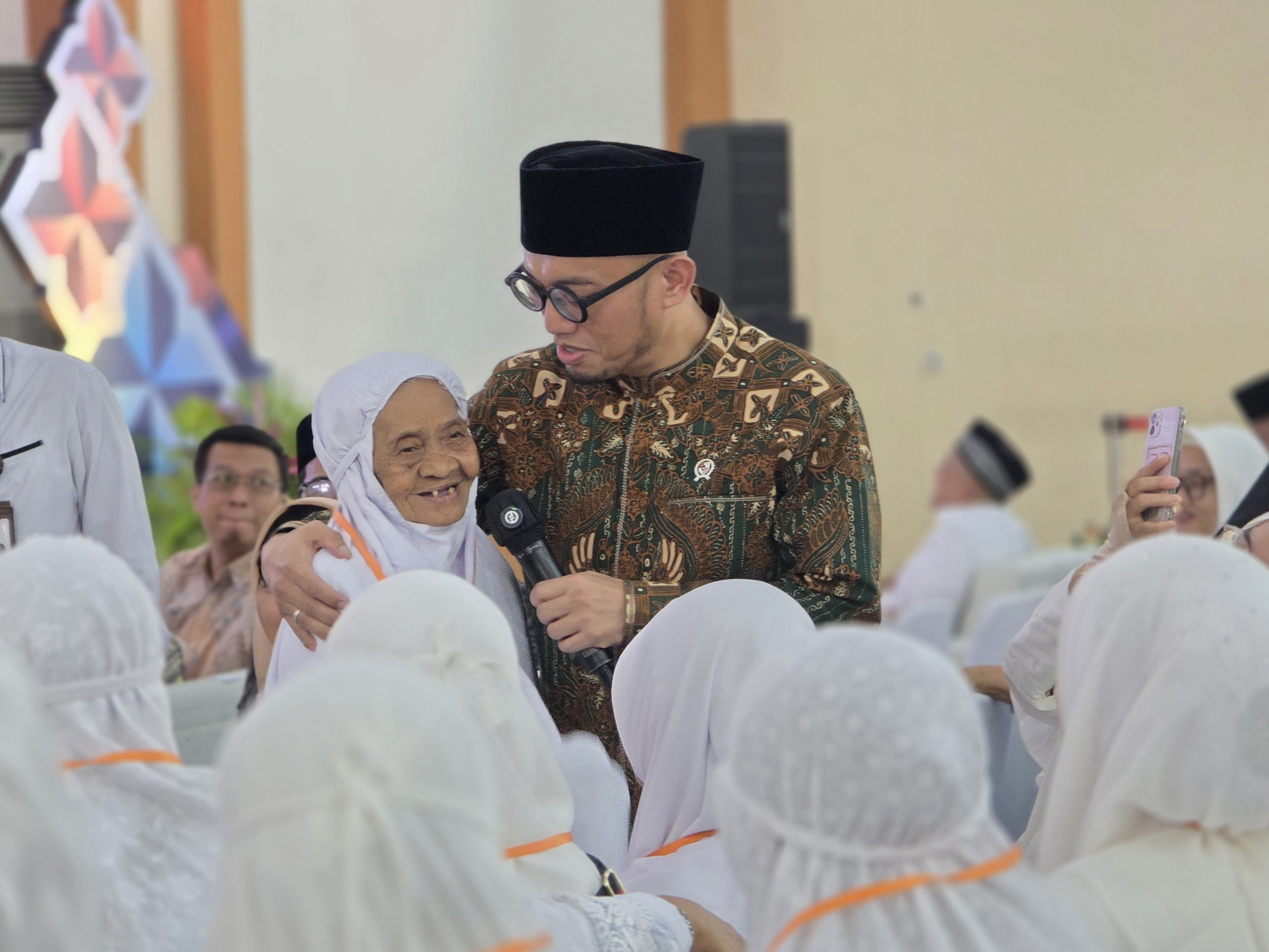
The Indonesian government is examining a scheme for organising the Hajj pilgrimage to realise the President’s desire for the public to no longer wait decades. Nevertheless, the government assures that protecting millions of prospective pilgrims currently on the waiting list remains the top priority.
Deputy Minister for Hajj and Umrah, Dahnil Anzar Simanjuntak, revealed that the concept of a queue-free Hajj is still in the deep discussion phase and not yet a final decision.
“Now the President wants us to think about how to make Hajj without queuing. So, a Hajj without queues. That’s what we’re formulating,” said Dahnil in Jakarta on Thursday (9/4).
Dahnil explained that the long queue phenomenon in Indonesia is heavily influenced by the current Hajj financial management system. This triggers a surge in registrants that is disproportionate to the limited quota provided by the Saudi government.
“The more there are (registrants), the longer the queue,” clarified Dahnil.
For comparison, he mentioned the management patterns in other countries. Malaysia, for example, has long queues through its Hajj savings system. Meanwhile, in other countries like India, the queue scheme is not as long as in Indonesia due to different management models.
The government is now studying the possibility of implementing a more flexible model, resembling a direct ticket purchase system based on the available annual quota.
“So we’re given a quota by Saudi Arabia of 200,000. Then we set the price. Then no need to queue. So each person books directly, whoever gets it, they depart,” he elaborated.
Although designing a new system, Dahnil emphasised the importance of safeguarding the rights of pilgrims who have queued for years. Currently, around 5.7 million people are recorded on the national waiting list.
“We’re thinking about that pattern. But of course, we must ensure those who have been queuing. There are now 5.7 million people queuing to go on Hajj. So how to protect them?” said Dahnil.
The government is committed to continuing to refine this formula so that the President’s vision can be realised without disadvantaging any party.
“Now we will continue to develop this. Later, I might explain the details, what the model is like. But this is not a decision, we’re continuously developing it so that the President’s desire for a queue-free Hajj can be realised,” he concluded.