
Government Develops Post-Disaster Master Plan for Sumatra, Outlining Priorities
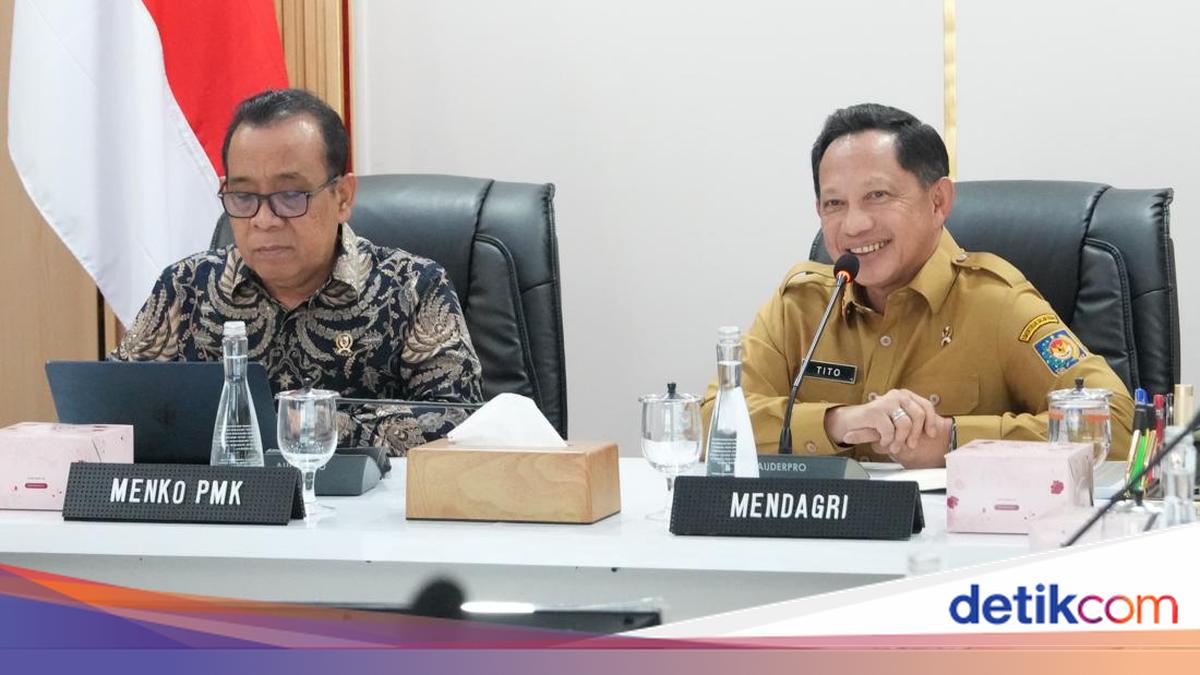
Tito affirmed that the development of the master plan is a crucial step, as disaster response in the three affected regions has moved beyond the emergency phase and is entering a transitional phase towards more permanent and measurable recovery.
“Going forward, we will enter the recovery phase. Currently, Bappenas has drafted a master plan, which we have reviewed, and this process is underway to become a Presidential Regulation. We anticipate a three-year timeline, with completion by 2028, and specific stages each year,” said Tito in a written statement on Saturday (16 May 2026).
He made these remarks while attending a meeting with the Steering Committee of the PRR Task Force.
Tito added that the master plan will serve as a guide to accelerate rehabilitation and reconstruction across ministries and agencies. This step will also serve as the basis for determining development priorities in areas affected by hydrometeorological disasters in Sumatra.
He explained that the government is prioritising several strategic sectors directly related to restoring people’s lives and strengthening regional economic activity.
Specifically, the recovery efforts will focus on developing basic infrastructure such as rivers, roads, and bridges, as well as the trade, agriculture, aquaculture, and permanent housing sectors.
“It was mentioned that the priorities are infrastructure, rivers, roads, bridges, trade, agriculture, and then permanent housing is also important so that people do not have to stay in temporary shelters for too long,” said Tito.
Furthermore, Tito hopes that the implementation of the recovery program can be accelerated and optimised after the master plan receives presidential approval.
With a stronger policy framework, Tito said that budget support for relevant ministries and agencies is also expected to be disbursed soon so that the rehabilitation and reconstruction process can be accelerated.
“Once it is approved by the President, the process will automatically speed up when the budget is disbursed to the ministries/agencies in charge,” Tito explained.
Tito emphasised that the government aims for the master plan to not only serve as a guide for physical reconstruction after the disaster but also to promote the gradual and sustainable recovery of the social and economic well-being of communities in the three affected provinces by 2028.