
Government Develops Literary Ecosystem Through National Talent Management Programme
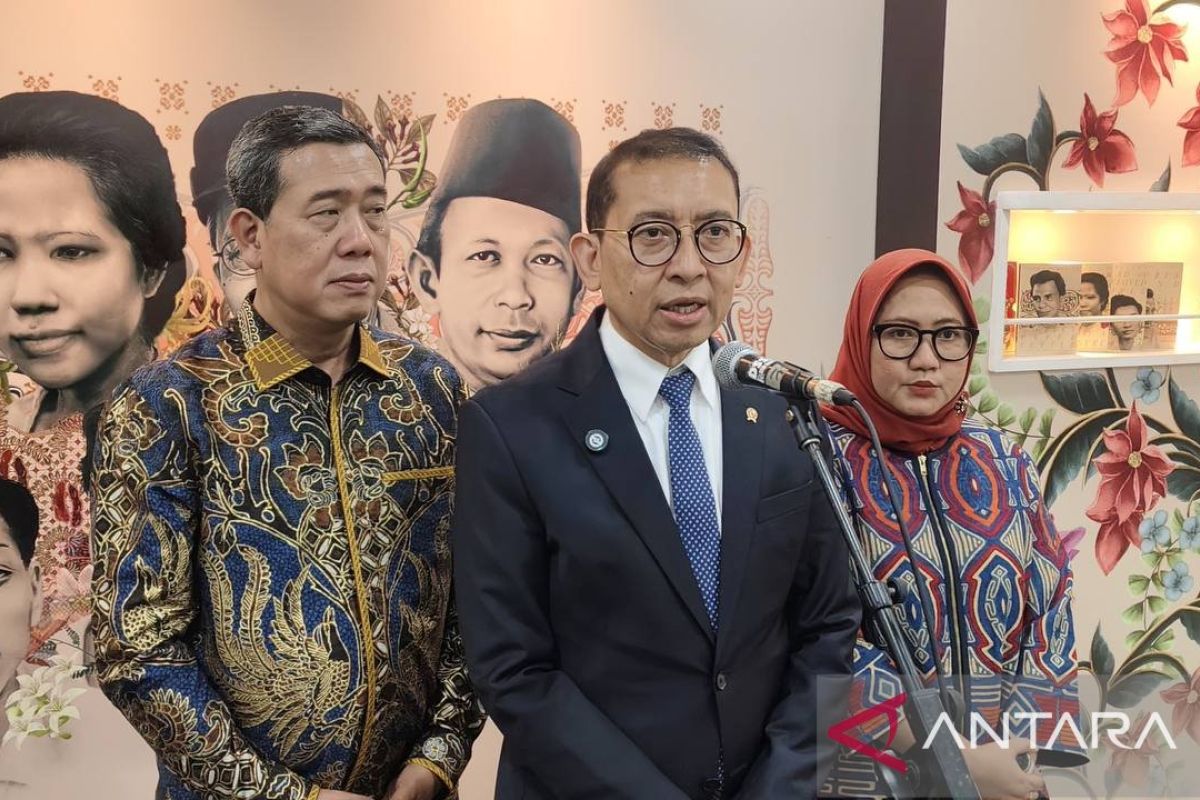
Jakarta (ANTARA) - The Ministry of Culture has stated that the government supports the development of the literary ecosystem, one of the primary methods being through the National Talent Management (MTN) programme.
“We are making literature one part of ecosystem development alongside National Talent Management. Literature will certainly not grow solely through the presence of talented writers. Literary life will flourish when the entire ecosystem functions effectively from upstream to downstream,” said Minister of Culture Fadli Zon during the opening of the Sasana Sastra event in Jakarta on Thursday.
He explained that a functional literary ecosystem spans the entire process, starting from the creation or production of works, publishing, distribution, translation, and promotion, to appreciation spaces or festivals, and the formation of communities that bring literary works to life.
He acknowledged that his department has partnered with at least 18 literary festivals in Indonesia through a national festival consortium and is supporting increased literary appreciation across various regions.
“Approximately 3,225 selected literary works have been distributed to the public through 35 literary community hubs spread across Indonesia. In 2025, we also encouraged the regeneration of 7,500 literary talents through the national talent management mechanism in the field of literature,” he said.
Furthermore, the Ministry is opening opportunities for Indonesian literature to become more widely known on the global stage by producing young translators and promoters who serve as vital links in this ecosystem. The programme also provides funding for translators for foreign residents purchasing the copyrights of national literary works.
Given Indonesia’s status as a megadiverse nation with cultural wealth spanning from Sabang to Merauke, from Miangas to Rote Island, comprising 1,340 ethnic groups, 718 languages, and spread across more than 17,000 islands, it is hoped that this literary wealth will continue to develop sustainably.