
Government Develops Halal Strategy for Imported Raw Materials
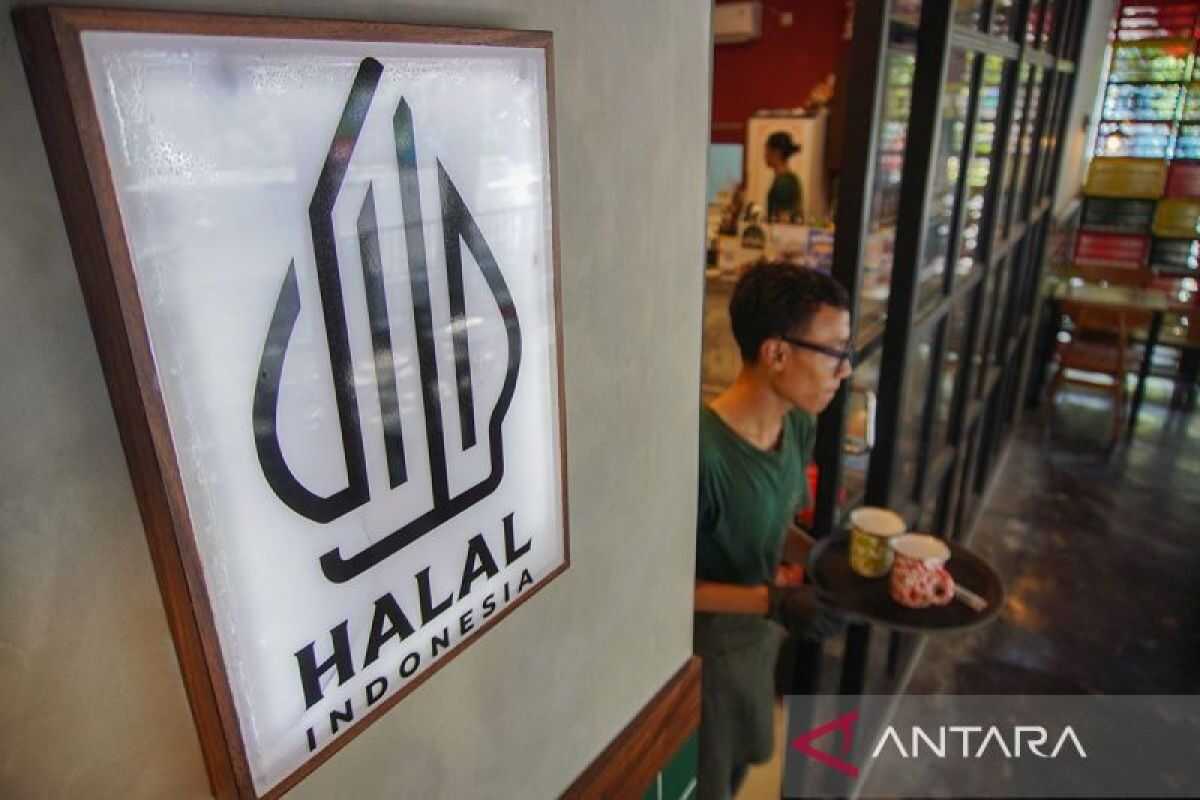
Jakarta (ANTARA) – The Head of the Agency for Standardization and Industrial Service Policy (BSKJI) at the Ministry of Industry, Emmy Suryandari, stated that the government is preparing a special strategy to ensure that imported raw materials continue to meet halal standards.
According to Emmy, this is being done because approximately 70 per cent of Indonesia’s industrial needs still depend on imports, so the implementation of the halal ecosystem must be maintained from upstream to downstream.
Speaking at the 99 Indonesian Islamic Economists’ Forum in Jakarta on Tuesday, Emmy explained that in the New National Industrialisation Strategy (SBIN), the government is using a backward and forward linkage approach to trace the industrial supply chain.
“These raw materials are one of the challenges. If the upstream is in the country, tracing is easier. But when most of the raw materials come from imports, that becomes a challenge,” she said.
According to her, the Ministry of Industry is preparing several steps to ensure that imported raw materials can be defined as halal.
These steps include fulfilling documentation requirements, cooperating with the Halal Product Guarantee Organising Agency (BPJPH), and harmonising international halal standards.
Emmy added that another challenge is when industries are required to produce halal products, but the raw materials do not meet the standards or the market for halal products has not yet been established.
“This ecosystem is the goal of the Ministry of Industry. Therefore, we have prepared a roadmap for the development of the halal industry 2025–2029 through the Minister of Industry Regulation Number 40 of 2025,” she said.
Emmy mentioned that the roadmap includes six main programmes, starting from the preparation of technical regulations so that halal becomes an operational standard, the construction of infrastructure such as the Halal Inspection Agency (LPH), halal raw material centres, halal logistics, to information systems.
Other programmes include the development of industrial human resources through inter-ministerial cooperation, facilitation of the halal industry together with BPJPH and the Ministry of Trade, and the provision of incentives for industries located in halal zones.
She cited the pharmaceutical industry as still being 90 per cent dependent on imported raw materials.
“Substitution takes time, including permits from BPOM. We are working with BPJPH to define certain materials for which it is difficult to obtain certificates, so that they remain compliant with halal standards,” she said.
Emmy added that the government is also encouraging industries to use domestic raw materials as much as possible, while preparing transition policies for sectors that still depend on imports.