
Government Clarifies SPHP Rice Prices Amid US Dollar Exchange Rate Fluctuations
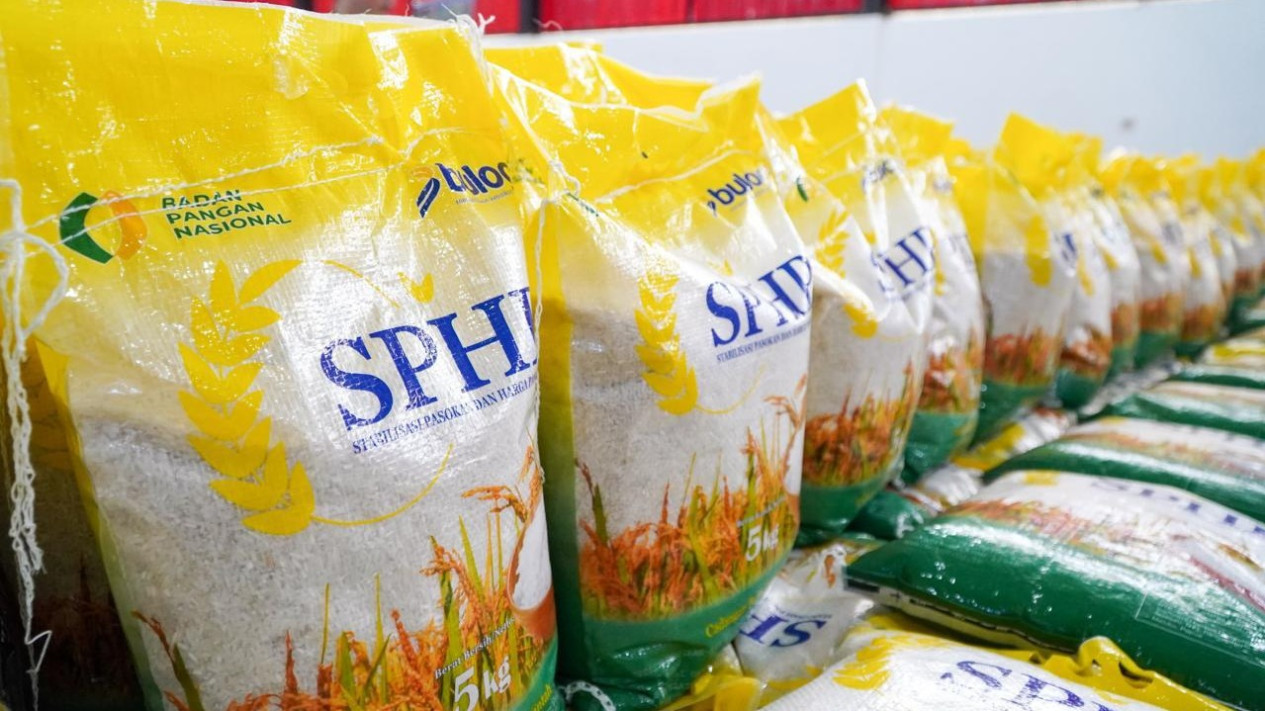
The National Food Agency (Bapanas) has confirmed that the price of Stabilisation of Supply and Price of Food (SPHP) rice will not increase despite fluctuations in the US dollar exchange rate. Maino Dwi Hartono, Director of SPHP at Bapanas, stated that this measure is aimed at maintaining affordable food and national supply stability. ‘The government has assured that the strengthening of the US dollar will not affect SPHP rice prices,’ Maino said in Jakarta on Thursday, 28 May 2026. This policy underscores the government’s commitment to the public, following a similar approach with unchanged subsidized fuel prices. ‘This ensures public confidence,’ he added. The government has also assured that Perum Bulog will maintain the quality of SPHP rice, ensuring the public receives good-quality rice at affordable prices. ‘While changes in the dollar exchange rate can impact various sectors, including food, the SPHP rice program, as a government initiative, remains unchanged, including its selling price,’ Maino said. Bapanas has set SPHP rice prices for consumers in Java, Lampung, South Sumatra, Bali, West Nusa Tenggara, and Sulawesi at Rp12,500 per kilogram (kg). For Sumatra (excluding Lampung and South Sumatra), East Nusa Tenggara, and Kalimantan, the price is set at Rp13,100 per kg, while in Maluku and Papua, the maximum price is Rp13,500 per kg. The 2026 budget for the SPHP rice program is Rp4.97 trillion, equivalent to subsidies for the sale of approximately 828,000 tonnes of rice to the public. ‘This ensures continuity of the SPHP rice program, which was extended in January and February 2026 as part of the 2025 initiative,’ he said. Previously, Bapanas Chief and Agriculture Minister Andi Amran Sulaiman confirmed Indonesia has achieved rice self-sufficiency and warned against food mafia manipulating prices and creating market anomalies. Government rice reserves (CBP) managed by Perum Bulog currently stand at 5.3 million tonnes, the highest in history, serving as a key instrument for stabilising rice prices, including through the SPHP program.