
Government Begins Study into Salary Cuts for Ministers and MPs Amid Middle East Crisis
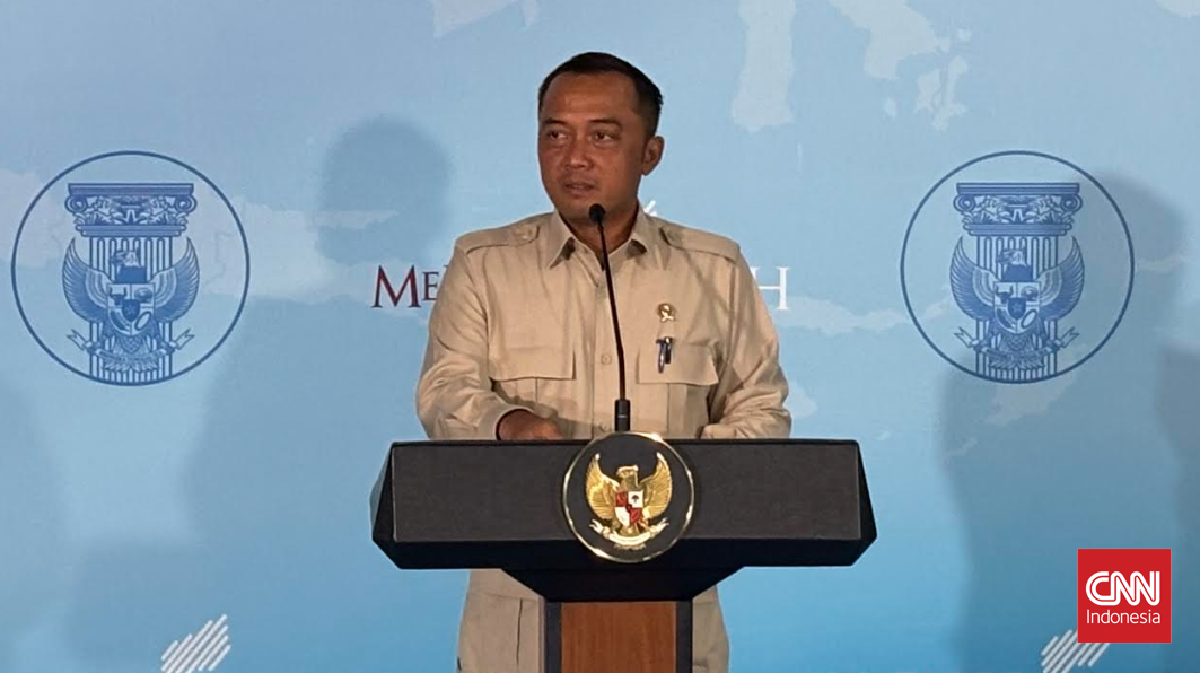
The Indonesian government is conducting a more detailed review of proposals to cut the salaries of cabinet ministers and members of parliament as part of budget-saving measures amid escalating conflict in the Middle East.
“We are currently detailing the review,” said State Secretary Prasetyo Hadi at the Defence Ministry in Jakarta on Tuesday (17 March).
On one hand, Hadi noted that Indonesia’s national fuel reserves remain relatively secure. However, he stated that all parties must use this event as an opportunity to implement austerity measures.
Hadi cited examples of cost-saving steps such as reducing fuel consumption and optimising public transport usage.
“We will begin with government agencies, ministries, and institutions, as there is much that can be done to reduce fuel consumption, for instance how we can transition to public transport, how we can reduce or limit the use of official vehicles. We are currently finalising these measures,” he said.
Middle East tensions have escalated following Israeli-American strikes on Iran. One consequence of these attacks is the closure of the Strait of Hormuz, which has caused global crude oil prices to surge.
Several countries have begun implementing fuel-saving measures. The Philippines, for example, has introduced a four-day working week. Defence Minister Prabowo has previously indicated he is also considering this option.
He raised several options for implementing cost savings, including salary reductions for cabinet members and MPs.
Golkar advocates broader austerity beyond salary cuts
Meanwhile, Zulfikar Arse Sadikin, Deputy Chair of Commission II of the House of Representatives from the Golkar faction, has endorsed President Prabowo Subianto’s proposal to cut the salaries of MPs and cabinet ministers in response to the conflict between Iran and the United States-Israel.
“What is actually more interesting is that in such circumstances, we should review everything,” said Arse following a mudik departure ceremony at Golkar headquarters on Tuesday (17 March).
Going beyond salary cuts, Arse has urged budgetary efficiency across all government programmes. According to him, all budget allocations sourced from the national budget must be evaluated to become more rational amid the conflict.
“Not only government officials or MPs, but everything. Not just salaries, but programmes too. The policies, programmes, and activities of ministries and institutions that are all funded by the national budget should all be reviewed in these circumstances,” said Arse.
“This means I agree, not just about salaries but everything. So rationalisation and evaluation should be implemented to ensure more effective use of the national budget,” he added.