
Government assures Indonesia's economy remains stable amid global dynamics
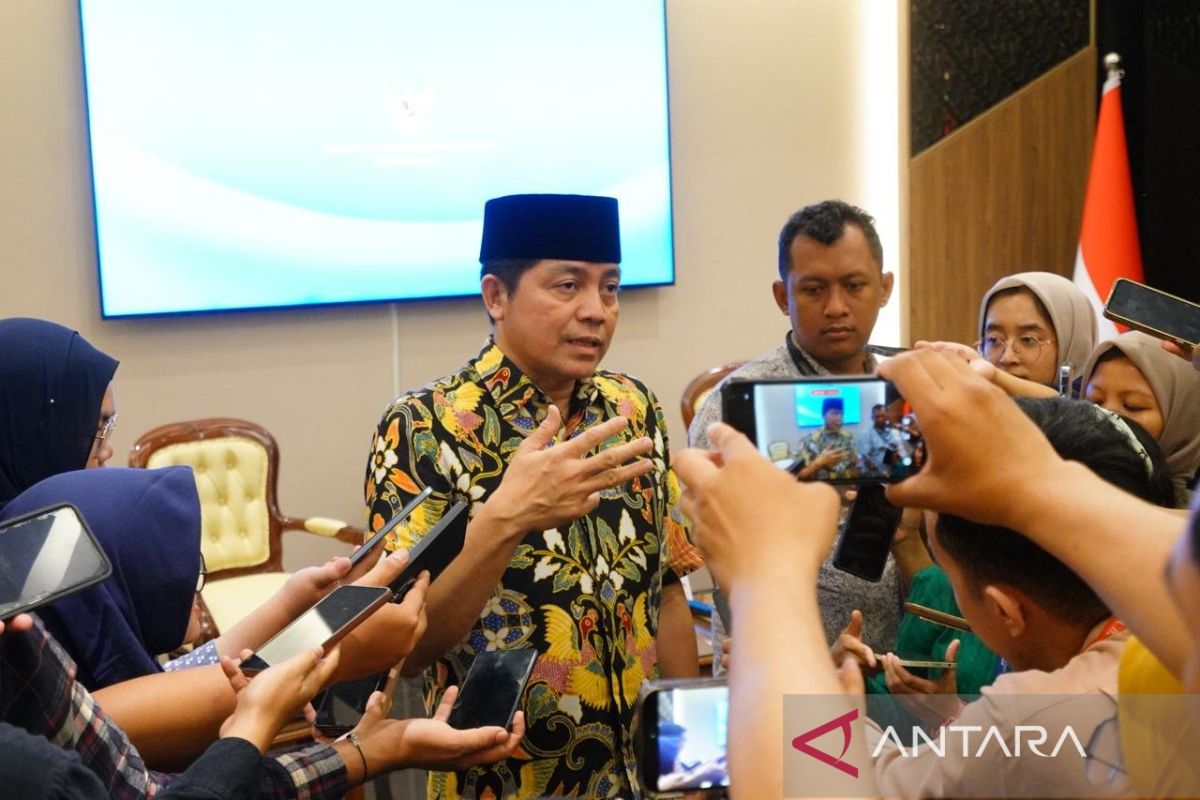
Jakarta (ANTARA) - The government assures that Indonesia’s economic stability remains intact and capable of facing global uncertainties resulting from geopolitical escalations accompanied by rising financial market volatility. Spokesperson for the Coordinating Ministry for Economic Affairs, Haryo Limanseto, in a statement received in Jakarta on Friday, conveyed that the government respects various views from the public as input in policy formulation. “We respect various views from the public; we would like to add that the government assures that Indonesia’s current economic fundamentals remain strong and resilient, supported by several key factors,” he said. Indonesia’s macroeconomic stability remains well-maintained, Haryo emphasised. Indonesia’s economic growth in 2025 was recorded at 5.11% (yoy), relatively high compared to peer countries, while inflation remains within the target corridor of 2.5% plus or minus 1%. In this regard, the government continues to maintain this stability through inflation control and price stabilisation policies. On the domestic demand and real sector side, public consumption remains the main pillar of economic growth, supported by various fiscal stimuli and social assistance programmes. Manufacturing activity also shows strong performance with a Purchasing Managers’ Index (PMI) of 53.8, which is in the expansion phase and the highest in the last two years. Fiscal resilience also remains intact with solid state budget (APBN) performance. Until February 2026, tax receipts grew by 30.4% (yoy), supported by tax reforms and the implementation of digitalisation through the Coretax system, which continues to strengthen the state revenue base and increase taxpayer compliance. In addition, national food and energy resilience is strengthening. According to him, Indonesia has achieved self-sufficiency in several major food commodities and recorded an energy production surplus through the biodiesel programme. This condition serves as an important buffer in facing global turbulence, including the impact of geopolitical conflicts. The government is also continuing to promote economic transformation through industrial downstreaming, strengthening investments, and accelerating digitalisation. The development of the electric vehicle sector and new renewable energy is part of the long-term strategy to create new sources of sustainable economic growth. Going forward, he said the government remains optimistic that Indonesia’s economy can grow around 5.4% in 2026, with maintained stability and ongoing structural reforms. The government will also continue to prioritise the principle of prudence in responding to global dynamics, while ensuring the national economy’s resilience remains strong. “We will continue to maintain stability and ensure that the policies taken are adaptive to global developments, so that the national economy remains positively growing and sustainable,” said Haryo.