
Government and Business World Prepare to Face USTR Investigation
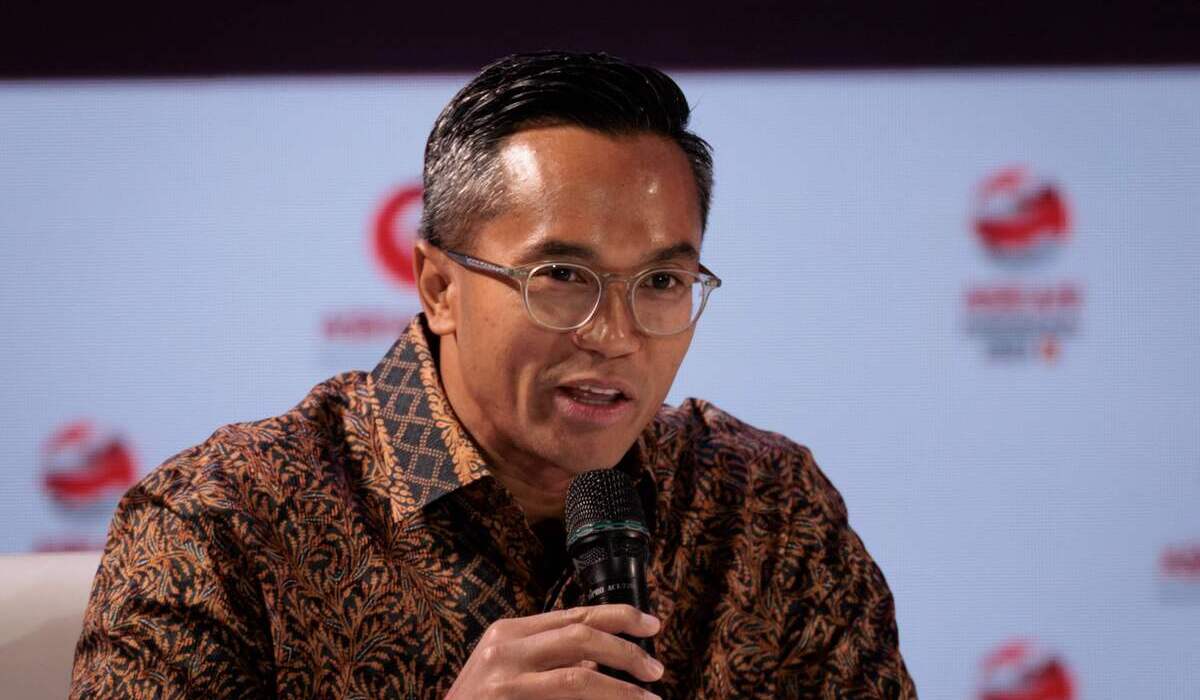
KADIN Indonesia General Chairman Anindya Bakrie stated that the government is preparing to face an investigation conducted by the United States Trade Representative (USTR). As is known, this investigation refers to Section 301 of the Trade Act 1974 with a primary focus on two crucial issues, namely excess production capacity that triggers dumping practices and the issue of forced labour. “For this investigation, thorough preparations must be made by both the government and the business world so that the entire process runs smoothly,” Anindya said, quoted from a press release received on Thursday (19/3). According to Anindya, these preparations are vital to protect the domestic industrial ecosystem. On the other hand, Indonesia also needs to remain optimistic in facing trade challenges with the United States (US), and continue to expand market access that is now beginning to open in other regions such as the European Union and Canada. “So we must think about maintaining and increasing industrial capacity at this time,” Anindya said. Although the investigation will be held, Anin feels relieved because the targeted subjects do not target Indonesia’s flagship export products to the US such as footwear, textiles, furniture, electronics, up to palm oil which is predicted not to be directly affected. “What is most reassuring is that all of Indonesia’s main export focuses are not included in the subjects of that investigation,” he explained. He also believes that the two issues raised by the USTR are not found in industrial practices in Indonesia. From a regulatory perspective, Indonesia firmly prohibits the use of forced labour, both for export and import products. Meanwhile, regarding the excess capacity issue for dumping practices, Anindya assured that this does not occur because the structure of Indonesia’s industry currently focuses more on fulfilling the domestic market and is complementary to the needs of the US market. “And lastly, we must also think positively that after we go through all this with America (United States), do not forget to bring the market access that has been opened both in the European Union and Canada and others also have demand for the same products. So we must think about maintaining and increasing capacity when the time comes,” he stressed.