
Government Allows Limited Airfare Increases Amid Jet Fuel Surge, Airlines Adjust
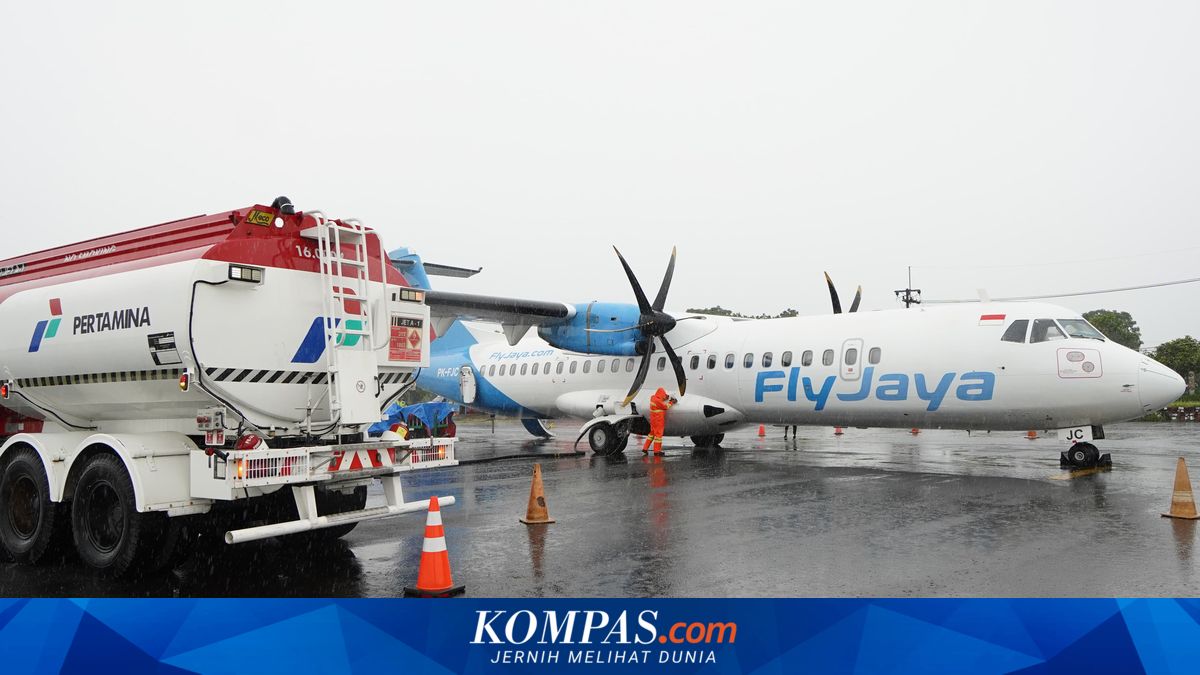
JAKARTA, KOMPAS.com - The surge in jet fuel prices due to the geopolitical crisis in the Middle East is triggering a chain reaction in the aviation industry, from airline operational costs to potential ticket price hikes. However, the government has opted for a middle path: allowing limited fare increases while containing the impact to keep it affordable for the public.
Jet fuel prices reaching Rp 23,551 per litre at Soekarno-Hatta Airport mark the starting point of this pressure. Contributing around 40 per cent to total operational costs, this rise puts airlines in a bind between maintaining performance and holding fares steady.
On the other hand, this situation is not unique to Indonesia. Jet fuel prices in Thailand are recorded at around Rp 29,518 per litre and in the Philippines Rp 25,326 per litre, indicating global pressure triggered by the Middle East conflict, including disrupted energy supplies due to the closure of the Strait of Hormuz.
“If Indonesia does not adjust, it will be exploited by other airlines because prices have already risen in various countries,” said Airlangga during a press conference on Monday (6/4/2026).
Nevertheless, the government emphasises that what is being protected is the impact on the public. Therefore, a series of policies are being prepared to curb ticket price surges.
“The government is preparing strategic mitigation steps to keep ticket prices affordable for the public. So, what we are safeguarding is the ticket prices,” said Airlangga.
However, to contain the impact, the government is rolling out a Value Added Tax (VAT) subsidy for domestic economy-class flight tickets of 11 per cent through a government-borne scheme, with an allocation of Rp 1.3 trillion per month or Rp 2.6 trillion over two months.
In addition, import duties on aircraft parts are being lowered to 0 per cent to reduce operational costs. With this combination of policies, the ticket price increase is being kept to just 9 to 13 per cent.
“To keep domestic ticket price increases affordable for the public, the government is limiting the rise to 9 to 13 per cent,” said Airlangga.
“This policy is estimated to strengthen the competitiveness of the Maintenance, Repair, and Operations (MRO) industry, with potential economic activity of around $700 million per year and supporting GDP output of up to $1.4 billion,” he added.