
Government Aims to Boost Bioethanol in Fuel from Sugarcane Molasses; Farmers Respond
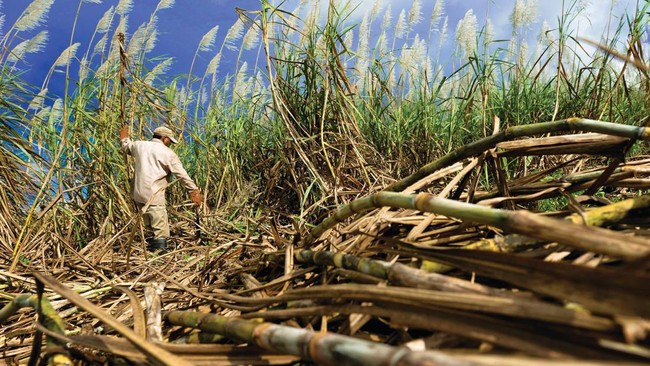
The government’s plan to promote bioethanol as a fuel blend has drawn scrutiny from sugarcane farmers. The Asosiasi Petani Tebu Rakyat Indonesia (APTRI) states that raw material supply, namely sugarcane molasses, is sufficient to support a 10% ethanol blend (E10), but pricing remains the primary obstacle.
APTRI Chairman Soemitro Samadikoen said national sugarcane production has the potential to generate significant bioethanol. He stated that from an annual output of around 40 million tonnes of sugarcane, the resulting molasses could meet the nation’s ethanol blending requirements.
“So, our annual sugarcane production is about 40 million tonnes. Taking 5% of that gives us around 2 million kilolitres of molasses. When converted to ethanol, that’s divided by four, resulting in 500,000 kilolitres of ethanol — which is sufficient for an E10 blend,” Soemitro said during APTRI’s National Working Meeting in Jakarta on Monday, 25 May 2026.
He explained that national demand for Pertamax fuel is estimated at around 5 million kilolitres annually, meaning domestic molasses-derived ethanol supply is sufficient for an E10 blend.
“That would meet E10 requirements,” he added.
However, Soemitro argued that bioethanol development has not provided fair returns for sugarcane farmers, complaining that molasses prices are set too low under domestic bioethanol schemes.
“Molasses is priced at around Rp957 per kilogram domestically, yet we export it for Rp1,600 per kg. Why are we being pressured to accept such low prices?” he said.
Domestic molasses prices for ethanol production have been pushed below Rp1,000 per kilogram, despite export prices remaining significantly higher.
“Molasses, as ethanol feedstock, is valued at under Rp1,000 per kilogram. Previously, it sold for up to Rp2,500, and most recently at Rp1,500 per kilogram for exports,” Soemitro said.
This means farmers are being disadvantaged if molasses prices remain so low.
“Pricing it this way shows no respect for our hard work. It’s unfair — don’t do this,” he said.
Soemitro also questioned the government’s commitment to absorbing domestic ethanol, including Pertamina’s readiness for bioethanol-blended fuel programmes.
“Will Pertamina even accept it? I don’t know. Pertamina sells Pertamax Green, but where is the blending happening?” he asked.
On the other hand, he expressed concern that the government’s push for bioethanol could lead to increased ethanol imports, citing reports of a US ethanol purchase agreement.
“I heard it’s being pushed, but if there’s a deal to buy one million kilolitres of ethanol from the US, what’s the point?” he said.