
Governing Smoking in Jakarta: the KTR By-law and the Tug-of-War Over Interests
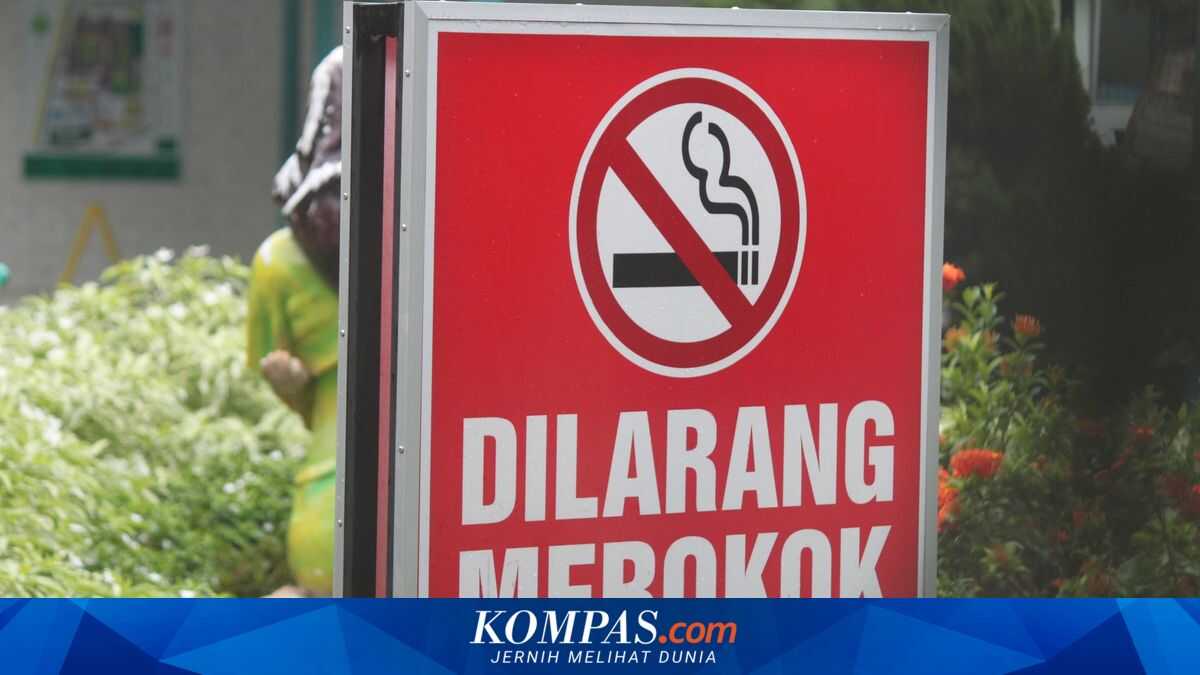
The Jakarta Provincial Regulation (Perda) No. 7 of 2025 on Smoke-Free Areas (KTR) has drawn a range of responses from business operators, government, the legislature, and residents. On the one hand, the rule is designed to strengthen protection of public health. On the other, several parties have urged that its implementation not harm the business sector, particularly night-time entertainment. Kukuh Prabowo, chairman of the Jakarta Entertainment Entrepreneurs Association (Asphija), was among the first to speak out. He stressed that his group is prepared to support government policy, but hoped the rules remain proportional. He said that the regulation and restrictions on smoking areas as set out in the KTR should not extinguish the viability of the entertainment industry such as cafes, bars, live music venues, and nightclubs. However, he regards a total ban on smoking in nightlife venues as justified. The reason is that patrons entering nightlife venues are almost certainly aged 21 and over. Therefore, Asphija hopes that before the technical regulations underpinning the KTR By-law are issued, businesses will be consulted and involved. “We hope the implementation of the KTR By-law continues to adhere to the principles of regulation and restriction, not merely a blanket prohibition,” he said. “Our hope is that with regulations that are more industry-friendly, with adjustments to certain rules, our entertainment industry can compete with neighbouring countries,” Kukuh added. Collaboration between the government, industry players, and the community is required so that Jakarta’s entertainment sector remains a driver of an inclusive and sustainable creative economy. This by-law was previously drafted through the Draft Regional Regulation (Raperda) KTR by the DKI Jakarta Provincial Government in cooperation with the DPRD. Head of the DKI Jakarta Health Office, Ani Ruspitawati, explained that the rule aims to strengthen protection of public health, especially for vulnerable groups such as children and pregnant women. In the draft, the smoking-ban areas are divided into two categories.