
Google Executives Deny Link to Indonesia Chromebook Case
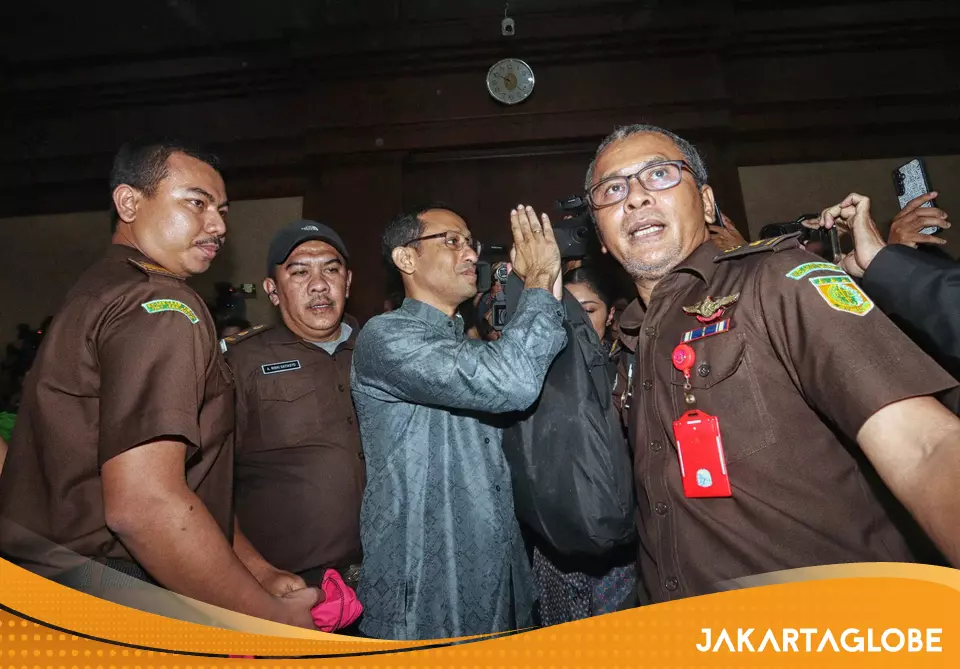
Google Executives Deny Link to Indonesia Chromebook Case
Jakarta. Former executives of Google told an Indonesian court there was no connection between the company’s investment activities and a controversial Chromebook procurement project at the center of a corruption trial involving ex-education minister Nadiem Anwar Makarim.
Testifying via video link at Jakarta’s Corruption Court on Monday, Scott Beaumont, former president of Google Asia Pacific, rejected allegations that the tech giant’s investment in GoTo was tied to discussions with Indonesia’s Education Ministry.
“There was no connection at all between Google’s investment in GoTo and any of the conversations with the Ministry of Education,” Beaumont told a panel of judges.
Caesar Sengupta, a former Google vice president, also denied the charges, along with another former executive, William Florence.
Prosecutors have charged Nadiem, co-founder of ride-hailing firm Gojek, over a Chromebook procurement program carried out between 2020 and 2022, alleging it caused state losses of Rp 2.18 trillion ($119 million). The program aimed to distribute laptops to schools but was later criticized for being ineffective in areas with limited internet access.
Nadiem, who later oversaw the merger of Gojek with Tokopedia to form GoTo Group in 2021, is accused of failing to ensure proper procurement planning and oversight.
Prosecutors allege the project did not meet basic procurement principles, with questionable needs assessments and pricing decisions. They also claim losses included Rp 1.56 trillion tied to the ministry’s digitalization program and an additional $44 million linked to Chrome Device Management licenses deemed unnecessary.
Several former ministry officials and a technology consultant have been named co-defendants in the case.
Google has previously said its Chromebook products are designed for classroom use, including in remote settings, and can function offline. The company added that it licenses software but does not control device pricing.
Speaking after a hearing on Feb. 2, Nadiem said witness testimony had strengthened his defense. He said several witnesses admitted receiving illicit payments but said none had implicated him.
“Many witnesses have admitted receiving gratuities, but all stated they never informed me and were never instructed by me to accept any money,” he said.
Nadiem also rejected allegations of inflated pricing, arguing that procurement was conducted through Indonesia’s e-catalogue system, which he described as transparent and competitive.
Under questioning in earlier hearings, a ministry official acknowledged receiving cash linked to the project, some of which was distributed to others and later returned.
Authorities are continuing to pursue Jurist Tan, a fugitive suspect connected to the case, while the trial proceeds with further witness examinations.
Tags: Keywords: