
Golkar Urges Review of All Government Programmes Over Middle East Conflict
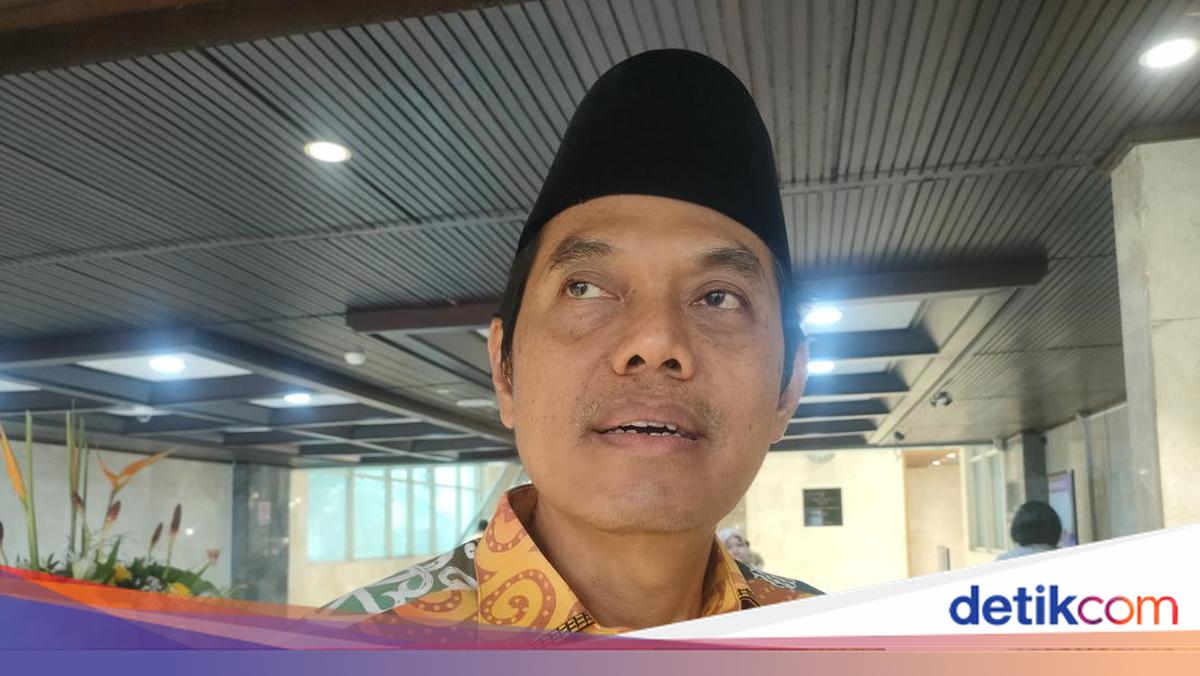
Golkar party chairman Zulfikar Arse has agreed with President Prabowo Subianto’s proposal to examine budget cuts for ministerial and parliamentary salaries to address the impact of the Middle East conflict. Arse argued that the review should extend beyond salary reductions to encompass all government programmes and activities.
“What is even more interesting is that in a situation like this, we must review everything. Not just state officials or parliamentary members, but everything. Not just salaries, but programmes as well. All policies, programmes and activities of ministries and institutions funded by the state budget should be reviewed in a situation like this,” Arse said at Golkar party headquarters in West Jakarta on Tuesday, 17 March 2026.
Arse emphasised that rationalisation and evaluation must be conducted to ensure more effective use of state funds. He urged all programmes, policies and activities of ministries and institutions funded by the state budget to undergo review.
“Yes, I agree, not just about salaries but everything, everything. So rationalisation and evaluation must be carried out to make the use of the state budget more effective,” he said.
President Prabowo’s statement came earlier when he outlined that several countries have taken adaptive measures in response to the conflict situation in West Asia or the Middle East. Prabowo cited Pakistan as an example, which has cut salaries for cabinet members and parliament members.
This was conveyed by Prabowo when chairing a Full Cabinet Session at the State Palace in Jakarta on Friday, 13 March. Prabowo stressed that the government cannot ensure safety without taking proactive measures.
“We cannot assume that whatever happens, we are safe. Yes, we are grateful we are safe, but we have no effort to reduce our fuel consumption. Many countries have already taken steps,” he said.
“Many countries have already taken steps. Perhaps the Secretary of State has slides to show how many steps. Here is Pakistan’s example. This is only for comparison,” Prabowo said while displaying a graphic presentation about Pakistan’s government measures during the crisis.
Prabowo noted that Pakistan implemented work-from-home arrangements for both government and private sector employees. Working days were also cut to four days per week.
“They consider this critical, so they call these critical measures. As if for them this is what we experienced during COVID. They implemented work-from-home for all offices, government and private sector, with 50% working from home. Then they cut their working days to just four days,” he said.
Prabowo continued that Pakistan also reduced salaries for ministers and members of parliament. The budgetary adjustments were used to assist vulnerable groups.
“They even reduced salaries for cabinet members and parliamentary members, and all these salary savings were collected to help the most vulnerable or weak groups,” he said.
Additionally, Prabowo noted that Pakistan cut fuel allocations for all ministries and required 60% of government vehicles to remain unused at all times. Pakistan also suspended all foreign purchases, vehicle purchases, furniture purchases and spending by all government agencies for an indefinite period.
“They halted all foreign visits, reduced them, and prohibited the use of government funds for social events. Then all higher education institutions switched to online delivery. Then all schools closed for two weeks, perhaps to prepare for Eid al-Fitr,” he said.
Prabowo stated that the measures taken by Pakistan’s government serve as an example in handling crisis situations. He called for these measures to be examined in efforts to achieve cost savings.
“This is just an example. My point is, there are several days, I think we can examine this issue, I think we should also make efforts to cut costs. I believe in 2-3 years we will be very strong, but we still need to reduce consumption. Thus we hope we will always ensure that our deficit does not increase,” he said.