
Golkar Says Jusuf Kalla's Statement on 'Potential Chaos' Must Be Handled with Caution to Maintain Stability
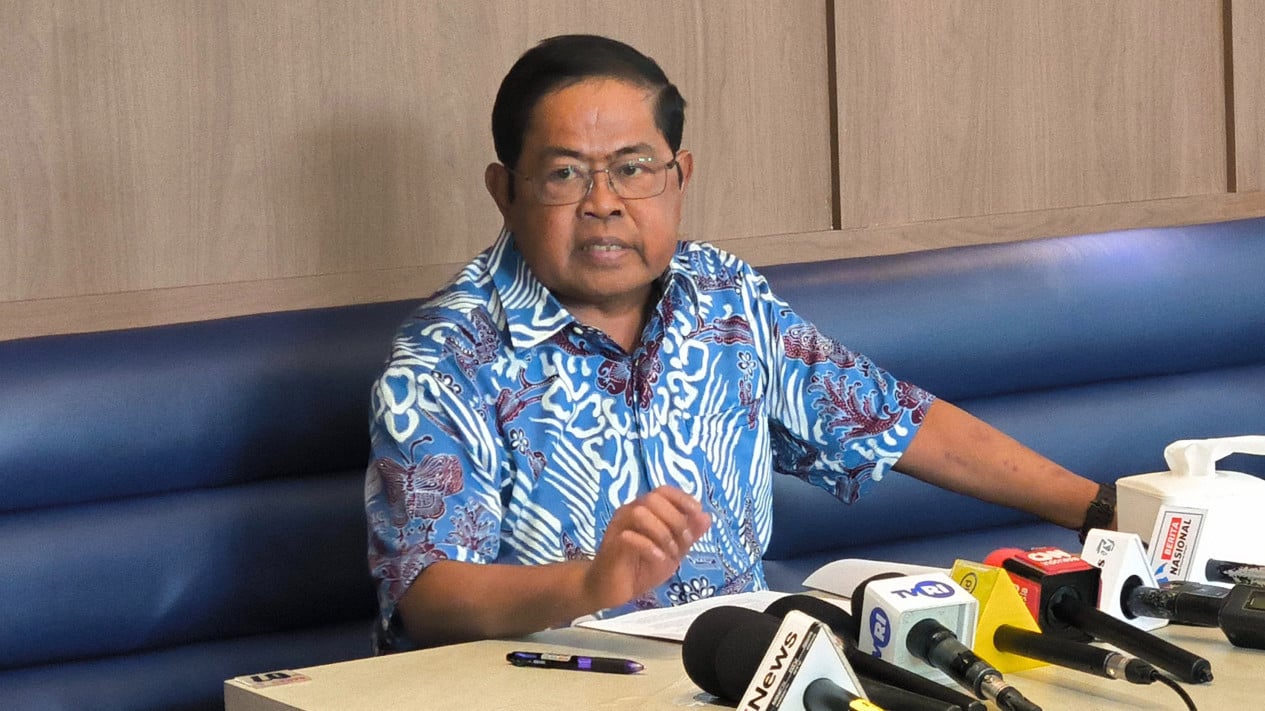
Golkar’s Deputy Chairman, Idrus Marham, has responded to the statement by the 10th and 12th Vice President, Jusuf Kalla (JK), regarding the potential for chaos in July-August 2026. Idrus assessed that the statement can no longer be categorised as ordinary analysis in practical politics and the intelligence world. “If a statement already determines that something will happen, it is no longer a prediction. It is like there is already a scenario and operational target,” Idrus stated in his remarks on Friday, 10 April 2026. He reminded that in the current national situation which requires stability, every public figure should convey views that soothe, rather than incite anxiety or cause panic. “In the nation’s condition like now, we should actually contribute to creating a conducive situation that calms the people. Do not heat things up. Do not create conditions that make the people even more panicked and angry,” he said. Idrus emphasised that statements specifying the time and potential for “chaos” can no longer be positioned as neutral analysis, but rather have the potential to shape collective societal expectations. According to him, in the dynamics of public communication, narratives with a high degree of certainty tend to influence the way society thinks and acts, both in economic and social aspects. “It could be that there are interests that are disrupted or not achieved, then used as an instrument of pressure,” he said. Meanwhile, JK conveyed this in the context of vigilance towards global economic and political dynamics. The International Monetary Fund in its latest projection states that world economic growth in 2026 is still overshadowed by the risk of slowdown, especially due to geopolitical tensions and global trade fragmentation. The World Bank also warns that developing countries face pressures from fluctuations in energy and food prices. Domestically, several economic indicators released by the government show a relatively stable condition. Data from the Central Statistics Agency (BPS) records that annual inflation is still within the government’s target range, although there is pressure on certain food commodities. The government is also continuing to maintain people’s purchasing power through subsidies and social protection. In addition, the government has chosen to hold back increases in fuel oil (BBM) prices amid the trend of rising world oil prices. This policy is said to be a step to maintain domestic economic stability and prevent inflation spikes.