
Gold Weakens Amid Iran-US War, Analysts Advise Against Selling Yet
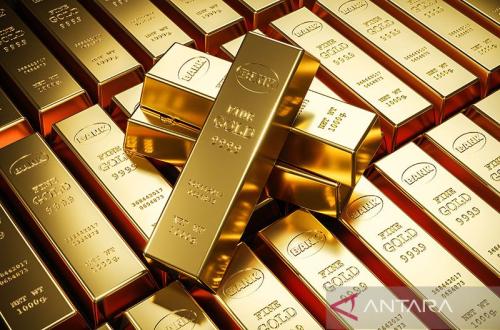
REPUBLIKA.CO.ID, JAKARTA – Gold prices have instead weakened amid the escalation of the Iran-US war. Yet, this precious metal has long been known as a safe-haven asset when global conflicts intensify.
Since the war broke out at the end of February, gold prices have fallen by more than 20% from their January peak. This situation contrasts sharply with market expectations, which typically drive up gold prices when uncertainty increases.
However, investment bank UBS assesses that this weakness is not a signal to exit gold. UBS Global Wealth Management analyst Wayne Gordon emphasised that gold remains relevant as a hedge.
“We do not see this as a major turning point for gold. There are differing conditions that keep the outlook supported by macroeconomic factors,” he said, quoted from Business Insider, Wednesday (25/3/2026).
According to Gordon, the current pressure on gold is more influenced by global economic factors than solely by the conflict. The strengthening US dollar and expectations of high interest rates are the main short-term obstacles.
Gordon also warned that gold’s response to conflicts does not always occur at the outset. “History shows that gold does not always strengthen in the early stages of war. The response can be delayed,” he said.
He added that gold’s movements are more determined by the direction of monetary policy and economic conditions than by the conflict itself.
Nevertheless, UBS remains optimistic that gold prices will rebound. Gold is still considered effective as a portfolio hedge amid global uncertainties.
On the other hand, the war in the Middle East continues to trigger volatility in energy markets. Oil prices surged sharply before falling back as hopes for a ceasefire emerged. However, volatility remains high due to disruptions in global energy supplies.
This surge in energy prices is beginning to impact the real economy. The latest survey shows that production costs in the UK have risen sharply, even reaching the highest level since the 1992 crisis. Inflationary pressures are also increasing again, along with rising fuel prices and disrupted supply chains.
This situation reinforces the view that gold’s movements do not always follow conflict dynamics directly. In the short term, pressures from interest rates and the dollar are more dominant. However, in the medium term, gold is still viewed as a safe asset amid rising global economic risks.