
Gold Prices Rally Again, Traders on Alert Ahead of India's Wedding Season
Gold prices surged yet were shadowed by a chorus of negatives. The spot price of gold remained highly volatile due to shrinking expectations for rate cuts and inflation fears driven by higher energy costs.
Refinitiv data show gold ending Friday, 6 March 2026, at US$5,169.92 per troy ounce, up 1.83% on the session.
Nevertheless, gold booked a 2.03% drop over the week, snapping a four-week winning streak.
Price moves this week were highly volatile, with gold tumbling 4.5% on Tuesday, then rising 1% on Wednesday, before retreating 1.14% on Thursday.
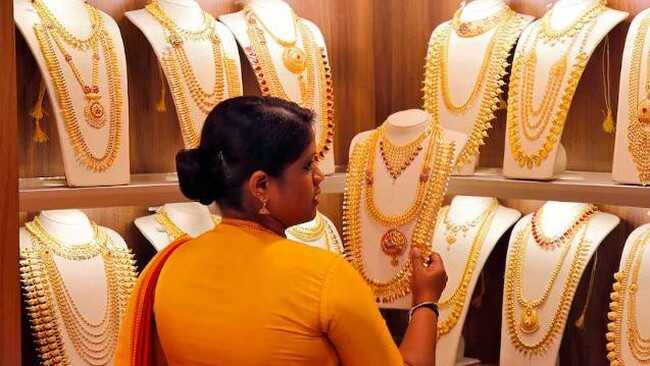
Physical gold demand in India weakened as prices swung sharply amid escalating Middle East tensions, while premiums in China remained firm amid higher investment demand.
A closure of airspace in several countries helped curb supply, narrowing the discount to domestic Indian prices.
“Retail buyers in India are finding the price surge difficult to absorb at current levels; buying gold is becoming increasingly unaffordable,” said Varghese Alukka, managing director of Thrissur-based Jos Alukkas Jewellery, quoted by Reuters.
Domestic gold prices in India traded around INR 160,000 (US$1,745.96) per 10 grams on Friday, after reaching as high as INR 169,880 earlier in the week.
Bullion dealers in the region offered discounts of up to US$28 per ounce to the domestic gold price this week (including a 6% import duty and 3% sales tax). These discounts were smaller than last week’s US$65 per ounce, the highest in 10 months.
India’s main gold imports from the UAE have nearly halted due to widespread flight cancellations and airspace closures following the Middle East conflict, helping to temper the price discounts, according to a Mumbai-based dealer with a private bank.
“Wedding-season demand remains soft. Buyers are delaying purchases because prices are so volatile,” he added.
In India, the wedding season is a key driver of gold purchases, as jewellery forms an important part of bridal attire and is a common gift from families and guests.
Meanwhile, physical gold demand in the Chinese market remained robust even as spot prices rose.
Gold traded with premiums of about US$13-US$15 per troy ounce above the global benchmark this week, slightly higher than last week’s range of US$12-US$13.
That steady premium suggests solid physical demand for gold in China.
“A steady premium means physical demand is still very strong in China, even after gold prices surpassed US$5,000. We can see the public continuing to buy gold for long‑term investment,” said Peter Fung, head of dealing at Wing Fung Precious Metals.
CNBC Indonesia Research
[email protected]