
Gold Prices Plunge 3%, Lowest Since Early 2026: Could They Return to US$4,000?
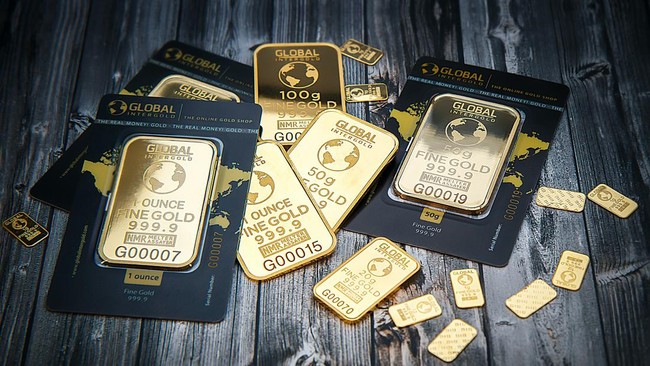
Gold and silver prices took another hit amid a surge in the US dollar and oil prices. According to Refinitiv, gold closed at US$4,379.01 per troy ounce on Thursday (26/3/2026), down 2.8% or nearly 3%. This decline ended a two-day winning streak with a previous gain of 2.2%. Yesterday’s close also dragged gold to its lowest price since 2 January 2026, or the beginning of this year. Gold prices improved slightly today. On Friday (27/3/2026) at 06:30 WIB, gold stood at US$4,395.10 per troy ounce, up 0.37%. Gold fell on Thursday, pressured by the strengthening US dollar and rising oil prices that sustained inflation worries and expectations of sustained high interest rates, while market participants reassessed the chances of a ceasefire in the Middle East. The dollar index soared to 99.99, its strongest level since 18 March 2026. This made gold, priced in dollars, more expensive for holders of other currencies. The dollar index surged after crude oil prices jumped more than 5% yesterday. Brent crude futures rose 5.66% to US$108.01 per barrel, while West Texas Intermediate climbed 4.61% to US$94.48. Jim Wyckoff, senior analyst at Kitco Metals, also explained that gold was weighed down by concerns over higher interest rates and inflation. “If the conflict continues, prices could fall below US$4,000, while a ceasefire and hopes of rate cuts could drive prices back towards US$5,000,” he said, quoted from Reuters. Although known as a hedge against uncertainty and inflation, gold often loses appeal in a high-interest-rate environment because rising yields increase the opportunity cost of holding the metal. Oil prices rose amid prospects of prolonged conflict in the Middle East, sparking fears of further supply disruptions. The rise in energy prices could exacerbate inflationary pressures across various economies. A US proposal to end nearly four weeks of fighting was described as “one-sided and unfair” by a senior Iranian official to Reuters. Meanwhile, US President Donald Trump said Iran allowed 10 oil tankers to pass through the Strait of Hormuz as a gesture of goodwill in negotiations. Gold prices have fallen around 17% since the US-Israel war against Iran began on 28 February. “Speculative movements in recent quarters have effectively reduced the safe-haven capabilities of gold and silver, at least in the short term. Liquidity needs drove sales of both metals in the early weeks of the conflict,” wrote analysts at Intesa Sanpaolo in their quarterly report. On the other hand, data showed that initial jobless claims in the US rose slightly last week, indicating that the labour market remains stable and giving the Fed room to hold interest rates while monitoring inflation risks from the war.