
Gold Prices Fall More Than 1%, Hit by Their 'Eternal Foe'
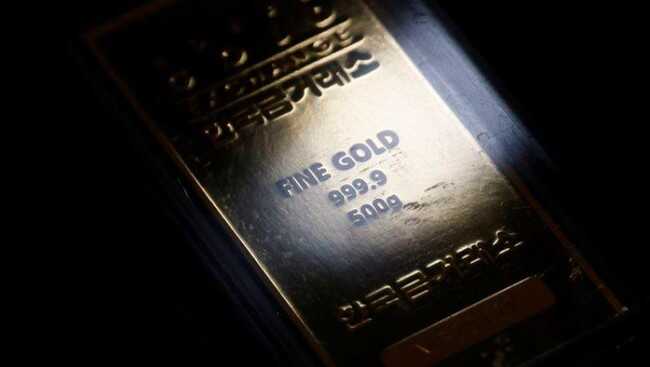
Gold prices and silver fell again after the US dollar strengthened. According to Refinitiv, gold traded on Thursday, 5 March 2026, closed at US$5,076.59 per troy ounce. The price fell 1.14%. Yesterday’s close was the lowest since 19 February, or two weeks ago.
The weakness also dragged gold below the US$5,100 per troy ounce level. The retreat reversed a 1% gain seen on Wednesday.
Today, gold price slightly recovered. On Friday, 6 March 2026 at 06:10 WIB, gold rose 0.25% to US$5,089, or up 0.16%.
Gold prices weakened as the US dollar surged. The dollar index closed at 99.08 yesterday, the highest since 19 February 2026.
The US dollar is the ‘eternal foe’ of gold because it strongly influences demand. Global buying is translated into US dollars, so price rises can make gold more expensive to buy, dampening demand.
There are two main factors supporting the dollar’s strength.
First, crude oil surged to a fresh one-year high, after reports of disruptions in the Strait of Hormuz and attacks on vessels in the region.
Second, US employment data show the labour market remains fairly robust.
The Challenger Job Cuts report showed US companies announced 48,307 layoffs in February, down 55% from January’s 108,435.
Meanwhile, Initial Jobless Claims for the week ended 28 February stood at 213,000, unchanged from the previous figure and below market expectations of 215,000.
Nonfarm Productivity in Q4 2025 rose 2.8%, down from 5.2% previously. For the same period, Unit Labour Cost rose 2.8%, reversing a -1.8% decline in Q3.
Investors and gold traders will await further data. The US will release February Nonfarm Payrolls (NFP) on Friday. The data are expected to show the US economy added 59,000 new jobs. The unemployment rate is projected to remain at 4.3%, unchanged from January.
The US will also release January Retail Sales, which were delayed due to the partial government shutdown in February.
Despite the weakness, gold has upside potential given the ongoing conflict.
Israel launched a large-scale assault on Tehran on Thursday, targeting what it described as Iran’s infrastructure, after Iran’s missiles prompted millions of Israelis to seek shelter.
On one hand, the ongoing conflict in the Middle East could boost demand for safe-haven assets like gold. On the other hand, the risk of a prolonged period of high energy prices could make rate cuts unlikely, or even increase the likelihood of rate hikes, thus limiting further gains in gold, said Hamad Hussain, an energy and commodities economist at Capital Economics.
In the long term, gold is viewed as a hedge against inflation, but the precious metal also tends to perform better when interest rates are lower, because it is a non-yielding asset.