
Gold Prices Drop 11% in a Week as Iran Conflict Shifts Global Market Direction
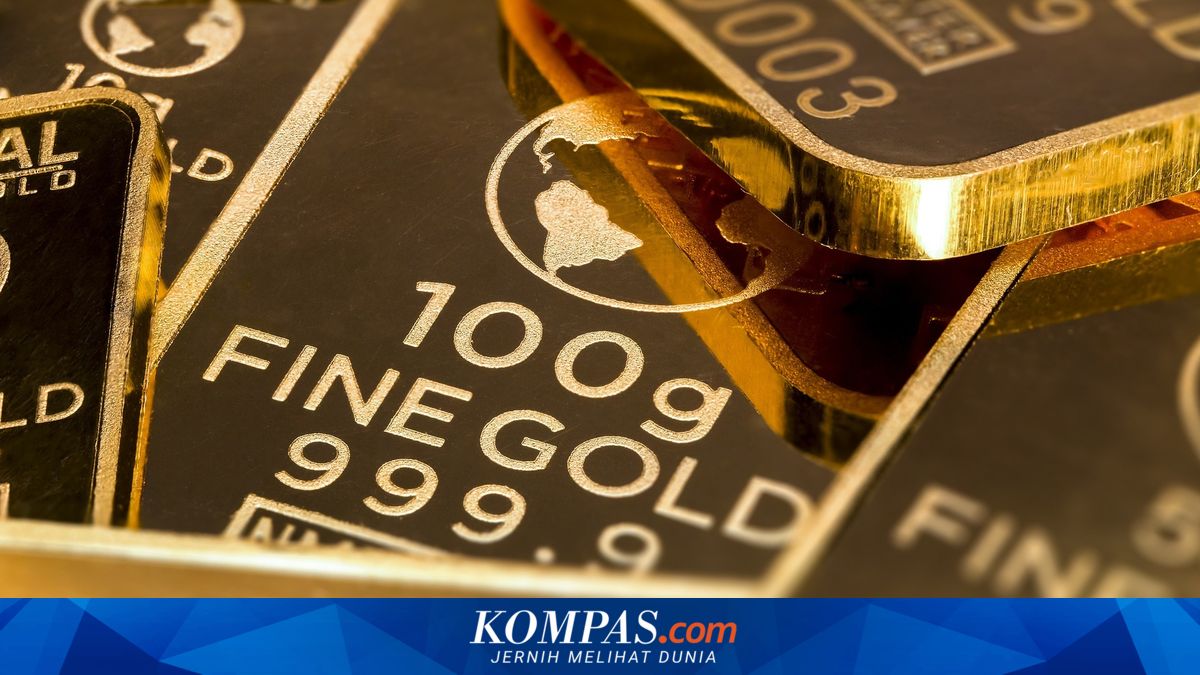
Geopolitical turmoil stemming from the war between the United States (US) and Israel with Iran has triggered disruptions in global oil flows, damaged energy infrastructure, and heightened fears of a prolonged conflict. However, amid this economic uncertainty, world gold prices—typically a safe-haven asset—have instead experienced a sharp decline. Citing CNN on Saturday (21/3/2026), the precious metal recorded an 11% drop over the week, marking the largest weekly fall since 1983. In times of global upheaval, investors generally flock to gold, believing it can preserve value when inflation rises, currencies weaken, or economic crises occur. Nevertheless, the surge in energy prices due to the Middle East conflict is now prompting central banks in various countries to reassess interest rate outlooks, significantly impacting gold price movements. The volatile market conditions have also spurred a resurgence in the US dollar and encouraged investors to review their portfolio compositions. This situation boosts the appeal of yield-bearing investments like bonds, while suppressing interest in gold, which generates no income. The Federal Reserve’s interest rates exert substantial influence on global financial markets. The US central bank has just held rates steady for the second consecutive time. Based on CME FedWatch data, market participants now anticipate no additional rate cuts throughout the year. This raises the opportunity cost of holding gold. “I think in the recent gold price drop, higher yields are playing a big role,” said Hardika Singh, economic strategist at Fundstrat. According to her, rising yields are the primary factor explaining the recent decline in gold prices.