
Gold Prices Could Reach Record USD6,000, Here's the Analysis
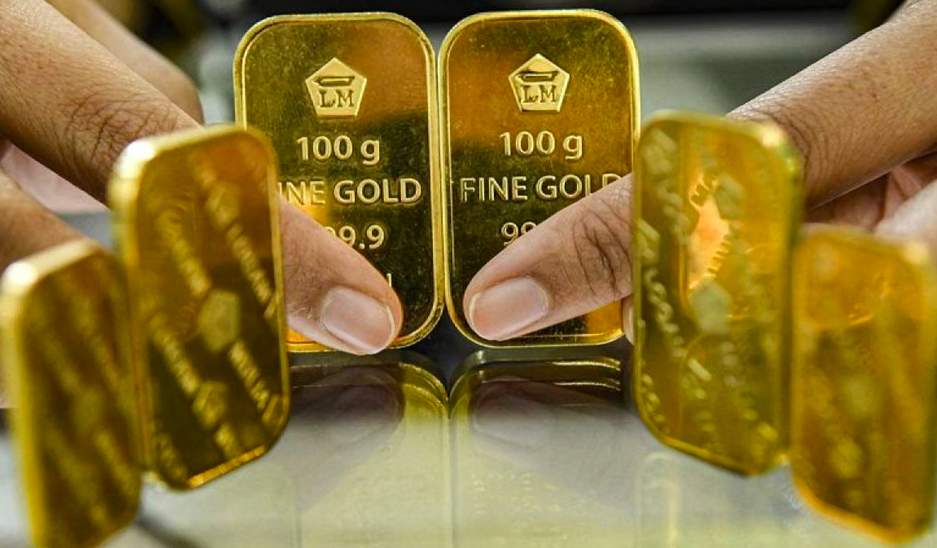
Economist, currency, and commodities observer Ibrahim Assuaibi believes that global gold prices this year still have the potential to break through the USD5,000-6,000 per troy ounce level, despite recent sharp corrections amid geopolitical tensions between Iran and the US.
“I am optimistic that global gold prices in 2026 will break above the USD6,000 per troy ounce level. Why? Because there are several influencing factors,” said Ibrahim when contacted by ANTARA in Jakarta on Thursday (26/3).
Further, Ibrahim explained several factors that will influence future gold price movements, from geopolitical conditions to global central bank policies.
From the geopolitical side, tensions in the Middle East are still seen as the main catalyst, amid conflicts that have not fully subsided in Eastern Europe between Russia and Ukraine.
Additionally, the direction of US central bank policies is also a concern, especially ahead of domestic political dynamics and leadership changes that could affect interest rate policies.
He also touched on trade war issues that have temporarily faded from market attention because investor focus is still on Middle East conflicts.
Beyond that, he highlighted global precious metal supply and demand factors, including accumulation by central banks, which also influence gold prices.
For the domestic market, Ibrahim predicts gold prices could move in the range of Rp3.5 million to Rp4 million per gram this year, driven by a weakening rupiah expected to head towards Rp17,400 per US dollar.
Regarding the recent sharp correction, he assesses that it is inseparable from the strengthening US dollar and rising global oil prices that are driving inflation expectations.
These conditions lead market players to anticipate that central banks will maintain high interest rates longer, so temporarily investors are shifting funds to the US dollar.
Nevertheless, he emphasised that pressure on gold tends to be limited and temporary, in line with high global uncertainty.
Contacted separately, money market observer Ariston Tjendra also holds a similar view, assessing that current pressure on gold prices is inseparable from the surge in crude oil prices that has broken through the USD100 per barrel level.
This increase triggers global inflation concerns and drives up US bond yields, thus attracting investors to switch from gold to US dollar-based assets, which are also considered safe-haven assets.
Ariston added that this shift mainly occurs in non-physical gold instruments and continues to pressure overall gold prices.
According to him, pressure on gold prices could still continue if the Iran-US war continues to disrupt global crude oil production and distribution. However, if tensions ease and oil prices stabilise, gold prices have the potential to strengthen again.
“Historically, because oil prices rise, gold prices have corrected between 16-22%, but eventually rise again,” said Ariston.