
Gold Prices Correct as Markets Fear US Interest Rates Will Remain High
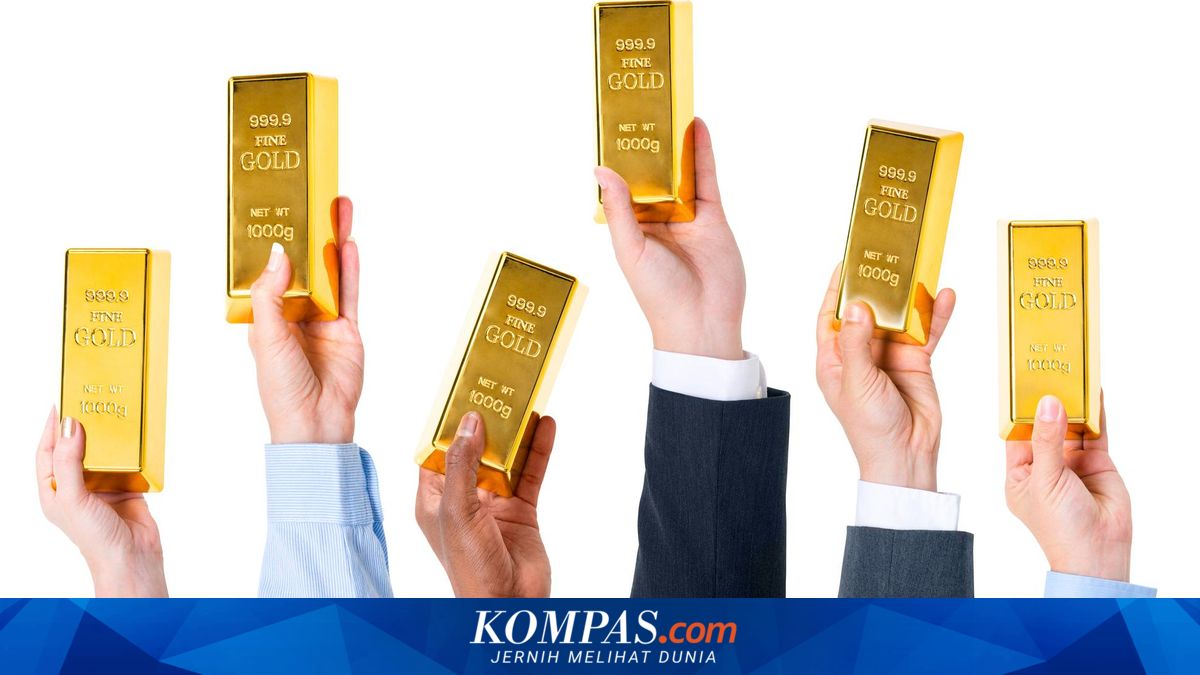
Global gold prices weakened during Monday trading (9 March 2026) following a surge in oil prices that triggered inflation concerns and the potential for sustained high interest rates in the United States. Strengthening of the US dollar also weighed on the precious metal.
According to Bloomberg reports, gold prices fell as much as 3 per cent to around 5,015 US dollars per troy ounce before paring some losses. The decline came after gold recorded its first weekly drop in more than a month.
Rising oil prices emerged as a key trigger for pressure on gold. Several major oil and gas producers in the Persian Gulf region have cut production amid an ongoing conflict between the United States and Israel with Iran that shows no signs of abating.
Hebe Chen, analyst at Vantage Markets in Melbourne, stated that the gold decline reflects the impact of rising inflation driving US dollar strength.
“The gold decline demonstrates the ‘inflation monster’ driving dollar strength. Oil prices breaking through 100 US dollars trigger a chain reaction: energy shock, inflation expectations, dollar strength, and gold weakness,” Chen said.
Gold prices are typically pressured when borrowing costs increase and the US dollar strengthens.
Rising crude oil prices have triggered inflation concerns in the United States, increasing the likelihood that the US central bank or Federal Reserve will maintain high interest rates longer, with potential rate increases possible.
Additionally, gold serves as a liquidity source for investors amid global stock market falls. During periods of market pressure caused by geopolitical tensions, investors sometimes sell gold to obtain cash.
“During periods of market stress triggered by geopolitics, investors sometimes sell assets such as gold to obtain liquidity,” said Christopher Wong, analyst at Oversea-Chinese Banking Corp.
He added that once this phase passes, geopolitical uncertainty typically returns to driving demand for safe-haven assets such as gold.
Throughout this year, gold prices have still recorded gains of approximately 18 per cent despite momentum beginning to falter.
Gold purchases by central banks have also helped support prices. China’s central bank (People’s Bank of China) returned to purchasing gold in February, extending its buying trend for 16 consecutive months.