
Gold Holders Tense as They Await "Word" from America, Prices Could Reverse
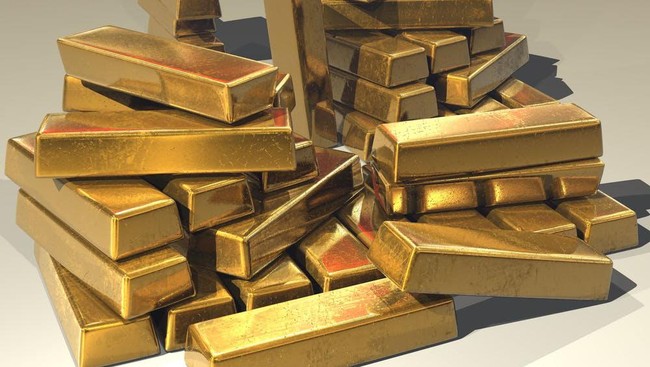
Jakarta, CNBC Indonesia - Gold prices remain subdued amid the Iran versus Israel and United States conflict.
According to Refinitiv data, gold closed at US$5,005.25 on Monday’s trading (16 March 2026), down 0.27 percent.
This decline extends gold’s painful streak, which has already collapsed 3.6 percent over four consecutive days.
On Tuesday (17 March 2026) at 06:51 Western Indonesia Time, gold was trading at US$5,013.2 per troy ounce, up 0.16 percent.
Gold prices fell as market participants began reducing their expectations that the US central bank The Federal Reserve (The Fed) would soon cut interest rates. This shift in expectations has shaken bullish sentiment towards gold.
The decline reflects a broader change in global markets, where inflation concerns and interest rate expectations have become the primary factors influencing markets.
The Fed will hold a Federal Open Market Committee (FOMC) meeting on Tuesday and Wednesday this week (16-17 March 2026) US time and will announce its interest rate policy on Wednesday or early Thursday Indonesian time.
Previously, the market had expected The Fed to lower interest rates. However, a strong US economy and persistently high inflation have reduced the likelihood of rate cuts. Higher interest rates make gold less attractive to investors.
Oil prices are currently above US$100 per barrel due to Middle East tensions. High energy costs keep inflation elevated and reduce the chances of The Fed cutting interest rates.
Strength in the US dollar makes gold more expensive in international markets. Meanwhile, yields on US government bonds have also increased, reducing demand for gold in the short term.
Geopolitical risk and gold purchases by central banks remain supporting factors for gold prices. However, short-term price movements will be heavily influenced by interest rate signals and inflation.
Gold’s role as a safe haven remains strong, although short-term factors are influenced by monetary policy and currency strength.
Although prices are currently declining, the situation is not straightforward. Changes in interest rate prospects, inflationary pressures and global macroeconomic risks are all pulling the market in different directions. For now, gold’s price trajectory remains highly dependent on central bank decisions and global economic signals.