
Gold Drives 23% Growth in Mega Sharia Bank's Consumer Financing
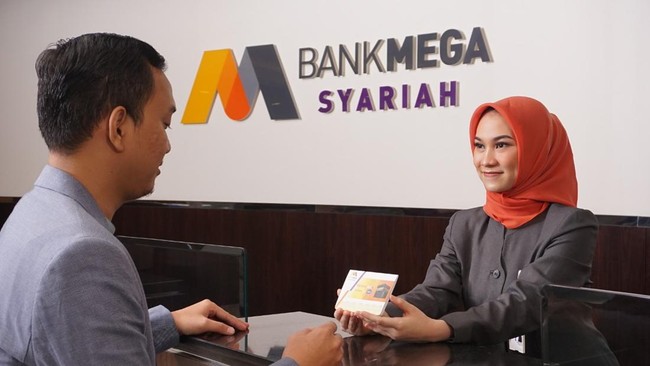
By April 2026, PT Bank Mega Syariah (BMS) reported that its consumer portfolio exceeded Rp586 billion, up more than 23% year on year. Growth in Area 1 (Jakarta and surrounding areas) remained the largest contributor with consumer financing of Rp202.7 billion, followed by Area 4 with Rp122.9 billion and Area 3 with Rp98 billion. The expansion was helped by increased gold financing through the Flexi Gold product, which had outstanding of over Rp31 billion as of April 2026, rising more than 1,236% year‑to‑date, while asset quality remained sound with non-performing financing (NPF) at 0%. Digital Business & Product Management Division Head Benadicto Alvonzo Ferary said the growth in consumer financing shows continuing demand for more flexible and planned financing, including for gold ownership on a gradual basis. “Consumer financing today is not only used for consumption needs, but is increasingly directed toward long-term financial planning. We see rising interest in ownership of gold via instalment schemes in recent months,” he said. In addition to fuelling financing growth, the consumer segment also contributed positively to the company’s revenue. By April 2026, consumer revenue reached Rp5.4 billion, up 12.28% from the previous month. Going forward, Bank Mega Syariah will continue to strengthen consumer financing through products tailored to community needs and by expanding access to financing services across various regions. “We will continue to foster healthy and sustainable growth in consumer financing, including Shariah gold financing which is increasingly in demand,” Ferary concluded. Overall, BMS’s total financing channelled exceeded Rp9.26 trillion, up more than 7.2% from end-2024’s Rp8.64 trillion. In line with financing growth, income from receivables rose to more than Rp118 billion, up about 40.9% through Q1 2026, while income from profit sharing also increased by around 4.7% to Rp114.73 billion. On the bottom line, as of March 2026 BMS posted pre-tax profit of more than Rp79.97 billion, up more than 51% from the same period a year earlier. This improvement was mainly supported by growth in post-distribution income from profit sharing which reached Rp191.60 billion, up more than 20%.