
Going Against the Current, TikTok Declines End-to-End Encryption for User Safety
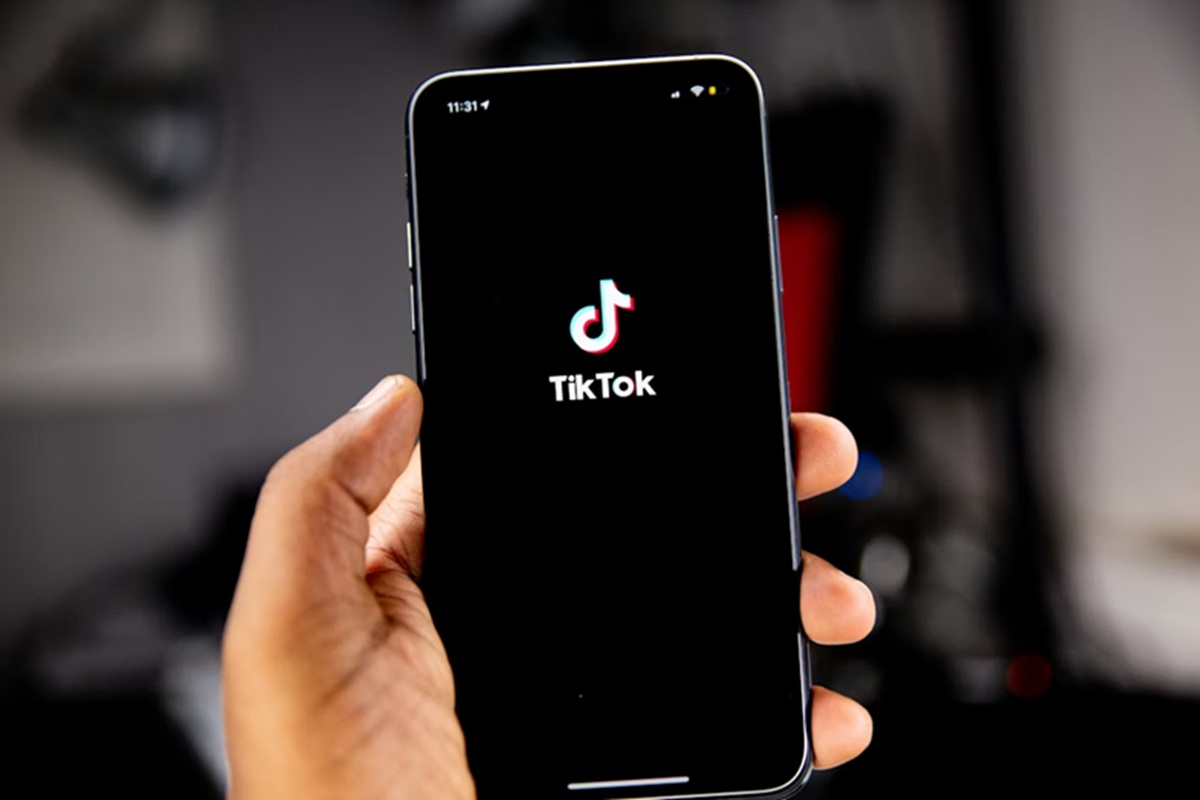
TikTok has officially announced that it will not implement end-to-end encryption (E2EE) for its direct messaging service. The decision makes TikTok an anomaly amid a trend among major platforms like WhatsApp, Facebook, Instagram, and X, which are racing to bolster privacy with this technology.
End-to-end encryption is a security system that ensures only the sender and recipient can read message contents. However, TikTok argues that this feature would make users, particularly young people, less safe by limiting the ability of the platform and law enforcement to monitor harmful content.
In a safety briefing at its London office, TikTok stated that the move is an intentional decision to differentiate itself from its competitors. The ByteDance-owned platform reiterated its commitment to protecting users from risks of harassment and illegal content.
Social media industry analyst Matt Navarra described TikTok’s move as a smart but potentially reputationally risky strategy.
“The risks of grooming and direct message harassment are real. TikTok can credibly argue that it prioritises ‘proactive safety’ over ‘absolute privacy’ now,” Navarra told the BBC.
Nevertheless, Navarra warned that the decision could place TikTok out of step with global privacy expectations and may reinforce public concerns about ownership by a Chinese company, given that E2EE remains banned in that country.
TikTok’s move has drawn positive reception from several UK child-protection bodies, including the NSPCC and the Internet Watch Foundation (IWF). They worry that total encryption would hinder detection of online child sexual exploitation.
Rani Govender of NSPCC said, “We know the risks of end-to-end encrypted platforms for children, as they can hamper detection of sexual abuse and exploitation.”
Echoing this, Dan Sexton of the IWF called TikTok’s decision a significant precedent amid the rush by other platforms to deploy encryption without considering its implications.
Despite rejecting E2EE, TikTok argues that all direct messages will remain protected by standard encryption, similar to services like Gmail. TikTok states that only official employees will have access to view messages, and only in specific circumstances such as lawful requests or reports of harmful behaviour by users.
Industry observers see the move as TikTok’s effort to remain cooperative with regulators and law enforcement, particularly to maintain its global youthful user base. (BBC/Z-2)