
Gloomy Forecast for the Future of Cheap Chinese Smartphones
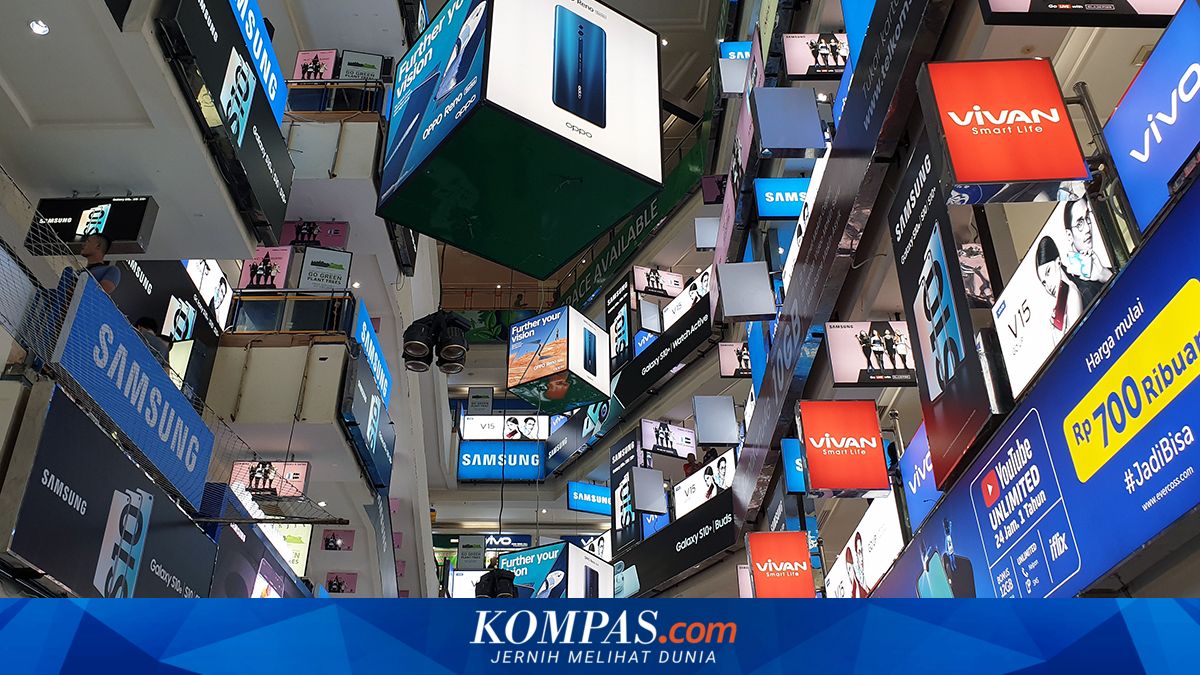
The golden era of cheap Chinese-made smartphones, lured by promises of “high specifications at low prices”, is now on the brink.
For more than a decade dominating the global market, this business model relying on thin margins is beginning to falter under immense pressure.
The main triggering factor is the surge in memory chip prices due to the worldwide AI boom. This situation is then exacerbated by geopolitical tensions disrupting the global semiconductor supply chain.
If this trend continues, analysts predict the smartphone industry will enter a new gloomy phase. Cheap phones will no longer be pocket-friendly, and will gradually become increasingly rare in the market.
Signs of this crisis were already evident at the Mobile World Congress (MWC) held in Barcelona earlier in March.
Several vendors showcased their latest devices, but they appeared confused in setting final prices. Normally, retail prices would have been locked in well before the product announcement.
Xiaomi, for instance, boldly announced its new series of phones priced at 999 euros (around Rp 19.5 million) on stage.
However, analysts believe that price is very likely to be revised when the product actually hits the shelves. This situation is purely due to the wildly fluctuating costs of the main component, namely memory chips.
AI servers require high-speed memory known as high-bandwidth memory (HBM), which is typically paired with leading graphics processing units (GPUs) like those from Nvidia.
In response to this high demand, giant memory producers such as Samsung Electronics, SK Hynix, and Micron Technology have swiftly changed course. They have diverted most of their production capacity from conventional memory (for phones and PCs) to AI server-specific memory, which is more profitable.
The impact is fatal: the supply of memory for consumer devices like smartphones and laptops has become extremely scarce.
Research firm TrendForce notes that DRAM (main memory/RAM) prices have rocketed by 90-95% in just one quarter. Meanwhile, NAND flash (internal storage memory) prices have surged by 55-60% in the same period.