
Global Stock Markets Collapse: Oil Price Breaches US$100 Amid Iran Conflict
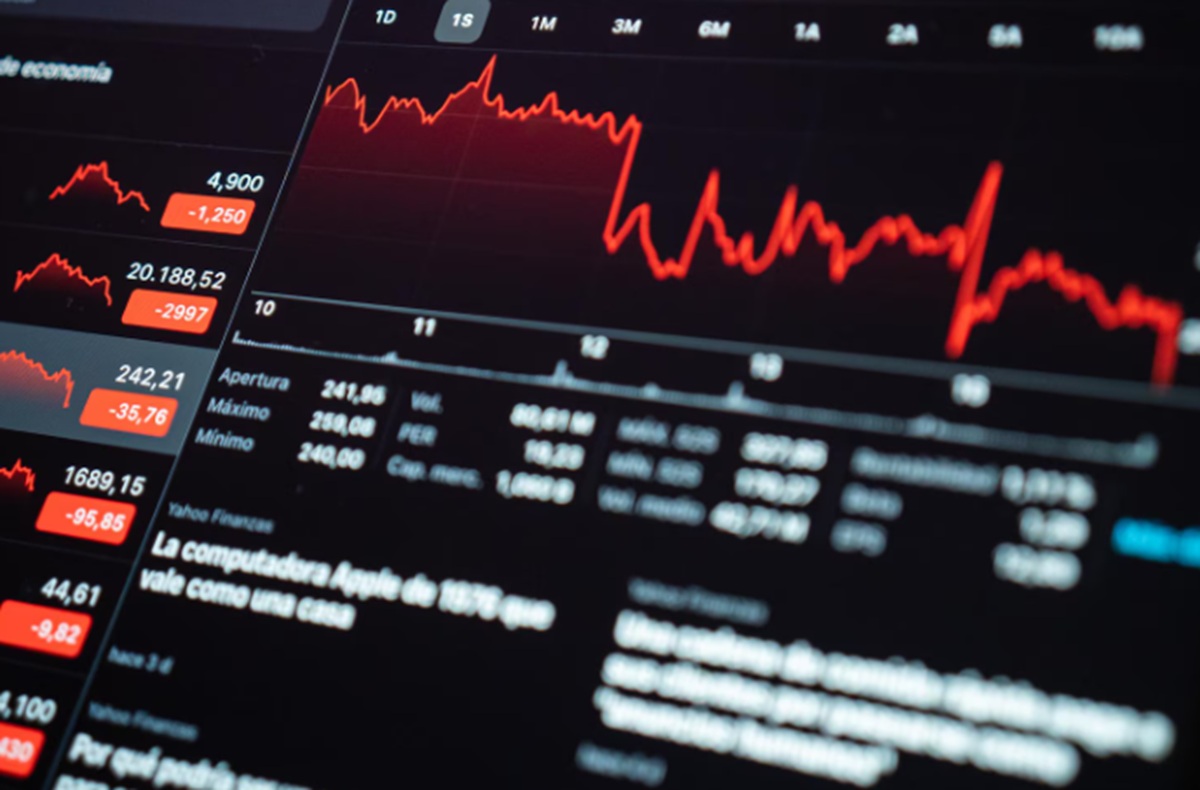
Australian stock markets plunged sharply this morning, dropping 3% and erasing nearly US$90 billion in market value from the country’s largest companies. The S&P/ASX200 benchmark index fell to 8,576.2 points in early trading, down from 8,851 points the previous week.
Market panic was triggered by expectations that the United States will escalate its conflict with Iran. The conflict has disrupted oil shipments and caused energy prices to surge dramatically. Global oil prices breached the psychologically significant level of US$100 per barrel for the first time since 2022 this morning, now trading around US$106 per barrel.
Almost no sector proved immune from the sell-off. Of Australia’s top 200 companies, 186 experienced declines. Major banks fell 3% each, rare earth producers such as Iluka and Lynas dropped over 5%, whilst airlines Qantas and Virgin Airlines plummeted 6% each. The only resilient stocks were energy sector companies, including gas producer Woodside and fuel retailers Ampol and Viva. The economic disruption has strengthened the US dollar, pushing the Australian dollar below 70 US cents.
Similar conditions prevailed in US futures markets. Dow Jones futures fell 848 points, or 1.79%, whilst Nasdaq 100 dropped 1.9%. West Texas Intermediate crude surged 18% to above US$107 per barrel, marking the largest weekly gain since the contract began trading in 1983.
The spike followed production cuts by major Middle Eastern producers in response to closures of the critical Strait of Hormuz. Iraq reported production declines of up to 70%, whilst Kuwait also announced output reductions.
President Donald Trump responded dismissively to the turbulence via social media on Sunday evening, calling the short-term oil price increase “a very small price to pay” for neutralising Iran’s nuclear threat. Trump claimed the conflict had been “won”, particularly following reports of Mojtaba Khamenei’s appointment as Iran’s new Supreme Leader. However, markets remain cautious given the conflict’s uncertain duration.
“The market is clearly anxious because the impact and duration of Middle Eastern conflict are highly uncertain, with potentially wide-ranging economic consequences,” wrote Rick Rieder, BlackRock’s Chief Investment Officer, in a note to clients.
For many Wall Street analysts, the US$100 oil level represents a critical threshold for the global economy. If the conflict is not resolved quickly and prices do not decline, concerns mount that rising energy costs will dramatically slow worldwide economic growth.