
Global Pressures and Fiscal Concerns Shadow Rupiah, Analysts Project Breakthrough to Rp 17,150
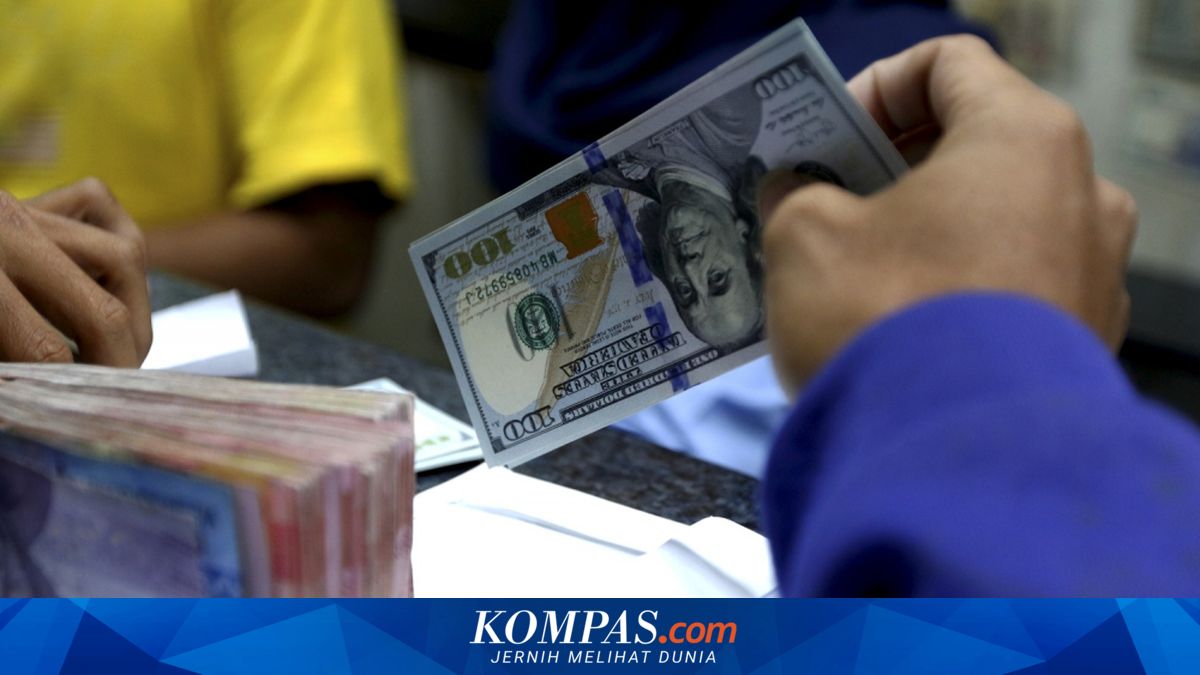
Jakarta — The Indonesian rupiah is estimated to remain under pressure over the coming period. The Garuda currency has the potential to weaken further, potentially touching Rp 17,150 per US dollar.
Pressure on the rupiah is driven by a combination of global and domestic sentiment. The surge in global oil prices resulting from geopolitical conflict in the Middle East is one of the main factors.
Money and commodities market analyst Ibrahim Assuaibi believes the rupiah continues to move volatilely amid various market sentiments.
Rupiah movement over the coming week is estimated to be in the range of Rp 16,850 to Rp 17,150 per US dollar.
Monday trading (16 March 2026) is also expected to remain under pressure.
“For Monday’s trading (tomorrow), the rupiah is volatile but closing weaker in the range of Rp 16,960 to Rp 17,020. For the weekly range Rp 16,850–Rp 17,150,” Ibrahim told reporters, quoted on Sunday (15 March 2026).
Global oil prices surged after Iran’s new leader Mojtaba Khamenei stated that the Strait of Hormuz would remain closed.
The Strait of Hormuz is a strategic global energy trade route. Approximately one-fifth of global oil and gas supplies pass through this channel.
The closure of this vital route has triggered disruptions to global energy supplies. The market views this disruption as among the largest in the history of the global oil market.
The surge in energy prices has triggered concerns about global inflation. Brent crude oil was last traded at around 100 US dollars per barrel.
Rising energy prices also influence the direction of global central bank policy.
Should inflation rise again, central banks such as the Federal Reserve potentially could delay planned interest rate cuts.
Higher interest rates increase the attractiveness of US dollar-based assets for global investors.
“When interest rates remain high, global capital flows tend to move into US dollar assets. This makes the dollar stronger and puts pressure on developing country currencies, including the rupiah,” he explained.
Consumer Price Index (CPI) data shows inflation relatively stable in February compared to the previous month.
These figures have not yet fully reflected the impact of the surge in oil prices resulting from geopolitical conflict.
The market is now awaiting the release of Personal Consumption Expenditures (PCE) data. This data is a key inflation indicator monitored by the Federal Reserve.
PCE data serves as one of the important benchmarks in determining the direction of long-term interest rate policy.