
Global Potato Prices Surge, Skyrocketing 700% in One Month!
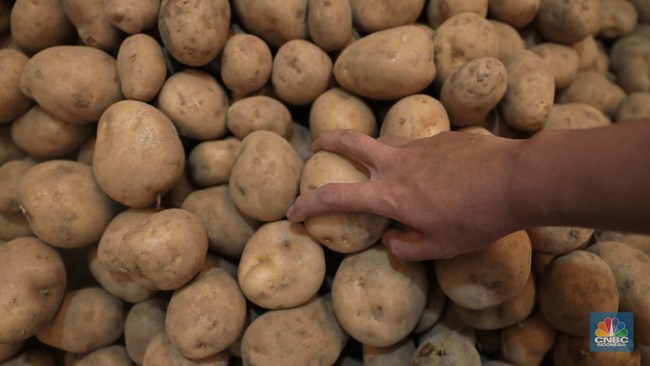
Global potato prices have surged dramatically at the beginning of May 2026. Trading Economics recorded potato prices at €18.50 per 100 kilograms, or Rp 379,990, equivalent to Rp 3,799 per kg (with €1 = Rp 20,540) on 6 May 2026.
In the space of one month, the increase reached 704.35%. On an annual basis, prices are still up 23.33%.
This rise has occurred as supplies from several production regions begin to dwindle. In Brazil, the rainy season harvest finished earlier than expected, causing a sharp drop in supplies to wholesale markets.
FreshPlaza reported that prices for premium Ágata potatoes in the São Paulo market jumped nearly 40% in the last week of April. Similar patterns were seen in Rio de Janeiro and Belo Horizonte. The market is entering a lull before the dry season begins, while old stocks are thinning out.
Weather disruptions have further constrained production. In the southern Brazilian state of Paraná, low rainfall has hampered tuber development. Uneven water distribution has hit planting areas in Curitiba, Irati, and Ponta Grossa. Dry conditions have triggered pest migration from other farmlands to potato fields. Farmers are starting to adjust management practices to mitigate risks of crop failure and disease outbreaks.
Additional pressure is coming from production costs. The Middle East conflict has disrupted the Strait of Hormuz route for weeks. This route has long been the main passage for global fertilisers, natural gas, and crude oil. The BBC reported that UK potato farmers are facing simultaneous rises in fertiliser and fuel prices. Prices for new potato supplies are said to have increased by 30%-40%.
Warwickshire farmer Charles Goadby admitted that fertiliser prices, previously £325 per tonne, have jumped to £480 and continue to rise to around £540. Many farmers are recalculating costs for the next planting season. Some are considering reducing fertiliser use to preserve cash flow.
These conditions open up new risks for global food production. When fertiliser is cut back, yields could potentially decline. Tuber quality is also affected. This pressure is most acutely felt by small farmers who lack substantial capital buffers to purchase expensive inputs.
A wave of price increases is also emerging in Latin America. In Chile, the price of one sack of potatoes has surged from around 5,000-6,000 Chilean pesos in January to 13,000-14,000 pesos in April 2026. The rise exceeds 130%.
Economist Andrés Acuña from the University of Bío-Bío stated that nearly 60% of potato production costs come from fertilisers. When global oil prices rise due to geopolitical tensions, fertiliser costs are directly pushed up.
Chilean farmers are facing the same situation as those in Europe. Prices for urea and potassium have risen more than 21% throughout the year. Local authorities are beginning to worry about declining yields as farmers cut back on fertiliser use to save costs. This risk opens the possibility of food prices remaining high for longer.