
Global Plastic Prices Soar Higher, Domino Effect of Energy Crisis
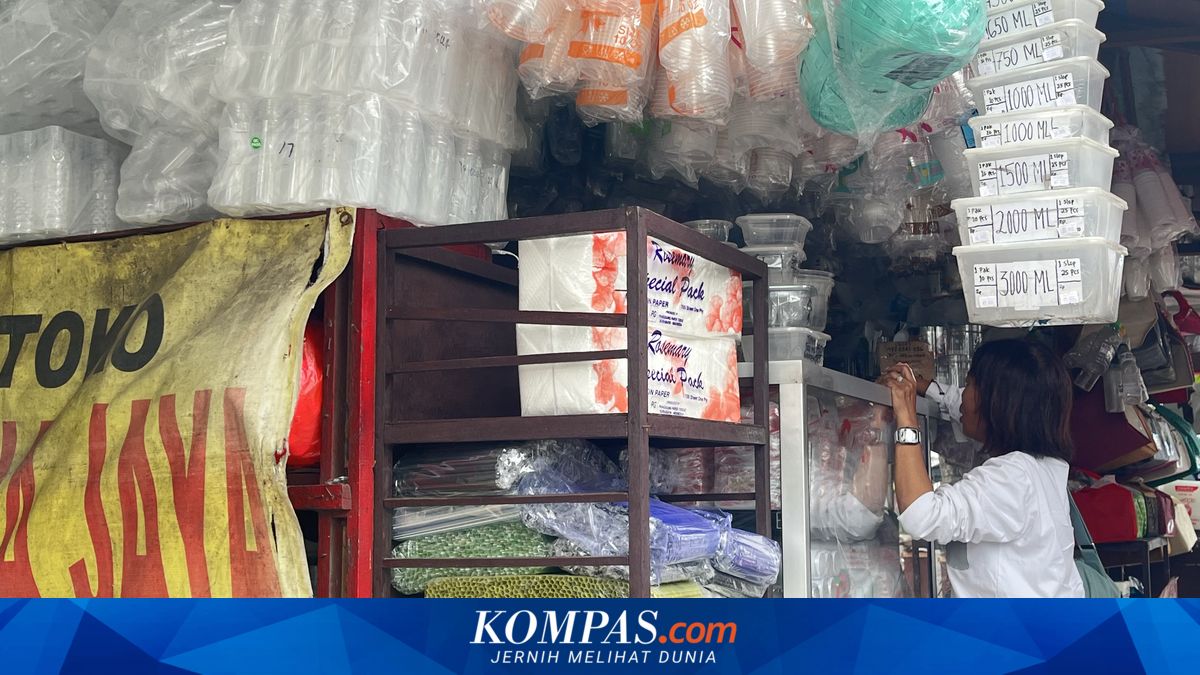
JAKARTA, KOMPAS.com – Not only in Indonesia, global plastic prices have experienced a sharp surge in the last few weeks.
The rise in plastic prices is driven by a combination of raw material supply disruptions, increasing energy costs, and the impact of geopolitical conflicts in the Middle East.
The increase in plastic prices is not limited to one region but is global in nature and has widespread effects on the manufacturing industry to consumer goods.
MIT Technology Review notes that plastic production currently contributes around 5 percent of global carbon dioxide emissions. This shows the close interconnection between the plastics industry and the fossil fuel-based energy sector.
In everyday life, plastic use is very widespread, from clothing fibres, electronic devices, to household appliances. This dependence means that fluctuations in energy prices directly affect plastic production costs.
The surge in plastic prices is inseparable from the Iran conflict, which disrupts global energy distribution, especially in the Strait of Hormuz.
Around 20 billion USD to 25 billion USD in petrochemical products pass through the Strait of Hormuz every year, equivalent to approximately Rp 341.96 trillion to Rp 427.45 trillion (assuming an exchange rate of Rp 17,098 per USD).
“Anyone importing from the Middle East, which basically covers almost everyone around the world, has lost a major supplier and must work hard to find replacement resins at much higher prices,” said Joel Morales from Chemical Market Analytics by OPIS.
In addition, the Middle East contributes more than 40 percent of global polyethylene exports in 2025 and supplies nearly the entire region outside North America.
This increase directly impacts petrochemical raw materials, including naphtha, which is used to produce plastic.
The closure of the Strait of Hormuz is estimated to disrupt around 1.2 million barrels per day (bpd) of global naphtha exports, thereby tightening the supply of raw materials for the petrochemical industry.