
Global Oil Supply Plentiful Amid Middle East Conflict Escalation
Global oil supply remains abundant despite the escalation of the Middle East conflict, said Fatih Birol, head of the International Energy Agency (IEA), seeking to calm fears of a global oil crisis amid the closure of the Hormuz Strait. He stressed that there is ‘a lot of oil in the market’, even as tensions mount. The war between the United States and Israel against Iran, accompanied by Tehran’s retaliatory strikes in the Gulf region, has driven crude prices higher, fueling concerns about renewed inflation and a significant hit to the global economy. Birol acknowledged that logistical disruptions arising from the conflict pose challenges for many countries. However, he reassured that the supply of oil in the global market remains more than adequate. Regarding the possibility of releasing emergency reserves, Birol said that all options are on the table. Nevertheless, he emphasised that there are no plans at this stage for a co-ordinated action. ‘There is a lot of oil, we are not experiencing a shortage of oil. There is a large surplus in the market,’ Birol told AFP. He added that the current situation is more a matter of technical delivery bottlenecks: ‘We are facing a temporary disruption, a logistic disruption.’
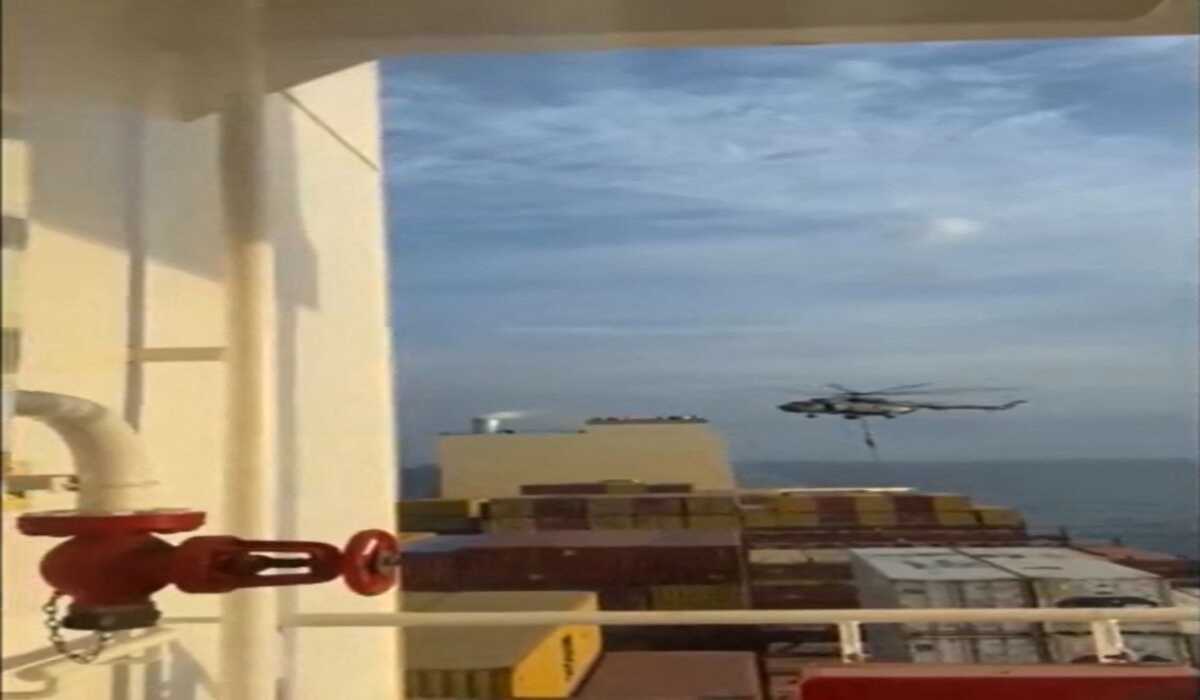
Although Iran has not formally sealed off the Hormuz Strait, the crucial route for a fifth of global oil supplies and a substantial share of gas, shipping activity on the waterway has reportedly slumped almost to a halt. Earlier this week, U.S. President Donald Trump pledged to protect ships passing through, but oil prices remained elevated. Crude futures have climbed by around a fifth since February 27, the day before the attacks began. The IEA was formed to coordinate responses to major supply disruptions following the 1973 oil crisis. In making this statement Birol urged markets to remain calm amid the recent price volatility. (H-4)
The Indonesian House of Representatives expressed its support for measures by the Energy and Mineral Resources Ministry (ESDM) to mitigate potential disruptions to oil supply. Bahlil Lahadalia said the government plans to increase national petrol storage capacity from around 25-26 days to 90 days, or about three months. Apindo’s Shinta Widjaja Kamdani warned that the risk of a US strike against Iran stems not only from market sentiment but also from potential disruptions to energy and global trade routes. Oil and gas practitioner Hadi Ismoyo assessed that a US-Venezuela confrontation would not alter global oil trade routes or push up global oil prices. Analysis of a US invasion of Venezuela: Trump to arrest Maduro to gain control of oil and strategic territory. The Monroe Doctrine revival could trigger global tensions and domestic protests. Tensions between the US and Cuba peaked, as President Miguel Díaz-Canel rejected Donald Trump’s demands to negotiate and asserted Cuba’s sovereignty.