
Global Oil Prices Weaken After US Considers Releasing Sanctioned Iranian Oil
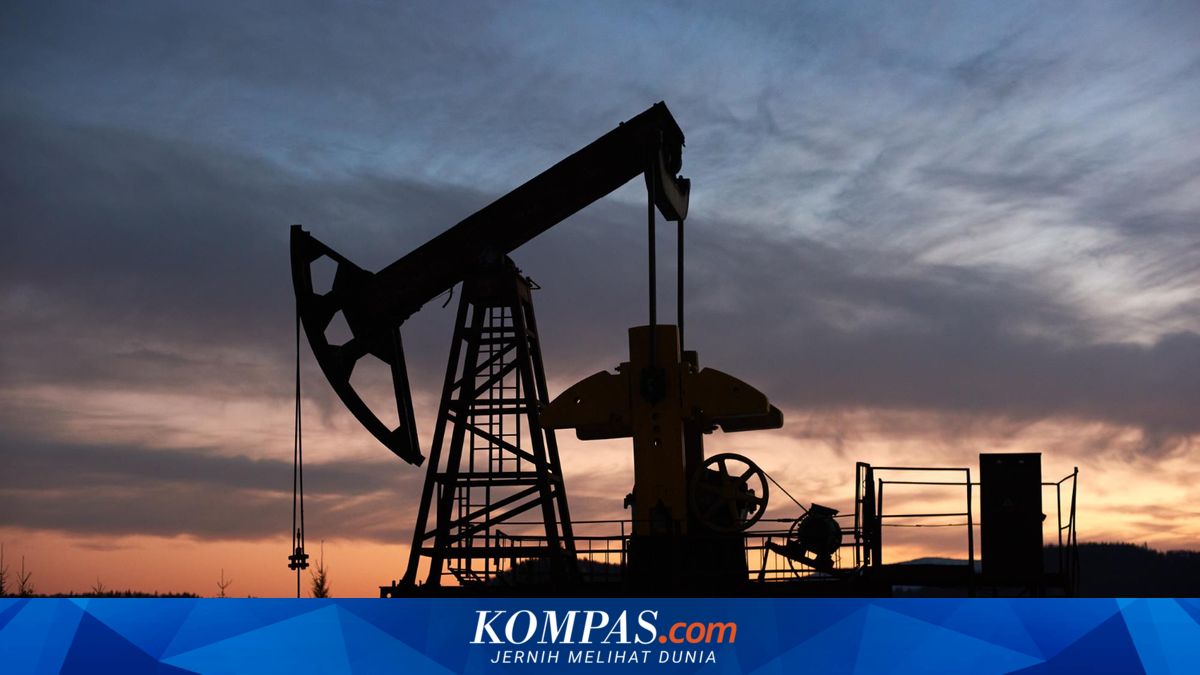
Global oil prices weakened after the United States government considered releasing Iranian crude oil, which has been subject to sanctions, onto the global market. This step is viewed as an effort to dampen the surge in energy prices triggered by conflicts in the Middle East.
US Treasury Secretary Scott Bessent stated that Washington is reviewing the lifting of sanctions on Iranian oil currently stored in tanker ships. The volume of this oil is estimated at around 140 million barrels.
“In the coming days, we may lift sanctions on Iranian oil at sea, about 140 million barrels,” Bessent said in an interview with Fox Business Network.
Quoted from CNBC on Friday (20/3/2026), the price of Brent crude, the global benchmark, fell 2% to $106 per barrel. Meanwhile, the US oil price corrected by 1.56% to $94.64 per barrel.
This decline occurred after oil prices had previously surged up to 3% on Thursday (19/3/2026).
The increase was triggered by Iran’s attacks on several energy facilities in the Middle East, following an attack on Iran’s South Pars gas field.
The Strait of Hormuz is a vital route for global oil distribution. Its previous closure raised market concerns about disruptions to global supply.
Netanyahu also claimed that Iran no longer has the capability to enrich uranium or produce ballistic missiles. He assessed that the conflict could end sooner than expected.
Amid the ongoing tensions, Citigroup raised its short-term oil price projections.
The bank estimated that Brent and WTI oil prices could reach $120 per barrel in the next one to three months. Even in a worst-case scenario, prices could surge to $150 per barrel if supply disruptions worsen.
Additionally, Citi noted that the price spread between Brent and WTI has widened sharply. This condition reflects rising shipping costs and high demand in the US Gulf Coast region.
Meanwhile, a Wall Street Journal report stated that Saudi oil officials estimate oil prices could exceed $180 per barrel.
Such a surge could occur if supply disruptions due to the Iran conflict continue until the end of April.