
Global Oil Prices Surge Towards US$100 as IEA and US Release Hundreds of Millions of Barrels
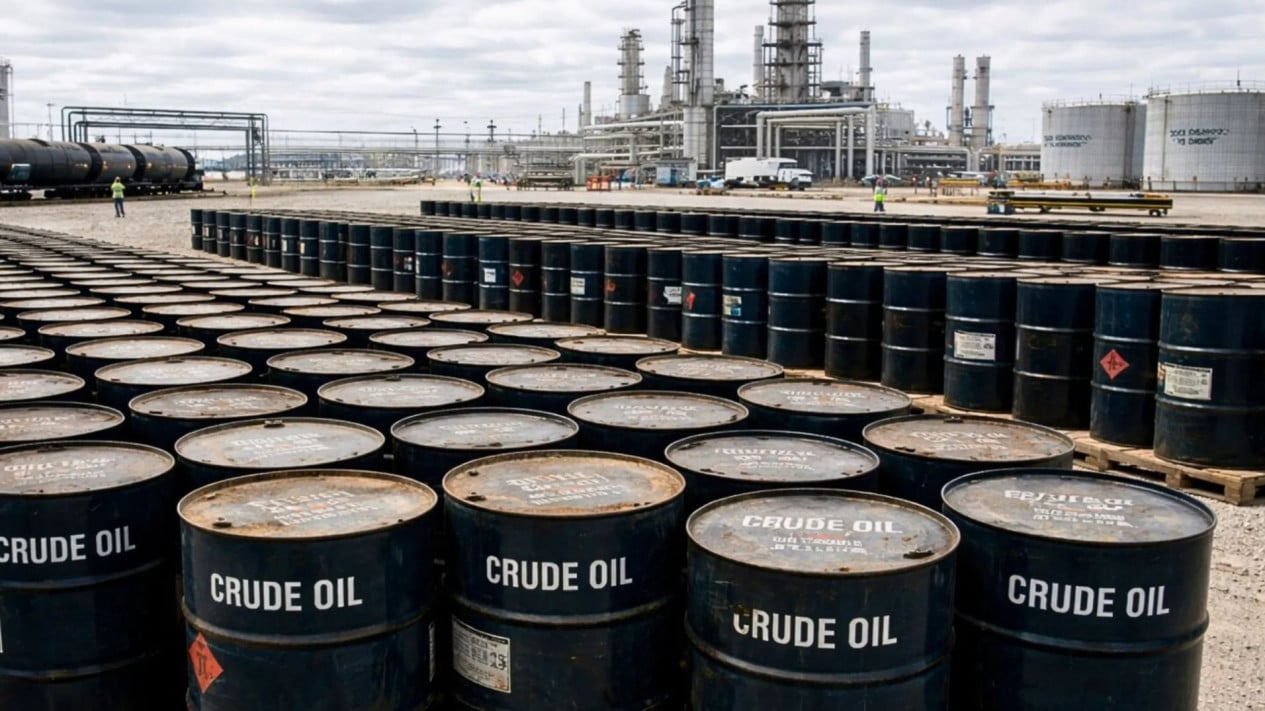
Global crude oil prices surged more than 7 percent in trading on Thursday, 12 March 2026. The increase reflected market participants’ scepticism that emergency crude reserves releases by developed nations would be sufficient to meet global demand given ongoing supply disruptions caused by conflict in the Middle East.
According to CNBC International, West Texas Intermediate (WTI) crude oil prices jumped 7.5 percent to approximately US$93.8 per barrel, equivalent to around Rp1,585,717 per barrel at an estimated exchange rate of Rp16,910 per US dollar. Meanwhile, Brent Crude oil rose approximately 7.7 percent to US$99.1 per barrel, or around Rp1,675,315.23 per barrel.
The surge in energy prices followed an announcement by the International Energy Agency (IEA) that it would release the largest emergency oil reserves in its history. A total of 32 IEA member states agreed to release approximately 400 million barrels of oil, marking the largest coordinated withdrawal since the agency was established following the oil embargo crisis in 1973.
Simultaneously, the United States announced it would release 172 million barrels of crude oil from the Strategic Petroleum Reserve. US Energy Secretary Chris Wright stated that oil shipments from the United States would commence shortly to help ease energy price volatility in global markets.
Energy analyst Saul Kavonic at MST Marquee noted that the IEA’s strategic stock release broke records but would only cover approximately one-quarter of the 20 million barrels per day supply requirement. He stated that the decision to tap strategic crude reserves reflected the high risk of a global oil shortage.
“The IEA does not believe the conflict will end soon, and the stock withdrawal now will need to be replenished later, indicating higher prices even after the war ends,” Kavonic stated.
This has left market participants anxious as they assess whether the reserves are sufficient to offset potential supply disruptions in the Strait of Hormuz resulting from the prolonged conflict in the Middle East region.
“Four hundred million is a large number, but this is the largest oil supply disruption at least since the 1970s, so we need a lot of oil and we need it quickly,” said Pavel Molchanov, Senior Investment Strategist at Raymond James.