
Global Oil Prices Surge Following IRGC Attack: What Will Happen to Indonesia's Fuel Subsidies?
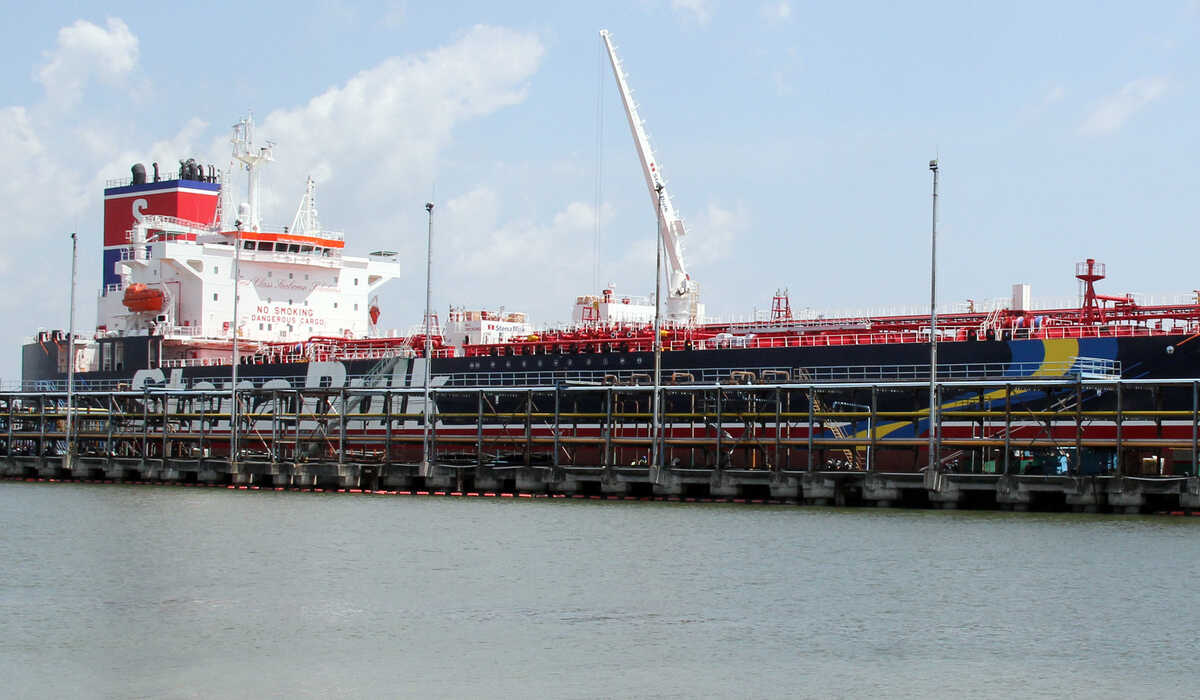
Military escalation in the Strait of Hormuz following an attack by the Islamic Revolutionary Guard Corps (IRGC) on a United States tanker continues to unsettle global energy markets. As of Friday 6 March 2026, international oil prices remained high, exerting heavy pressure on Indonesia’s fiscal resilience.
According to latest market data, Brent crude traded around US$84.22 per barrel. Although there was a technical pullback from yesterday’s close of US$85.41, the level remains well above the ICP assumption in the 2026 state budget (APBN) of US$70 per barrel.
This situation is exacerbated by a weakening rupiah. Early in the morning, the rupiah stood at Rp16,925 per US dollar, approaching the psychological level of Rp17,000. The depreciation stems from global investors seeking safe-haven assets, particularly the US dollar, amid Middle East tensions.
Energy and Mineral Resources Minister Bahlil Lahadalia emphasised that the government has no immediate plan to raise the price of subsidised fuels such as Pertalite and Biosolar. ‘For subsidised fuels, whatever the rise in global oil prices, the price remains the same until there is a new policy from the government. We are calculating the difference carefully,’ he said in a statement in Jakarta. He noted national fuel stockpiles are claimed to be secure for 20 days, sufficient to cover needs until the 2026 Ramadan period.
However, the outlook for non-subsidised fuels such as Pertamax and Pertamax Turbo is different. The prices of these fuels are expected to remain volatile and could rise in the near term, in line with global crude price fluctuations and the weaker rupiah.
Even if subsidised fuel prices have not yet increased, economists warn of a domino effect. Higher international logistics costs resulting from rerouting ships after the Hormuz blockade to the Cape of Good Hope (Africa) could push up the price of imports and industrial inputs domestically.
The government is preparing mitigation scenarios should the Middle East conflict, i.e., the US–Israel–Iran dispute, widen beyond six months. This includes seeking alternative oil supplies from Africa, Brazil, and the United States to reduce dependence on the Hormuz route.
Parliament affirmed its support for the Energy and Resources Ministry (ESDM) in mitigating potential disruptions to oil supply. The government also decided to place discussions on participation in the Board of Peace (BOP) mechanism on hold.
Mohammad Faisal, Executive Director of Core, urged the public not to engage in panic buying of petroleum products amid rising geopolitical tensions.