
Global Oil Prices Surge 10% Following Tanker Attacks in the Strait of Hormuz
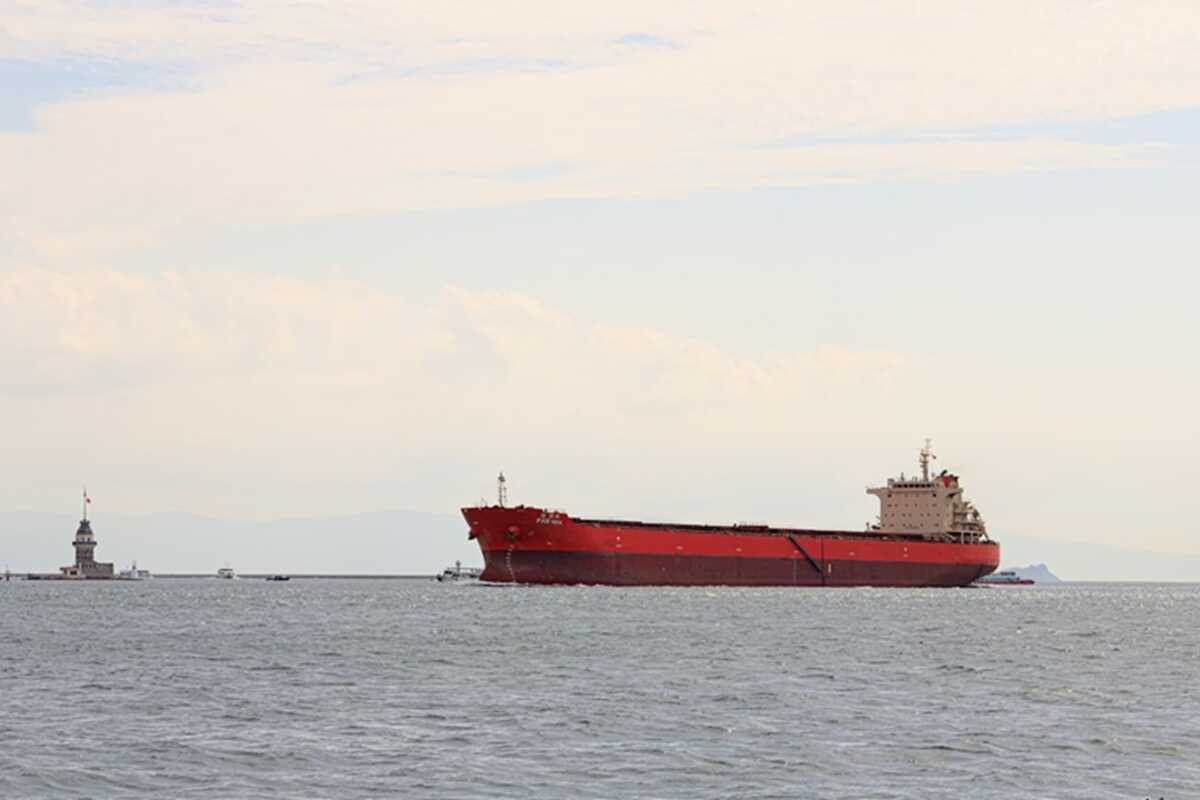
Global oil prices experienced a sharp surge following reports of attacks on at least three vessels near the Strait of Hormuz. The incident occurred amid a series of retaliatory strikes launched by Iran across various regions in the Middle East in response to attacks by the United States and Israel.
The UK Maritime Trade Operations Centre (UKMTO) reported that two vessels sustained direct hits, whilst an “unidentified projectile” exploded in very close proximity to a third vessel. Iran itself has issued stern warnings to ships not to transit through the strait, which is a conduit for approximately 20% of global oil and gas supplies.
In early Asian trading on Monday (2 March 2026), global oil prices surged more than 10% before moderating slightly. At 02:00 GMT, Brent crude rose more than 4% to US$76.16 per barrel, whilst US crude climbed approximately 4% to US$69.67.
“The market is not panicking,” said Saul Kavonic, head of energy research at MST Research, speaking to the BBC. “There is further clarity that so far, oil transportation and production infrastructure has not been the main target of either side.”
However, analysts have cautioned that if the conflict persists, oil prices could breach US$100 per barrel. Edmund King, President of the AA, also warned of real-world impacts on consumers.
“Turmoil and bombing across the Middle East will certainly be a catalyst that disrupts global oil distribution, which will inevitably trigger fuel price increases,” King stated. “The magnitude and duration of price increases at the petrol pump will depend on how long this conflict lasts.”
Data from ship-tracking platform Kpler revealed that at least 150 tanker vessels have chosen to drop anchor in open waters outside the Strait of Hormuz. “Due to Iranian threats, the strait is effectively closed,” said Homayoun Falakshahi from Kpler. “Vessels are taking precautionary measures not to enter because the risks are too high and their insurance costs have surged dramatically.”
Iran’s Islamic Revolutionary Guard Corps (IRGC) claimed that three British and American tanker vessels had “been struck by missiles and caught fire.” Neither the British nor American authorities have provided official comment regarding these claims.
The situation in the region has become increasingly uncertain following the death of Iran’s Supreme Leader, Ayatollah Ali Khamenei, as a result of US-Israeli attacks on Saturday. Retaliatory strikes have been reported in several countries, including Dubai (UAE), Doha (Qatar), Bahrain, and Kuwait.
In anticipation, the OPEC+ group of oil-producing nations has agreed to increase production by 206,000 barrels per day to dampen price increases. Meanwhile, major shipping company Maersk announced a halt to services through the Strait of Bab el-Mandeb and the Suez Canal, diverting its vessels around the Cape of Good Hope instead.
The Strait of Hormuz has again become a focal point following the International Maritime Organization (IMO) issuing formal guidance to the global shipping community. The strait is the world’s most strategic oil route, with 20 million barrels of oil flowing through it daily.