
Global Oil Prices Rise as Iran Rejects Peace with the US
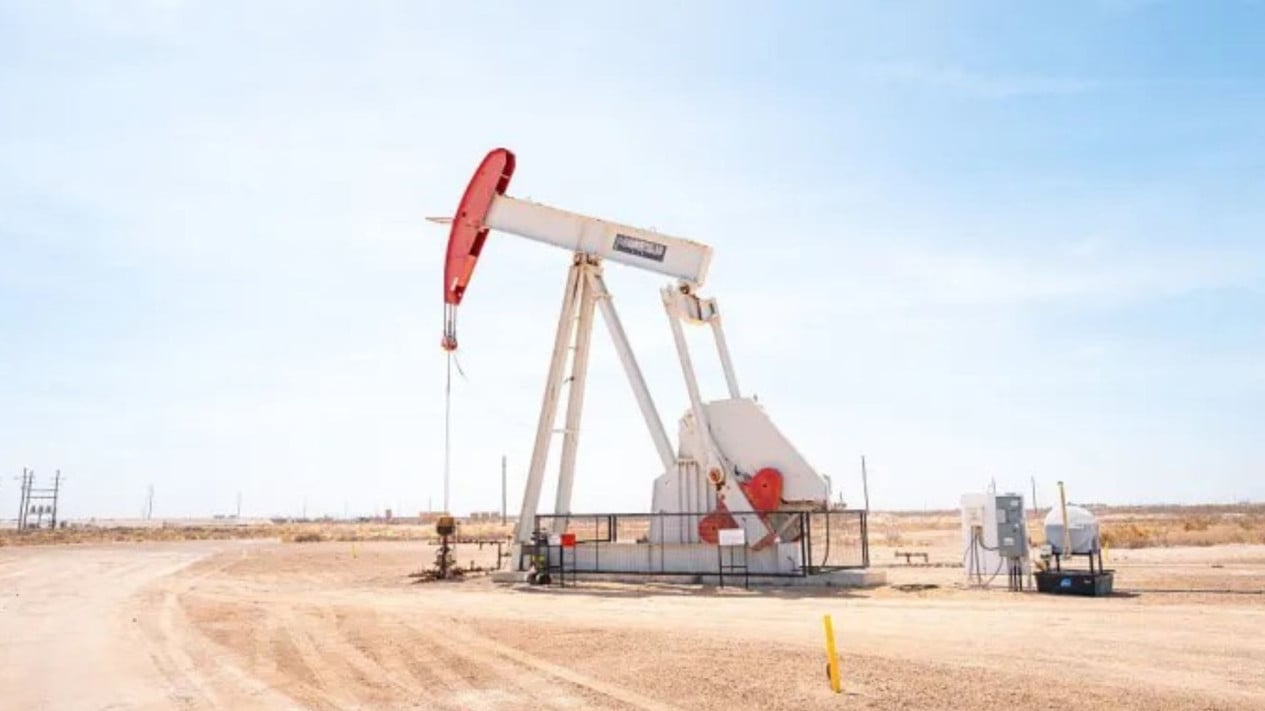
Global crude oil prices recovered, following the upward movement in world gold prices. The increase occurred amid rising geopolitical tensions as Iran signalled no intention to engage in discussions to end the war with the United States.
Brent crude, the international benchmark, rose 3.8% to US$106.12, or approximately Rp 1.79 million (based on an estimated exchange rate of Rp 16,910 per US dollar), per barrel during Thursday’s trading session on 26 March 2026. West Texas Intermediate (WTI) crude also recorded a sharp surge of 3.6% to US$93.61, or about Rp 1.58 million per barrel.
According to CNBC International, the rise in global oil prices was triggered by a statement from Iran’s Foreign Minister, Abbas Araghchi, who emphasised that communication through mediators cannot be interpreted as direct negotiations with the US. Iranian state media also reported that Tehran plans to reject Washington’s ceasefire offer and has prepared its own set of conditions to end the conflict.
“Exchanging messages through mediators does not mean ‘negotiating with the United States’,” Araghchi said, as reported by local Iranian media.
Araghchi’s statement underscores the differing positions between the two countries. US President Donald Trump had previously claimed that Washington and Tehran were in the process of negotiations.
“We are negotiating right now,” Trump stated.
Trump also mentioned that he had withheld plans for strikes against Iranian energy infrastructure in connection with the ongoing negotiations. However, Iran has consistently denied any direct talks with the US, thereby increasing uncertainty in the global energy market.
Analysts from TD Securities assess that the oil price surge due to this conflict is unlikely to prompt an aggressive response from the US Federal Reserve. According to them, although markets are beginning to factor in potential interest rate hikes due to rising inflation expectations, the Fed is likely to remain cautious (hawkish).
“The Fed will look through this energy price shock as long as long-term inflation expectations remain anchored and the pass-through effects remain contained,” the TD Securities analysts wrote.
The investment bank also believes the Fed is inclined to adopt a wait-and-see stance, with policy direction still leaning towards rate cuts in the second half of 2026.
This situation indicates that although energy prices are soaring due to geopolitical conflict, global monetary policy responses are not necessarily set to change dramatically in the near term.