
Global Oil Prices Rise Again Amid Risks of Supply Disruptions
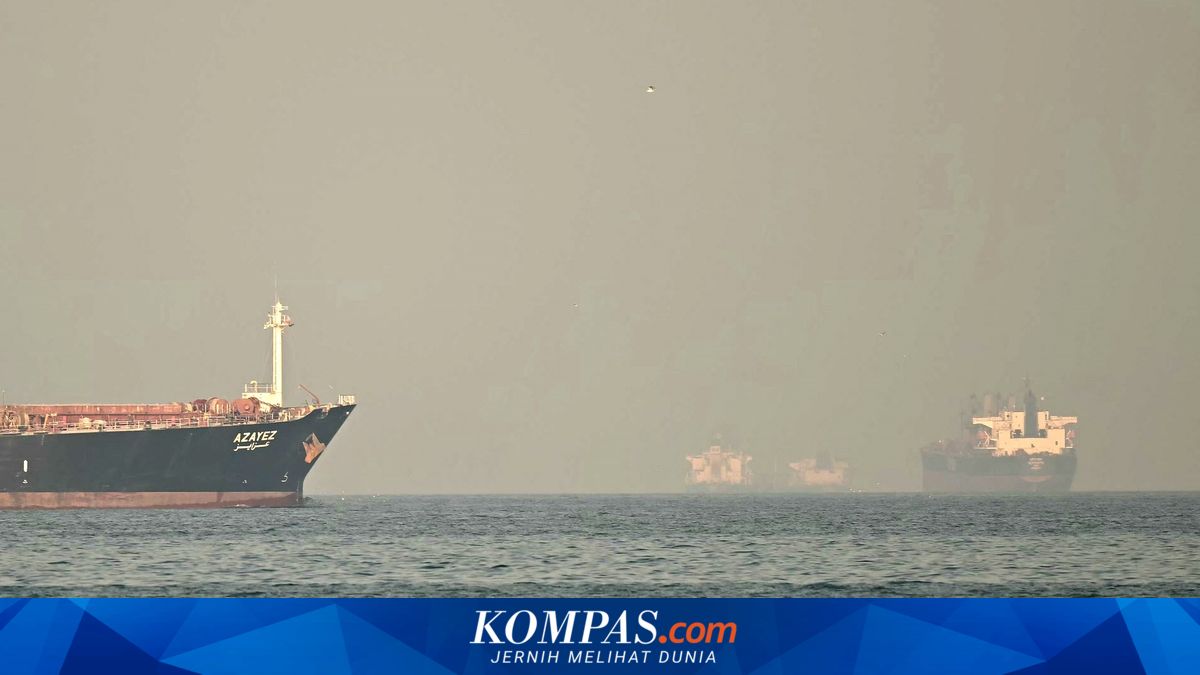
Global oil prices rose on Friday (24/4/2026) amid increasing tensions in the Middle East, following Iran’s military actions in the Strait of Hormuz and its air defence activities. Citing Reuters, Brent crude futures climbed 99 cents, or 0.94 per cent, to $106.06 per barrel at 04:10 GMT. Meanwhile, West Texas Intermediate (WTI) crude strengthened by 71 cents, or 0.73 per cent, to $96.56 per barrel. On a weekly basis, Brent surged 17.13 per cent and WTI rose 15.13 per cent. This oil price increase is the second largest since the war began. On Thursday’s trading (23/4/2026), both oil benchmarks closed higher by more than 3 per cent, even surging up to $5 per barrel at one point. The rise in oil prices was triggered by reports of Iran’s air defence system engaging attacks over Tehran territory, as well as news of a power struggle between hardline and moderate groups domestically. US President Donald Trump stated that Iran may have bolstered its arsenal during the two-week ceasefire period. Nevertheless, he affirmed that the US military could neutralise those forces in just one day. If talks between the US and Iran fail to make significant progress by the end of April and fighting resumes, oil prices could reach new highs for the year. Iran had previously uploaded a video showing commando forces boarding a cargo ship using speedboats, shortly after peace talks collapsed. This move reaffirms Iran’s control over the Strait of Hormuz, which handles around 20 per cent of global oil and gas flows. Amid efforts by various countries to seek a long-term peaceful solution, Trump stated he would not set a deadline to end the conflict with Iran. He emphasised his desire to achieve a “big deal”. According to Mingyu Gao, head of energy and chemicals research at China Futures, prolonged disruptions in the Strait of Hormuz could push global crude oil and refined product inventories below the five-year seasonal average by late May or early June. This situation could add a supply risk premium to oil prices. On the other hand, Trump also announced that Israel and Lebanon have agreed to extend the ceasefire for three weeks following high-level talks at the White House. The United States is said to assist Lebanon in strengthening defences against Hezbollah. However, prior to that announcement, Israel had warned of readiness to continue attacks against Iran, indicating that geopolitical tensions in the region remain high.