
Global Oil Prices Plunge After US Signals Lifting Sanctions on Tankers in Strait of Hormuz
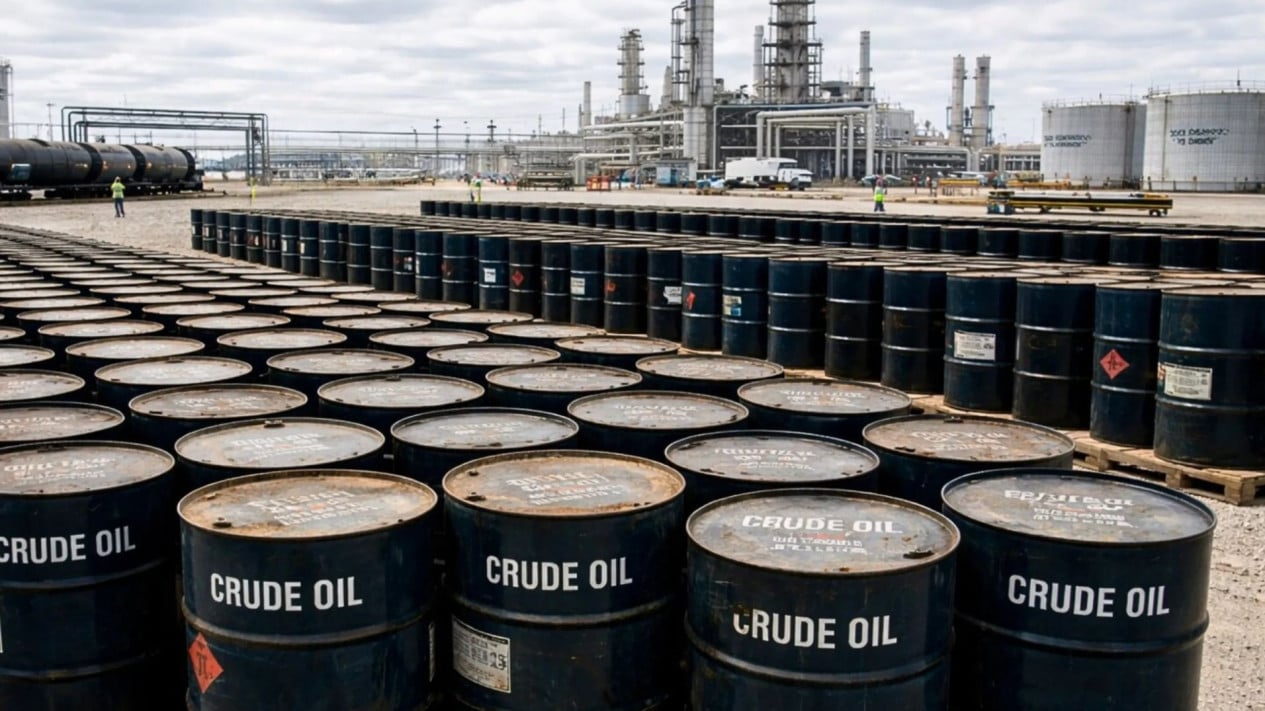
Global oil prices continued their correction trend into Friday’s trading session, 20 March 2026. The sentiment stemmed from a statement by US Treasury Secretary Scott Bessent, which was seen as triggering volatility in the global energy market. Bessent stated that the White House is considering promptly lifting sanctions and allowing tankers carrying oil reserves to resume operations. This policy aims to reduce price pressures following Iran’s closure of the Strait of Hormuz. “In the coming days, we may lift sanctions on Iranian oil at sea, around 140 million barrels,” Bessent said, quoted from CNBC International on Friday, 20 March 2026. Bessent added that lifting sanctions on these tankers could help curb the short-term spike in oil prices, particularly over the next 10 to 14 days. The US strategy to provide a boost to the energy sector appears to have succeeded. Brent crude prices fell 1.62% to US$106.89, or approximately Rp1,809,540.81 (based on an exchange rate estimate of Rp16,930) per barrel. Similarly, US crude oil (WTI) declined 1.89% to US$94.32, or around Rp1,596,743.28 per barrel. The conflict in the Middle East remains the primary factor driving the surge in energy prices. Iran’s previous closure of the Strait of Hormuz disrupted about 20% of global oil supplies, triggering the price increase. Israeli Prime Minister Benjamin Netanyahu stated that his side is assisting US efforts to reopen this vital route. He also claimed that Iran’s capabilities in enriching uranium and producing ballistic missiles have weakened, suggesting the conflict could end sooner than expected. Global financial institution Citigroup (Citi) has raised its short-term oil price projections. Citi estimates that Brent and WTI prices could breach US$120 per barrel in one to three months and potentially surge to US$150 per barrel in the worst-case scenario if supply disruptions continue. In line with this, Saudi Arabian oil officials predict oil prices could soar above US$180 per barrel, especially if disruptions from the Iran war persist until the end of April.