
Global Oil Prices Plunge 10 Percent After Strait of Hormuz Reopens
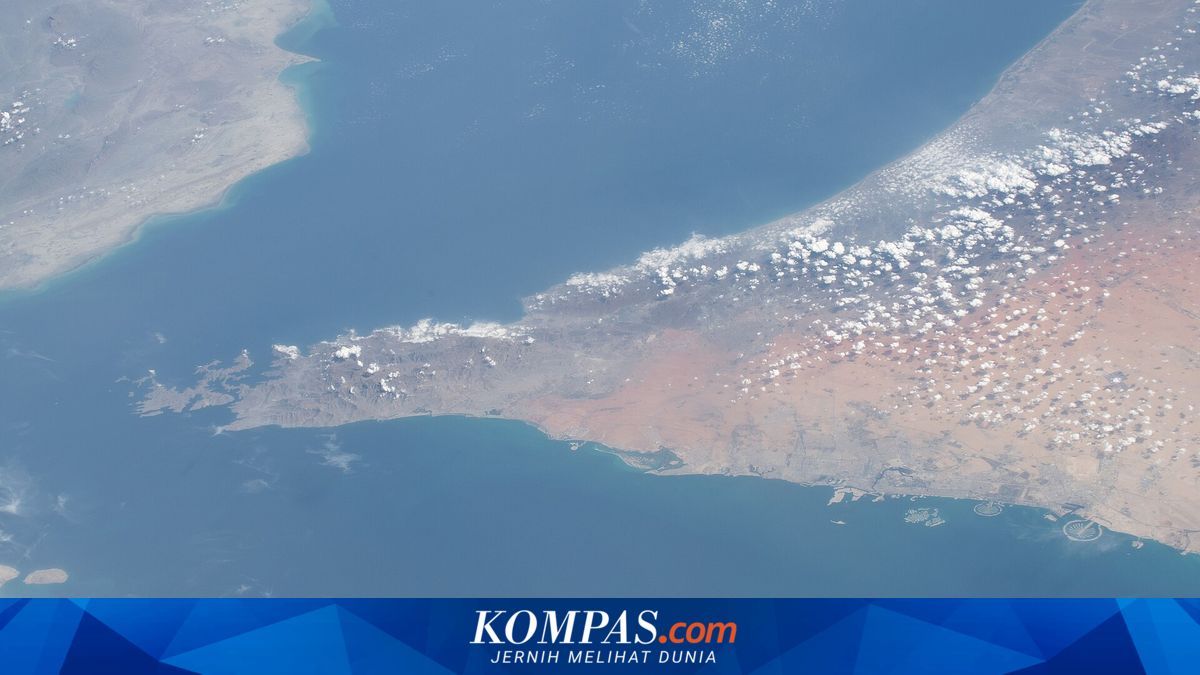
JAKARTA — Global oil prices experienced a sharp decline of more than 10 percent on Friday (17/4/2026). This occurred alongside the easing of market concerns over global supply disruptions after the Strait of Hormuz was declared open again for commercial shipping. The drop in global oil prices followed statements from United States President Donald Trump and Iranian authorities indicating that the strategic route is now passable by oil tankers once more. The market response was swift. According to The Guardian, Brent crude oil prices were reported to have fallen below $90 US per barrel, while US crude oil (WTI) also declined significantly. This downturn reflects a shift in market sentiment from fears of supply disruptions to expectations of a return to normal global energy distribution, albeit temporarily. The Strait of Hormuz is one of the most strategic shipping routes in global energy trade. Approximately 20 percent of the world’s seaborne oil supply passes through this route daily. The closure or restriction of access to the Strait of Hormuz triggered a surge in oil prices that breached $100 US per barrel, even reaching around $126 US at its peak. That disruption was described as one of the largest energy supply interruptions since the 1970s oil crisis, with widespread impacts on global inflation, energy costs, and the economic stability of various oil-importing countries. With the reopening of this route, the market immediately responded by reducing the risk premium that had previously been embedded in oil prices. In his statement, Araghchi emphasised that the opening of the shipping route was “in accordance with the ceasefire in Lebanon” and would apply for the duration of the ceasefire period. Trump also stated that the Strait of Hormuz is now “open and fully ready to be traversed,” signalling that the route can once again be used by commercial vessels. Nevertheless, this situation does not fully reflect long-term stability. The US continues to maintain a blockade on Iranian ports, while security aspects in the region remain a concern for market players.