
Global Oil Prices Hit US$120 per Barrel as US-Iran Negotiations Stall
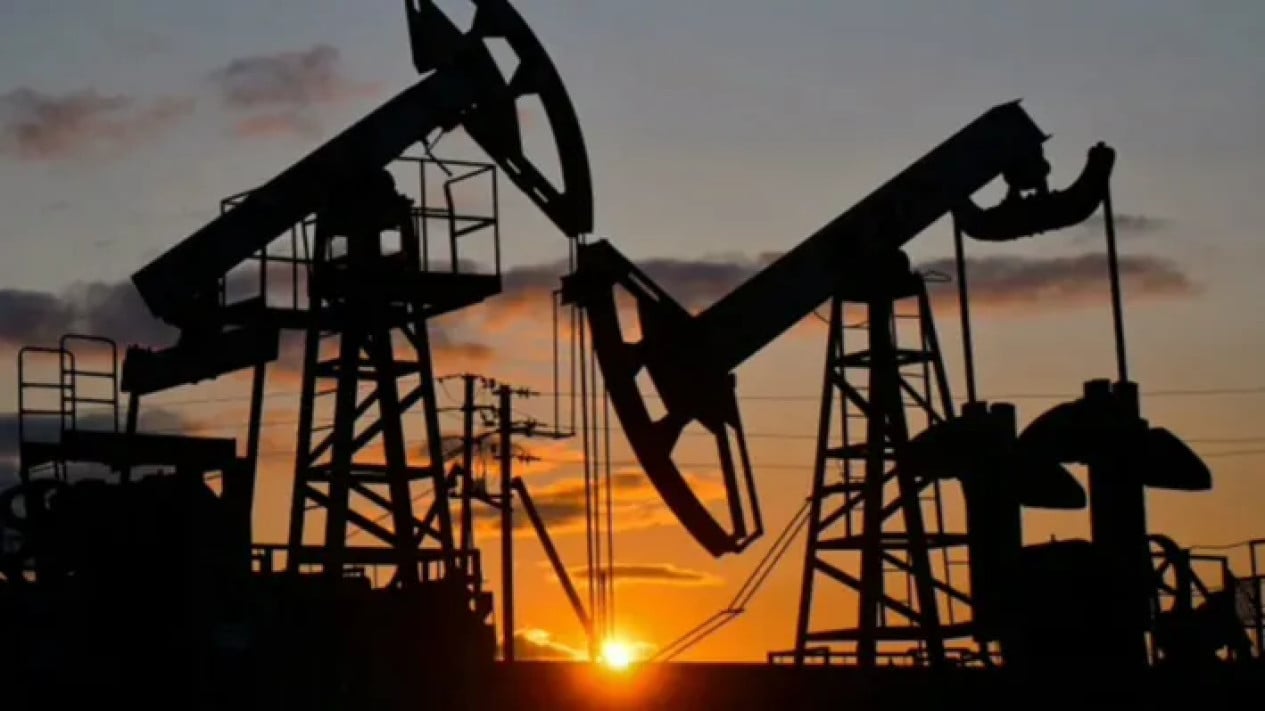
Global oil prices shocked the market with a drastic surge on Thursday morning Asian trading time, 30 April 2026. The sharp rise in global energy prices was triggered by the stalled negotiations between the United States (US) and Iran.
US President Donald Trump reportedly rejected Iran’s proposal to reopen the Strait of Hormuz. This rejection indicates the possibility of a continued blockade against Iran until a nuclear agreement is reached between the two countries.
Trump threatened Iran via a post on Truth Social on Wednesday, 29 April 2026. He wrote that Iran should quickly come to its senses and take serious steps in negotiations, while posting an AI-generated image showing himself holding a weapon against a backdrop of explosions with the caption “NO MORE MR. NICE GUY!”
“Iran is not good at this. They don’t know how to sign a non-nuclear deal. They had better get smart soon!” Trump said, as quoted from CNBC International on Thursday, 30 April 2026.
The Brent crude futures price for June delivery rose 1.96 percent to reach US$120, or approximately Rp2.08 million (estimated exchange rate of Rp17,380 per US dollar) per barrel. The US benchmark crude price, West Texas Intermediate (WTI), rose slightly 0.2 percent to US$107.09, or about Rp1.86 million per barrel.
LSEG data shows that Brent crude prices have surged to the highest level since mid-2022. The driver is none other than the conflict in the Middle East choking international energy supplies.
In Wednesday’s trading session, 29 April 2026, Brent oil had already jumped around 6 percent. Similarly, WTI prices soared 7 percent right after a Wall Street Journal report revealed that Trump had instructed his officials to prepare for a prolonged Iran blockade scenario.
Goldman Sachs analysts estimate that oil export flows through the Strait of Hormuz will drop drastically to around 4 percent of normal levels. They assess that this situation tightens global supply amid the stalled US-Iran negotiations and limited oil storage capacity.
The bank also highlighted that disruptions to Iran’s exports could deepen further if the blockade continues. Meanwhile, the impact on the United Arab Emirates (UAE) after exiting OPEC is estimated to occur only in the medium term.