
Global oil prices fall 10 per cent after breaching US$100 as Trump threatens Iran
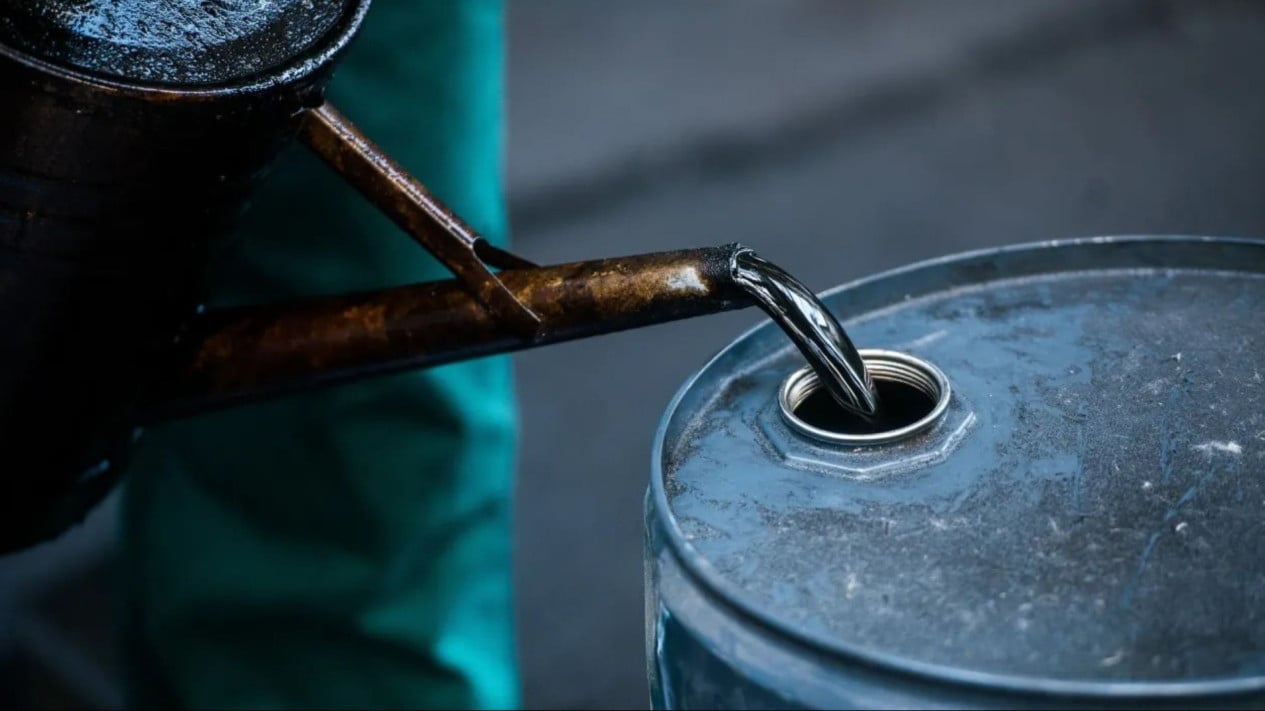
Global crude oil prices collapsed sharply, down more than 10 per cent in early Asian trading on Tuesday, 10 March 2026. Brent crude fell 10 per cent to US$89.03 per barrel, whilst US crude declined more than 9 per cent to US$86.05 per barrel.
The correction followed a dramatic surge the previous day when oil prices breached US$100, even approaching US$120 per barrel. Market anxiety had been driven by concerns that escalating conflict between the United States and Israel against Iran could disrupt global energy supplies, particularly given Iranian threats to close the Strait of Hormuz.
However, market sentiment reversed sharply after US President Donald Trump issued a stern warning to Iran. “If Iran does something that stops the flow of oil through the Strait of Hormuz, they will be hit by the US twenty times harder than has happened so far,” Trump stated via social media on Tuesday, 10 March 2026.
The Strait of Hormuz remains a critical chokepoint, through which approximately one-fifth of global oil trade passes. Any disruption in this narrow shipping corridor could trigger severe shocks to global energy markets.
Alberto Bellorin, an analyst at InterCapital Energy, characterised the current energy market as caught between powerful competing forces—geopolitical risk on one hand and hopes for de-escalation on the other. “Oil trading will remain highly volatile, with prices likely surging if conflict escalates and declining if it appears to ease,” Bellorin said.
The Group of Seven (G7) announced its readiness to take measures to secure global energy supplies. G7 leaders met with the International Energy Agency to discuss the potential release of strategic petroleum reserves as a backstop against further price increases.