
Global Oil Prices Could Surge; Government Advised to Reallocate Budget
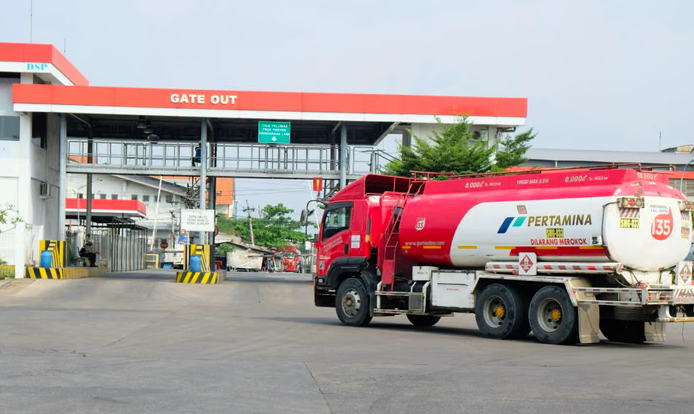
The Executive Director of the Center of Economics and Law Studies (CELIOS), Bhima Yudhistira, has recommended that the government reallocate spending across multiple programmes to address mounting pressure from rising global oil prices resulting from the Iran-US-Israel conflict, rather than increase subsidised fuel prices to ease fiscal pressure.
According to Bhima, reallocation represents a preferable approach to raising subsidised fuel prices in order to mitigate fiscal strain. “Do not increase fuel prices; the public is not prepared. Instead, quickly undertake budget reallocation,” Bhima stated when contacted by ANTARA in Jakarta on Monday (9 March).
Should oil prices breach $120 per barrel, the budget deficit for 2026 could widen to 3.6% of gross domestic product (GDP) due to an additional burden of approximately Rp340 trillion. If the conflict persists for more than a month and the government does not increase energy subsidies and compensation to PT Pertamina (Persero), fuel price increases would become the next option, according to Bhima.
Should fuel prices rise, food inflation could surge and reduce consumption among lower and lower-middle income populations. With limited fiscal space, Bhima recommended that the government adjust spending on three programmes: the Free Nutritious Meals programme (MBG), the Red-and-White Village/Neighbourhood Cooperatives, and the food estate project.
Regarding the MBG specifically, Bhima suggested that scrutiny from global rating agencies Fitch Ratings and Moody’s Investors Service could provide justification for cutting the programme’s budget. Bhima also argued that the government should promptly discuss budget adjustments with Parliament to mitigate the impact of oil price volatility on fiscal space.
Finance Minister Purbaya Yudhi Sadewa has allocated one month to evaluate potential budget adjustments. To date, Purbaya believes that average crude oil price developments remain below the APBN’s maximum capacity. He has ruled out immediate plans to increase subsidised fuel prices amid rising global oil prices, maintaining that fiscal space remains sufficient to absorb current market volatility.