
Global Oil Prices Could Breach US$130 per Barrel if Middle East Conflict Escalates
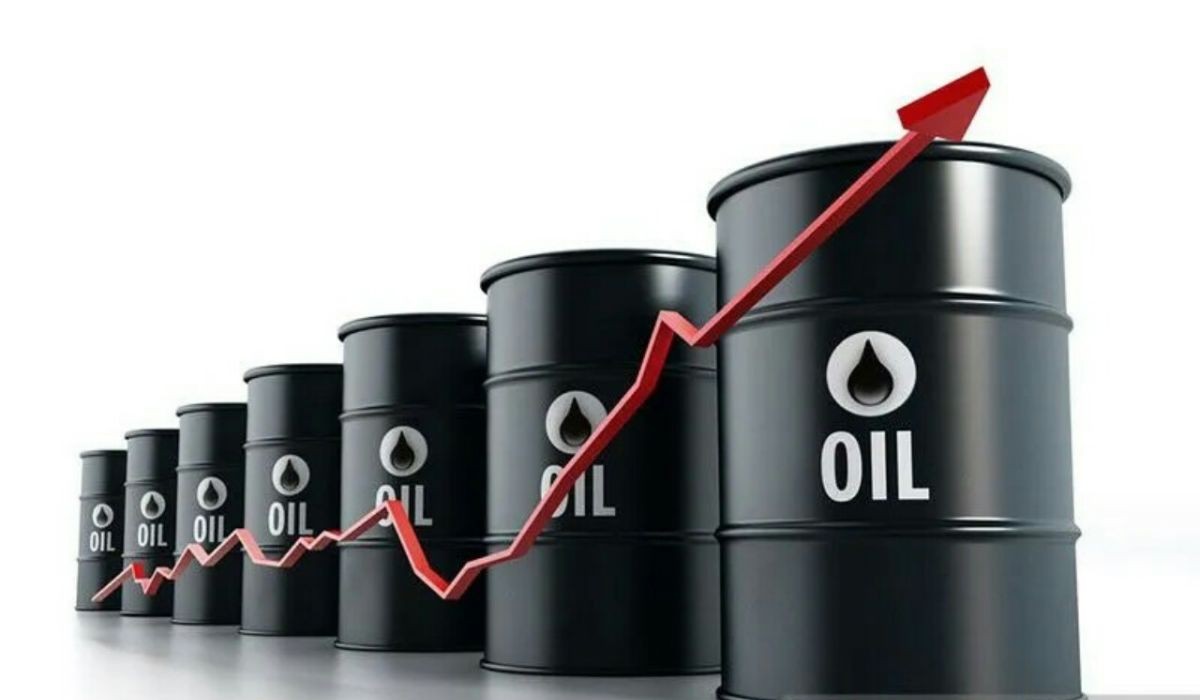
Energy expert from Padjadjaran University, Yayan Satyakti, estimates that global oil prices still have the potential to surge to US$130 per barrel if the conflict between Iran and the United States-Israel continues to escalate. Yayan stated that the recent decline in oil prices was triggered by the United States increasing oil supplies to the global market.
“This is caused by the US releasing a sufficiently large supply of oil, which has brought prices down. However, this decline is only temporary,” said Yayan.
Previously, Brent crude oil touched US$118 per barrel, marking the highest level since June 2022 and significantly higher than the average oil price in January 2026 when Brent was in the region of US$64 per barrel and WTI-type oil was around US$57.87 per barrel.
However, on Tuesday, global oil prices fell back to the range of US$80-US$85 per barrel after energy ministers from the G7 group discussed the possibility of coordinated release of oil reserves to stabilise the energy market. The decline in oil prices was also influenced by signals of de-escalation following US President Donald Trump’s statement that military operations against Iran were “very complete”.
Nevertheless, the Iranian government stated that it would not agree to a ceasefire before the attacking party was given a lesson to prevent further military action against Tehran. This statement was made by Iran’s Parliament Speaker Mohammad Bagher Ghalibaf. Yayan believes that such tensions could again trigger a surge in global oil prices, particularly if the conflict escalates to a more serious stage.
According to him, the potential for conflict escalation becomes greater if the United States genuinely deploys ground troops to Iran.
“If that happens, damage to energy infrastructure and disruptions to supply chain networks will become increasingly severe and it will be difficult to predict when recovery will occur,” said Yayan.
He believes that ground force deployment typically has broader impacts on regional stability and could potentially last for extended periods, as occurred in conflicts in Iraq and Afghanistan.
Beyond military factors, Yayan also identified geopolitical interests in the dynamics of the global oil market. He estimated that the United States has an interest in shifting approximately 20 per cent of Middle Eastern oil market share to the United States, with the aim of suppressing oil prices by mid or late 2026. According to him, lower oil prices can reduce the cost and efficiency of supply chains in the United States.
Globally, the Middle East conflict is indeed one of the primary factors triggering oil price volatility, as the region is a critical energy distribution route for the world, including the Strait of Hormuz, through which approximately 20 per cent of global oil supplies pass.
Analysts warn that if disruptions to oil production and distribution continue, oil prices could even exceed US$120 to US$150 per barrel. Without this oil flow, global supply chains would be severely disrupted. With limited supplies and increasing demand, prices are likely to rise.
Former Indonesian Vice Presidents Jusuf Kalla (10th and 12th) believes Indonesia needs to demonstrate a firm stance on the conflict involving Iran, particularly if that country becomes the attacked party.
Iran’s Deputy Foreign Minister Majid Takht-Ravanchi warned that any country supporting US aggression against Iran would be considered a legitimate target for retaliatory attacks.