
Global Oil Prices Continue to Soar Due to Iran-US Conflict, Predicted to Reach This Level
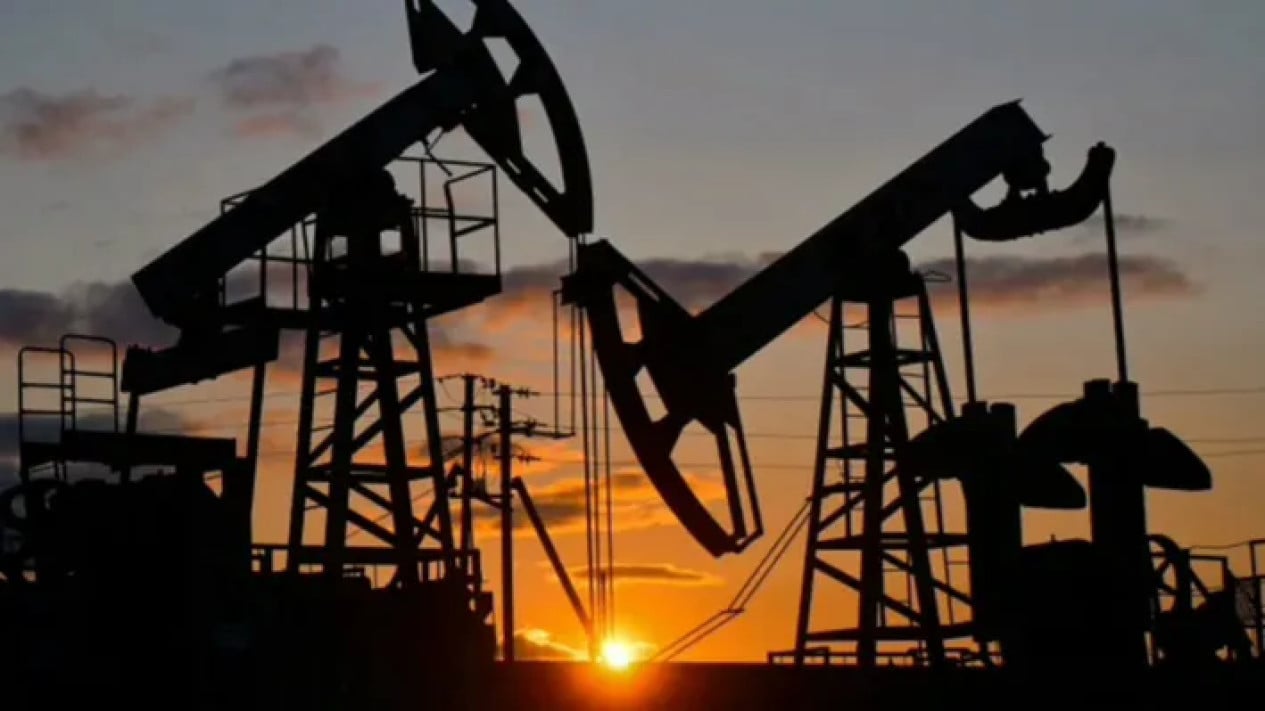
Geopolitical tensions in the Middle East are once again drawing attention to fluctuations in global oil prices. The conflict involving the United States and Iran is putting pressure on energy markets, with the potential for significant price spikes remaining wide open through 2026.
Although prices eased somewhat after a ceasefire was announced, uncertainty on the ground continues to make market participants cautious. Strategic energy distribution routes, such as the Strait of Hormuz, are a crucial factor influencing current global oil price movements.
A CNBC report states that the price of West Texas Intermediate (WTI) crude oil is not expected to have peaked this year. Traders on the Kalshi prediction market platform even see a high likelihood of further price surges in the coming months.
Based on these projections, there is more than a 50 per cent chance that oil prices will reach nearly US$127 per barrel, equivalent to Rp2,159,000 per barrel. This figure far exceeds the previous all-time closing high of around US$113 per barrel, or approximately Rp1,921,000 per barrel, in early April.
Additionally, the chances of prices breaking US$120 per barrel, or about Rp2,040,000, are also substantial, with estimates reaching 63 per cent.
Currently, oil prices remain above US$100 per barrel, or around Rp1,700,000. Brent crude even hit a new post-conflict high. However, prices experienced a correction after Iran submitted a latest peace proposal to the United States.
Nevertheless, uncertainty still looms over the market. To date, there is no clarity regarding the reopening of the Strait of Hormuz or the possibility of ending the US sea blockade.
This situation has caused some of the post-ceasefire oil price declines to reverse upwards. Interestingly, market expectations for extreme scenarios have begun to wane.
In early April, before the ceasefire was announced, the chances of oil prices exceeding US$150 per barrel, equivalent to Rp2,550,000, were estimated at more than 50 per cent. Now, that probability has dropped to around 26 per cent.
This decline indicates that market participants are adjusting their expectations in line with geopolitical developments. However, as long as the conflict has not fully subsided, oil price volatility is expected to remain high.