
Global Oil Prices Break US$100, Economist: Fuel Price Hike a Rational Step to Safeguard the State Budget
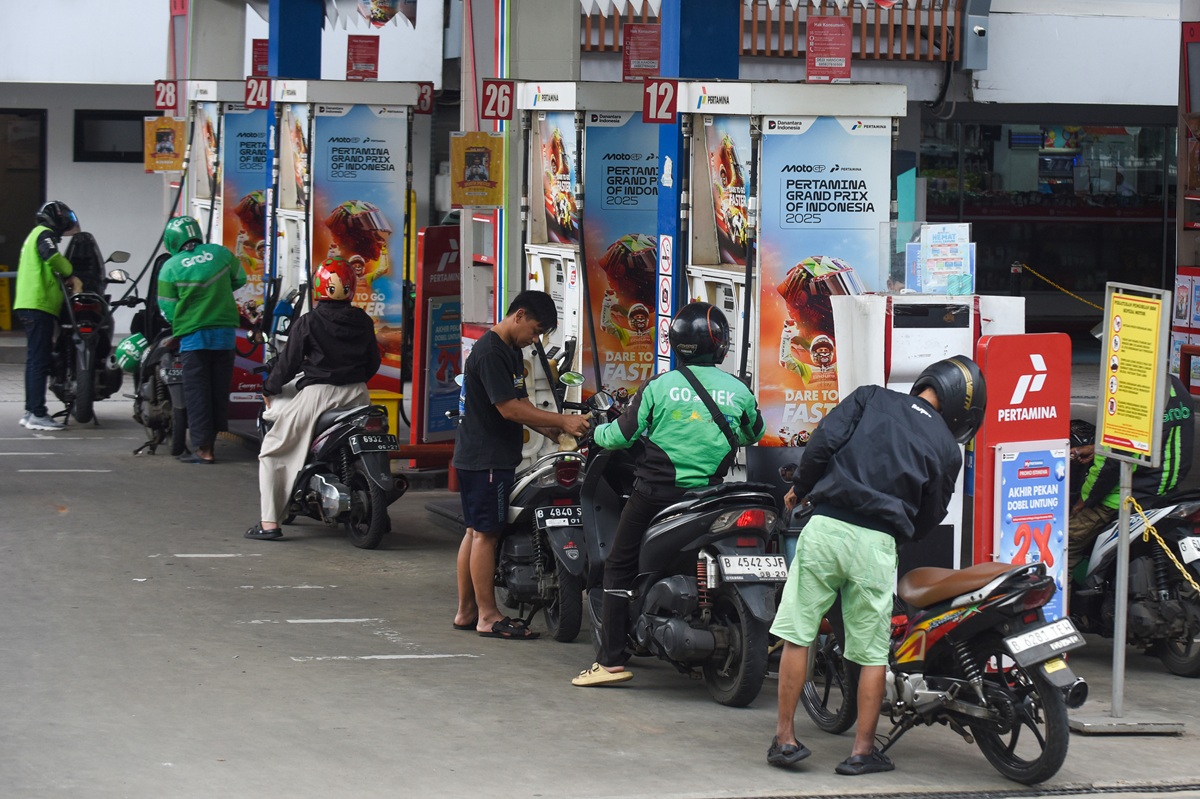
The surge in global crude oil prices due to geopolitical conflicts in the Middle East makes it difficult to avoid adjusting domestic Fuel Oil (BBM) prices. Economist from the State University of Surabaya (Unesa), Hendry Cahyono, views the current fuel price increase as a rational step to maintain fiscal stability and prevent the state revenue and expenditure budget (APBN) deficit from swelling further.
Hendry explained that global oil prices now have the potential to exceed US$100 per barrel. This figure far surpasses the Indonesia Crude Price (ICP) assumption in the 2026 APBN, set at US$70 per barrel.
“The current geopolitical situation places the government in a difficult dilemma. Holding prices risks fiscal discipline, while raising them risks inflation. However, allowing subsidies to soar without adjustment would severely endanger the APBN,” Hendry stated in his comments on Friday (27/3/2026).
Based on his analysis, every US$1 per barrel increase in ICP could add up to Rp10.3 trillion in energy subsidy and compensation burdens. If the government holds prices amid the global surge, the APBN deficit risks exceeding the safe limit of 3% of Gross Domestic Product (GDP).
Hendry outlined two scenarios for price increases if global oil prices range between US$85–92 per barrel. Pertalite is estimated to rise 5-10% to Rp10,500–Rp11,000 per litre (from Rp10,000). Subsidised Solar is estimated to rise to Rp7,150–Rp7,500 per litre (from Rp6,800).
However, if global oil prices remain above US$100 per barrel for an extended period, Pertalite prices could reach Rp12,000 per litre and Solar up to Rp8,200 per litre. “Without adjustments at this level, the APBN deficit could widen to 3.6% of GDP,” he added.
Although deemed fiscally rational, Hendry reminded the government of the threat of stagflation, a condition where high inflation occurs alongside slowing economic growth. Fuel price hikes will directly erode public purchasing power if not accompanied by strong social safety nets.
“The government must prepare targeted social safety nets. Price increases without compensation will burden the public as incomes remain stagnant while expenditures rise,” Hendry emphasised.